
Bone Loss on a GLP-1: What Lifting Does
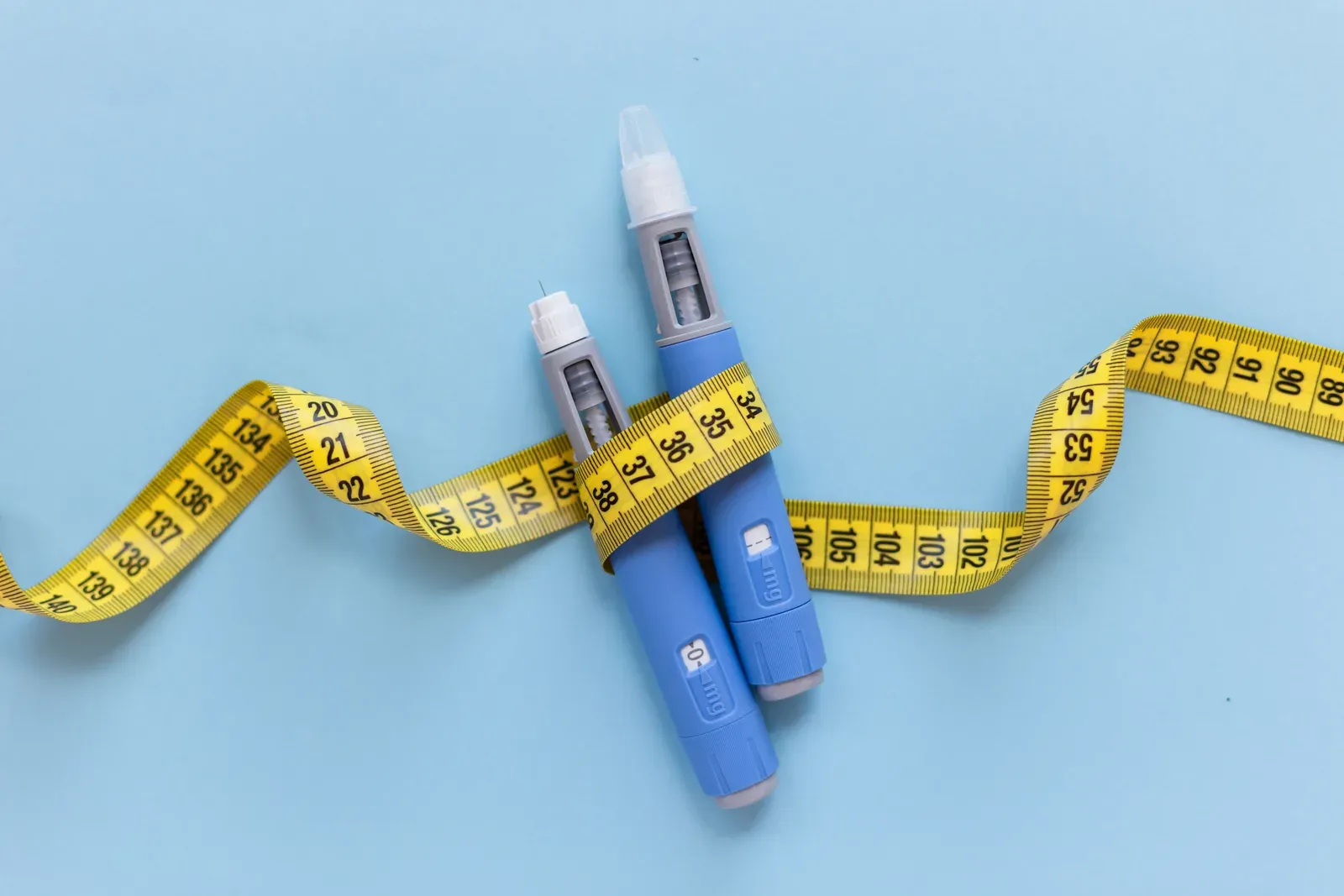
Rapid weight loss on a GLP-1 medication can cost some bone along with the fat, which is why the conversation starts with your prescriber, not a trainer: they decide whether a baseline bone density scan makes sense for you, and they own every question about the medication itself. What a coach controls is the mechanical side, and it is a bigger lever than most people expect: progressive strength training puts a load back on the skeleton that the lost body weight no longer supplies, and loading is the signal bone listens to. At FlexWerk in Carmel, that work happens through GLP-1 aware personal training built alongside your clinical team’s guidance.
Why weight loss and bone move together
Bone thins during fast weight loss for three reasons that have nothing to do with which medication is involved. First, body weight is itself a load: every step, stair and rise from a chair presses your hips and spine with your full mass, and a body 40 pounds lighter asks less of its skeleton with every movement. Second, a steep calorie deficit tends to drag protein, calcium and overall intake down with it, and bone is built from what you eat. Third, the pace matters; research on dieting and bariatric surgery has long linked faster loss with larger drops in bone density, and the early research on GLP-1 medications is being read through that lens. The evidence specific to these medications is still developing, so treat this as a known risk of rapid weight loss generally rather than a settled verdict on any one drug.
Who should take it most seriously: postmenopausal women, adults past 60, anyone with a previous low-density scan or a fracture history, and anyone losing weight very quickly. That list is exactly why the prescriber conversation comes first.
Questions to ask your prescriber before you start loading
Bring these to your next appointment; the answers shape the program.
- Should I have a bone density scan before or during this weight loss, and when would you repeat it?
- Do you want me to hold protein, calcium or vitamin D at a particular level, and is that a diet change or a supplement conversation?
- Is there any reason I should avoid impact work like hopping, jogging intervals or step-downs?
- Are there movements you would rule out for my spine or hips given my history?
- If my pace of loss is faster than you expected, is that something you want to hear about?
A coach does not order scans, interpret them or advise on supplements. A coach builds the training inside whatever comes back.
What loading does that the medication cannot
Lifting replaces the load your lost weight removed, and it does so more precisely than body weight ever did. Bone adapts to strain that is meaningful and a little unfamiliar, which is exactly what a progressive program supplies: squats and hinges that load the hips and spine through the muscles attached to them, presses and rows that pull on the upper body, loaded carries that make the whole skeleton bear weight while walking. Two or three sessions a week is the standard dose, and “progressive” is the working word, because the same weight repeated for months stops being a signal.
Where your prescriber clears it, gentle impact is the second ingredient: brisk step-downs from a low box, short jogging intervals, small hops. Where it is not cleared, the program simply stays with the loaded patterns, which still do most of the work. The deeper science, and what an osteopenia-aware plan looks like once a diagnosis exists, sits in the strength training for bone density guide; this page is about the window while the weight is coming off.
Protein belongs in the same sentence. Bone needs the raw material as well as the signal, and appetite on a GLP-1 medication tends to shrink protein first. The targets a coach uses are laid out in how much protein you need on a GLP-1, and any medical condition that changes those numbers is a prescriber or dietitian call.
How to tell the plan is working
Bone density itself is measured only by the scan your physician orders, on their schedule, and no coach can promise a scan result. What a coach can watch between scans are the companion signals: skeletal muscle mass holding steady on an InBody re-test while fat drops, loads climbing in the training log, and balance and leg strength improving, which is the other half of fracture risk anyway. The free consultation at FlexWerk’s Carmel City Center suites includes that InBody baseline, so the muscle side of the story has a number from week one.
If you are past 60 and starting a GLP-1 medication under the Medicare coverage that arrived in 2026, the muscle question runs alongside the bone question, and it has its own page: muscle loss on a GLP-1 after 60.
Ask your prescriber the five questions above, then bring the answers to a free consultation and let a coach put the load back on your skeleton while the medication takes the weight off.
Related questions
Do GLP-1 medications cause bone loss directly?
The research specific to these medications is still developing. What is well established is that fast weight loss from any cause, including diet and bariatric surgery, tends to reduce bone density, so the sensible response is to treat it as a known risk of rapid loss and ask your prescriber whether a baseline scan makes sense for you.
Is walking enough to protect my bones while I lose weight?
Walking helps, but a lighter body walking is a smaller load than it used to be, which is part of the problem. Progressive resistance training and, where cleared, a little impact are what put meaningful strain back on the skeleton.
Can my coach see my bone density on the InBody scan?
No. InBody measures body composition, mainly muscle, fat and water, not bone density. It is useful as a companion signal because muscle and bone tend to move together, but the bone number itself comes only from the scan your physician orders.