
How Much Protein Do You Need on a GLP-1?
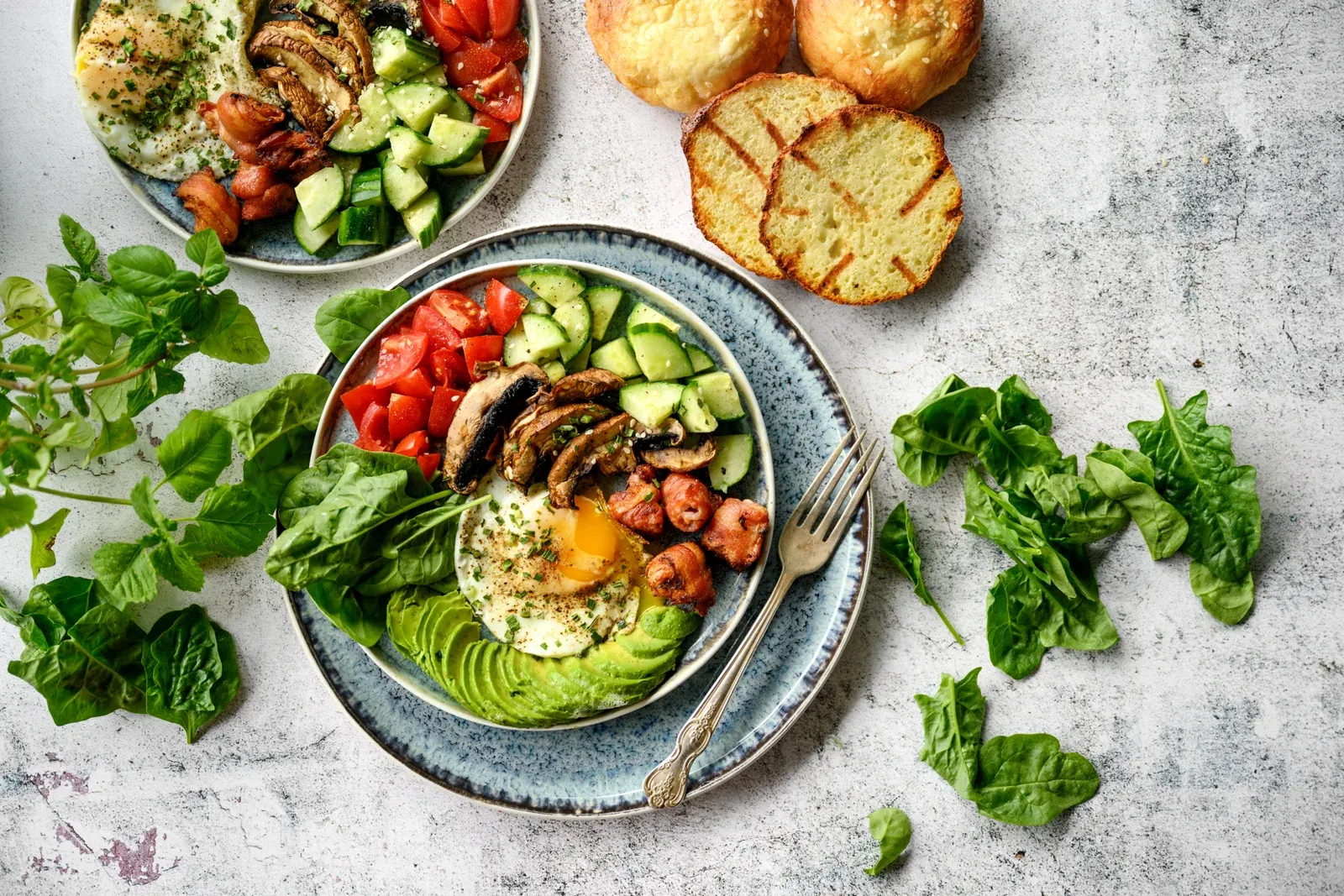
A widely used coaching target on a GLP-1 medication is 0.7 to 1 gram of protein per pound of goal body weight per day, split across three or four smaller meals with protein eaten first, because your appetite will usually cap out long before your protein needs do. For someone with a goal weight of 150 pounds, that is roughly 105 to 150 grams a day. The medication itself, including dosing and how it is affecting your appetite, stays between you and your prescriber; the protein habit is the part you and a coach control.
Why protein needs go up while appetite goes down
Because on a GLP-1 you are losing weight quickly, and without enough protein and strength work, a meaningful share of that loss commonly comes from muscle rather than fat. Protein is the raw material for keeping muscle; resistance training is the signal to keep it. Miss either one and the scale still falls, but you arrive at your goal weight weaker, with a slower resting metabolism and worse odds of keeping the result.
The cruel twist is that the medication that makes fat loss easier also makes protein harder: smaller appetite, earlier fullness, sometimes food aversions. That is why the target needs to be deliberate rather than intuitive. At FlexWerk, coaches set it at the free consultation, against an InBody body-composition baseline, so the number is tied to your actual muscle mass and goal rather than a generic chart.
What the target looks like in real food
Hitting 100-plus grams on a small appetite is a density game. A realistic day for a 150-pound goal weight looks like this:
- Breakfast, about 35 g: two eggs plus a cup of cottage cheese or Greek yogurt.
- Lunch, about 40 g: a generous chicken breast over a salad, or tuna with white beans.
- Dinner, about 40 g: salmon or lean beef with vegetables, protein portion first.
- Snack, about 20 g: Greek yogurt, a protein shake, or jerky.
Notice what is missing: enormous portions. Every meal is normal-sized but protein-led. For a Carmel professional whose day starts with a commute averaging around 26 minutes and ends with kids’ practice at Grand Park, the practical move is deciding these four slots in advance, because a protein target left to improvisation loses to a small appetite every time.
The rules that survive early fullness
When fullness arrives fast, ordering and density decide whether you hit the number:
- Protein first on the plate, always. Eat the chicken before the rice, the eggs before the toast. If fullness cuts the meal short, it cuts carbs, not protein.
- Choose dense sources. Eggs, fish, lean meats, cottage cheese, and Greek yogurt deliver the most protein per bite. Salads and soups are honest foods but terrible protein vehicles on a capped appetite.
- Drink between meals, not during. Fluids take up room you need for food when appetite is small.
- Use shakes as a bridge, not a diet. One or two a day fills gaps on rough days; the fuller answer to that question lives in do I need protein shakes.
None of this requires perfection. A day at 80 percent of target with the lifting done still moves you forward; a week of not tracking at all is what quietly costs muscle. If tracking every gram sounds exhausting, count only protein and only for two weeks; most people internalize the portions quickly and can eyeball it afterward.
How to know the protein plan is working
Weigh the evidence every few weeks, not every morning. The scale will fall on a GLP-1 almost regardless; the question is what the loss is made of, and only body-composition data answers it. An InBody re-test every four to six weeks should show fat dropping while skeletal muscle holds close to steady, and that combination means the protein and training are doing their jobs.
Day to day, watch the quieter signals: strength holding in your sessions, energy stable instead of sliding, hunger manageable rather than absent. If muscle is slipping on the re-tests despite honest effort, the fix is usually mechanical rather than dramatic: stricter protein-first ordering, denser food choices, an added shake, or one more weekly lifting session.
Where your prescriber and a dietitian come in
Two boundaries keep this safe. First, medical conditions change the math: kidney disease in particular makes protein targets a clinical decision, so confirm your number with your prescriber or a registered dietitian if you have any condition that could be affected. Second, if nausea or food aversion is so strong that you cannot get near the target for more than a few days, that is information your prescriber wants, not a problem to muscle through with willpower.
A trainer’s lane here is habits and structure: setting the target with you, building the food routine around your real schedule, and pairing it with the two or three weekly strength sessions that make the protein useful. That pairing is the whole play, and it is laid out in training for muscle retention on a GLP-1.
Protein is the least glamorous part of a GLP-1 journey and probably the most decisive. If you would rather set the target once, with a coach, against a real body-composition baseline, the free consultation at FlexWerk in Carmel City Center takes about as long as a lunch break and includes the InBody scan free.
Related questions
Can I just drink protein shakes to hit my target on a GLP-1?
Shakes are a useful gap-filler when appetite is small, and one or two a day is common. Whole food should still carry most of the load, because it brings micronutrients and builds the eating habits you will rely on later.
Does my protein target change when my dose changes?
The target stays tied to your goal body weight, but appetite often dips after dose adjustments, which are prescriber territory. On those weeks, lean harder on dense, easy proteins like Greek yogurt, eggs, and shakes.
Who should confirm a protein target with a professional?
Anyone with kidney disease or another medical condition should confirm targets with their prescriber or a registered dietitian before committing. That is a medical call, not a coaching one.