
Skinny Fat After a GLP-1: The Rebuild Plan
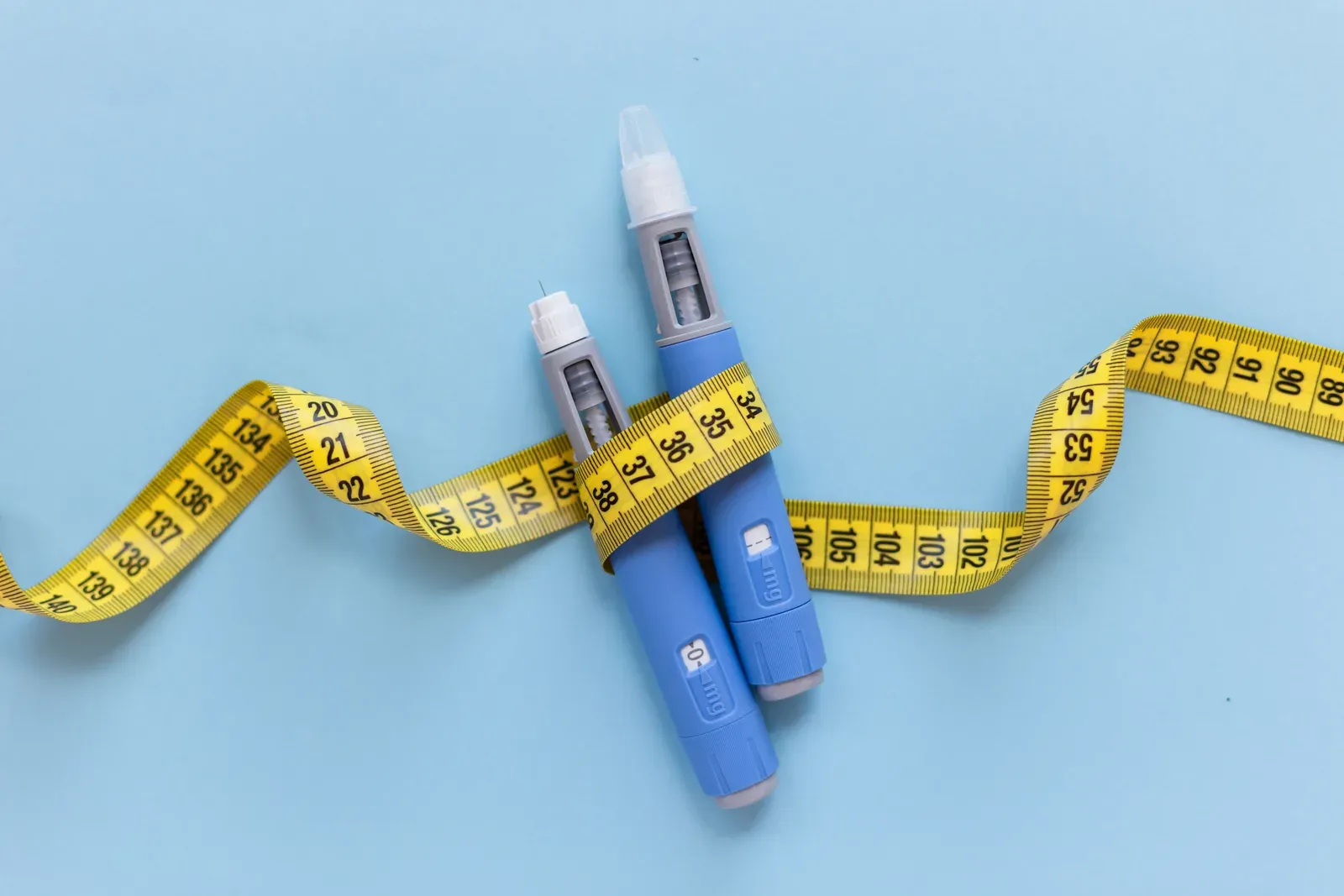
Feeling “skinny fat” after a GLP-1 medication is common enough to have a pattern, and because changing how you eat while on the medication touches appetite, your prescriber should hear about the plan before you start it. Skinny fat means the scale reached its goal but the body underneath is low on muscle and still carries a high body fat percentage, and the fix is a rebuild, not another cut: progressive lifting three days a week, eating at maintenance rather than in a deficit, and months of patience while muscle returns. FlexWerk’s GLP-1 personal training in Carmel runs exactly that phase, with the InBody scan making the rebuild visible.
What skinny fat looks like on a body composition report
It is a normal weight with an abnormal mix. On an InBody printout the pattern is unmistakable: total weight inside the healthy range, skeletal muscle mass below the reference band, body fat percentage above it, and often a visceral fat level that has come down less than the scale suggested it would. The mirror version is softness where you expected definition, arms and legs that look smaller but not firmer, and clothes that fit differently than the number promised.
The reason it feels like a betrayal is that every goal was set in pounds. Pounds were reached. The composition of those pounds was never part of the plan, and composition is what the mirror sees. If you want to know where you actually stand, the free consultation at FlexWerk includes the scan, and the numbers usually explain the frustration in about a minute.
Why the medication phase produced it
Rapid loss with no resistance signal takes muscle along with fat. When appetite drops steeply, the body sheds whatever tissue it is not being asked to keep, and without lifting, a meaningful share of what leaves is lean mass. Protein usually falls short in the same window, because a small appetite cuts protein first, which removes the raw material for holding muscle even when the will is there. Add months of that and you arrive at goal weight with less muscle than you started with and a body fat percentage that barely moved.
None of this is a failure of the medication or of you. It is what a deficit does when nothing tells the body which tissue to burn. The good news is that the process runs in reverse just as reliably.
The rebuild plan, phase by phase
Rebuilding follows an order, and skipping steps is why people quit at week six.
- Weeks one to four: learn the lifts. Three sessions a week built on squat, hinge, push, pull and carry, at loads light enough to own the technique. The goal is a clean movement library, not soreness.
- Months two and three: progress the load. Add a little weight or a rep most weeks, working in the six to twelve rep range, with the legs, glutes, back and shoulders getting the most volume because that is where muscle shows first.
- Eat to build. Maintenance-level intake with protein at roughly 0.7 to 1 gram per pound of goal weight, split across meals; the food specifics live in how much protein you need on a GLP-1.
- Re-test, do not stare. An InBody scan every six to eight weeks should show skeletal muscle mass climbing while fat holds or drifts down. That is the scoreboard; the mirror lags it by months.
- Sleep like it is part of the program. Muscle is built between sessions, and a rebuild on five hours of sleep is a rebuild that stalls.
Visible change typically shows across three to six months of consistent work. If low energy makes three sessions feel impossible some weeks, the scaled versions in working out with GLP-1 fatigue keep the streak alive without the full volume.
Questions for your prescriber before you change how you eat
- I am planning to stop losing and eat at maintenance to rebuild muscle. Does that change anything about my medication plan?
- If my appetite makes maintenance eating hard, what do you want me to do?
- Is there a reason to keep my weight where it is, or is a few pounds of muscle gain fine with you?
- Are there any medical conditions or medications that should shape my protein target?
- How often do you want to see me while I am rebuilding?
Medication decisions, including whether and how it continues, are entirely theirs. A coach’s questions to you stay in the training lane: sleep, energy, appetite trend and how the last session felt.
How to read the scale during a rebuild
Expect it to rise a little, and treat that as the plan working. Muscle is denser than fat and carries water, so a successful rebuild can add a few pounds while clothes fit better and the body fat percentage falls. People who panic at that point and cut calories again are the ones who stay skinny fat for years. The wider logic of building muscle while holding fat steady is the whole subject of body recomposition, and it applies here without modification.
If your goal weight arrived without the body you pictured, the missing piece is the rebuild, and a coach in a private Carmel City Center suite can start it the same week your prescriber signs off.
Related questions
Should I keep losing weight until the softness goes away?
Usually not. Skinny fat is a muscle shortage more than a fat surplus, and cutting further tends to take more muscle with it. Most people do better holding weight steady and rebuilding lean mass, which lowers body fat percentage without lowering the scale much. Confirm the change in eating with your prescriber first.
How long does a rebuild after a GLP-1 take?
Measurable muscle gain shows on a body composition scan within a couple of months of consistent lifting and protein; the visible version typically takes three to six months. Nobody can promise a date, and the people who get there are the ones who kept training through the stretch where the mirror had not caught up yet.
Can I rebuild muscle while still taking the medication?
Many people do, with their prescriber's knowledge. The training side does not change; the eating side needs enough intake to build, which can take planning on a smaller appetite. Anything about the medication itself, including whether it continues, stays with your prescriber.