
Can a Trainer Help With Muscle Retention on GLP-1 Medications?
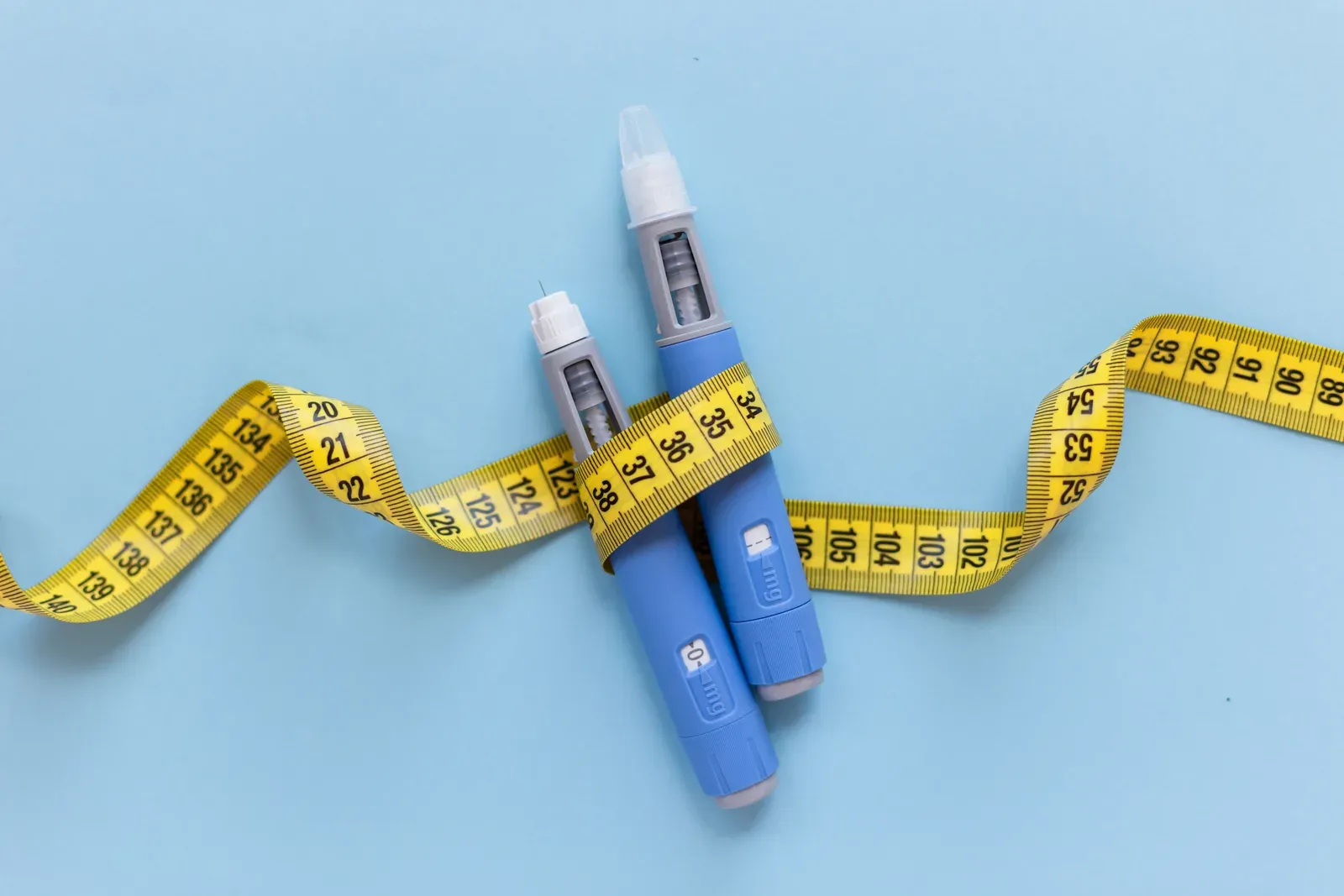
Yes, and this may be the single clearest use case for hiring a coach right now. During the rapid weight loss GLP-1 medications can produce, a meaningful share of what’s lost commonly comes from lean mass, not just fat, and progressive resistance training paired with protein-focused eating is the widely recommended playbook for keeping the muscle while the fat goes. That playbook is exactly what a trainer builds and holds you to. The medication itself, dosing, side effects, whether it’s right for you, stays entirely with your prescribing physician.
Why muscle retention is the issue on GLP-1s
These medications work substantially by reducing appetite, and when overall intake drops steeply, the body doesn’t burn fat exclusively, without a countervailing signal, it sheds lean tissue too. That’s true of any rapid weight loss; GLP-1s simply make rapid loss achievable for many more people, which makes the muscle question urgent for many more people.
Why it matters beyond vanity: muscle is the engine of strength and everyday capability, a major driver of resting metabolism, and, especially past 40, something that’s much harder to rebuild than to keep. Lose a lot of it on the way down and you can arrive at your goal weight feeling weaker and looking softer than the number promised, with a body that’s easier to regain weight into. The good news is equally clear: the countervailing signal that tells your body keep the muscle, burn the fat is well understood. It’s resistance training plus adequate protein.
Timing amplifies the stakes. The medication era has produced a wave of people arriving at goal weights faster than any previous generation of dieters, and discovering that “goal weight” and “goal body” are different destinations. The travelers who arrive happy are overwhelmingly the ones who lifted on the way down.
The playbook a coach runs
Nothing exotic, the power is in the consistency:
- Progressive resistance training, two to three sessions a week. Full-body, compound-first strength work is the commonly recommended pattern. “Progressive” is the key word: the gradual challenge is the retention signal. If you’re worried lifting will make you bulky while losing weight, it won’t, retention, not growth, is the realistic and desirable outcome in a steep deficit.
- Protein made non-negotiable. Reduced appetite makes protein the first casualty of smaller meals, so a coach makes it the organizing principle instead, habit coaching territory, as covered in what trainers do about nutrition, with anything clinical routed to a dietitian or your physician.
- Easy activity between sessions. Walking and light cardio support the fat-loss side without draining the recovery the strength work needs.
- Sessions dosed to your actual energy. Appetite and energy fluctuate on these medications; a coach adjusts load session by session, which is precisely what a static workout PDF can’t do.
If two or three sessions sounds like a lot on reduced energy, note that these are short, focused strength sessions, not marathon workouts, and the dose adjusts weekly to what your body is actually offering.
Measure it, don’t guess it
Here’s where coaching becomes more than encouragement: on a GLP-1, the bathroom scale is the least informative number in the house. It falls no matter what, the entire question is what is falling, and only body-composition measurement answers it.
This is why the process at FlexWerk starts with a free InBody body-composition scan at the free consultation and re-tests as you go. Fat mass down while lean mass holds: the plan is working, keep going. Lean mass sliding: the data says so early, and training or protein gets adjusted now rather than discovered at goal weight. Those same reports are worth bringing to your physician visits, objective composition data is useful input for the medical side of your care too. If you’re also wondering what pace of total loss is sensible to plan around, the honest 20-pound timeline applies with the same logic. Re-test cadence is worth agreeing on up front, regular enough to catch drift, spaced enough to show real change.
Where coaching stops and your physician begins
Clear lines, because they protect you. Everything about the medication, starting, stopping, dosing, side effects, nausea management, how long to stay on, what happens after, belongs to your prescriber. A trainer should never advise on any of it, and you should hear exactly that from any coach worth hiring. What a coach does own: the training program, the habit scaffolding, the measurement cadence, and the accountability that keeps all three happening during the months the medication is doing its work.
The best setup is collaborative, your physician managing the prescription, your coach running the retention playbook, and body-composition data flowing to both. And the private one-on-one setting helps more than people expect: a FlexWerk suite is a door away from the gym floor, which makes the honest conversations, about appetite, energy, side-effect days, normal instead of mortifying. That privacy matters more on this journey than most: rapid body change draws commentary in public gyms, and plenty of GLP-1 clients simply don’t want an audience for any stage of it.
If you’re on a GLP-1 or starting one, the muscle-retention window is now, not after the weight is off. Book the free consultation, get the baseline scan, and put the playbook in place while it can still protect everything you’d otherwise lose. Muscle kept is cheap; muscle rebuilt is expensive, start on the right side of that trade.
Related questions
Why does muscle loss matter if my goal is just to weigh less?
Because muscle is what makes the lighter body strong, capable, and metabolically healthy, and what shapes how the weight loss actually looks. Losing it makes regain easier and the result less durable.
How often should I strength train while on a GLP-1?
Two to three progressive resistance sessions a week is the commonly recommended pattern, paired with protein-focused eating. Your coach will set the specifics around your energy levels and your physician's guidance.
Should my trainer and doctor be on the same page?
Yes. Medication decisions, dosing, and side effects belong entirely with your prescriber, and a good coach programs around your physician's guidance and encourages that conversation rather than substituting for it.