
Sports Performance Training for Zionsville Athletes: The Case for One-on-One
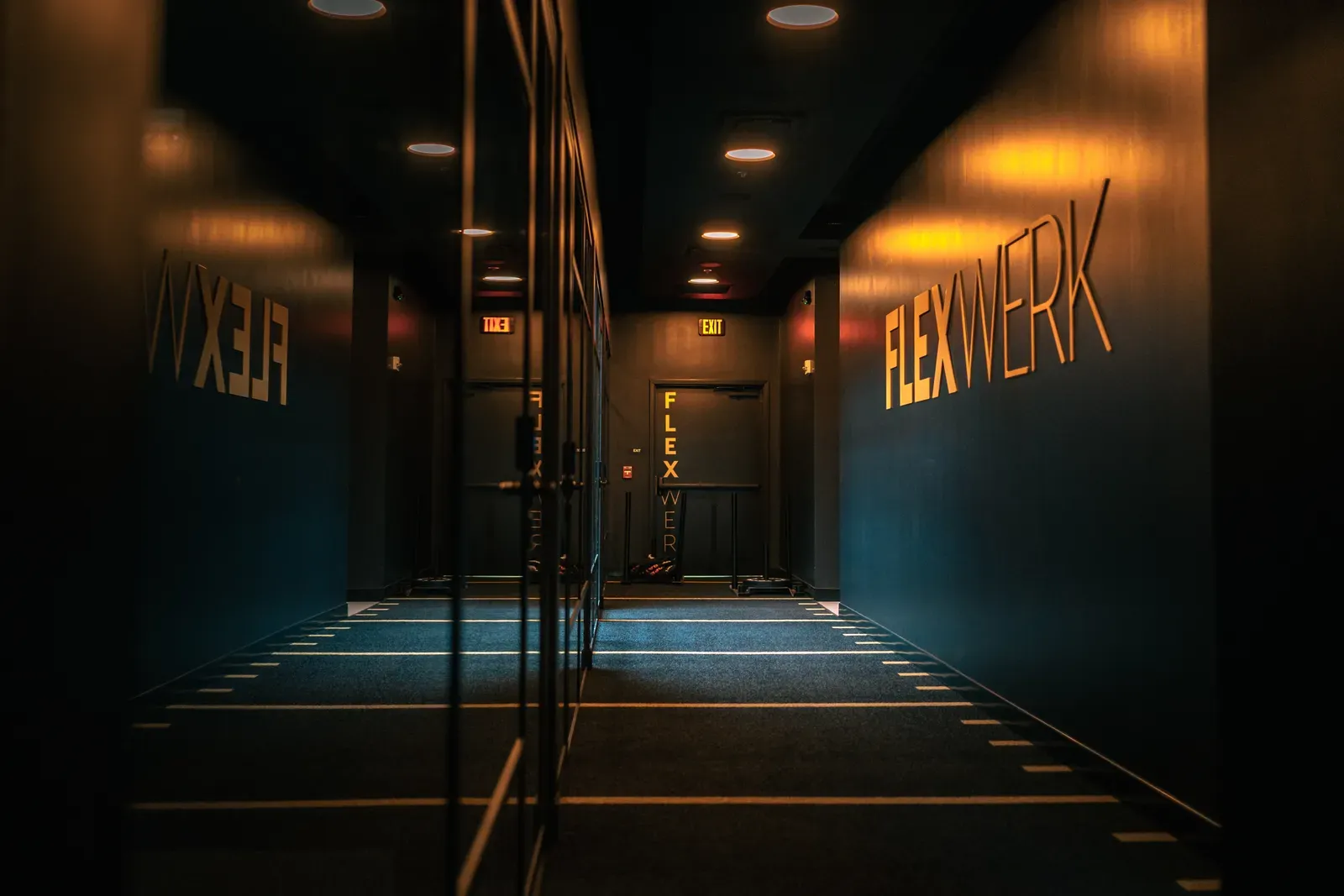
Zionsville athletes rarely lack effort or opportunity; what most never get is development built around one athlete: an individual assessment, a program aimed at their specific weak links, and technique coached rep by rep. That format exists about 15 to 20 minutes east of town, where personal training for Zionsville runs one-on-one in reserved private suites at Carmel City Center. Here is what individual development actually adds, and how to tell whether your athlete needs it.
Team programs build the team. Who builds the athlete?
School and club programs are written for the roster, not the individual, and that is not a criticism: one strength coach cannot watch forty sets of knees at once. The result is predictable. The athletes who already move well get stronger, and the athletes with a specific limiter, a slow first step, a shaky landing, no strength base at all, keep training around the problem instead of through it.
Individual development flips the order. First find what limits this athlete, then build the qualities their sport rewards: maximal strength as the foundation, speed as force delivered into the ground, power and elasticity for jumping and cutting, movement quality so force transfers without injury, and the work capacity to hold it all late in a game. A midfielder who cannot decelerate and a swimmer with no dry-land strength need different programs. Group settings cannot make that distinction. A coach with one athlete in the room can.
Assessment before programming, every time
Any performance engagement worth paying for starts with measurement, not workouts. At FlexWerk that means a free consultation with a free InBody body composition scan, a movement and training-history conversation, and honest goal setting with the athlete and, for minors, the parent in the room. FlexConnect then matches the athlete to a coach by sport, goals, schedule, and personality from among more than 40 independent professionals, so a volleyball player lands with someone who develops jumpers, not a generalist with a spare hour.
The baseline matters for a second reason: proof. Re-tests every training block show strength up, jump height up, sprint mechanics cleaner, body composition moving the right way. When a program can show its work, the question of whether training is helping stops being a matter of opinion, a standard covered in depth in the Carmel sports performance guide.
Why a private room accelerates skill work
Speed, landing mechanics, and barbell technique are motor skills, and motor skills improve fastest with immediate, individual correction. A reserved private suite is built for exactly that loop. The room holds a rack, cable system, and dumbbells with nobody waiting on equipment, and the space is deliberately filming-friendly: a coach can capture a sprint drill or a landing on video, review it with the athlete on the monitor thirty seconds later, and rebuild the pattern on the next rep. That feedback cycle simply does not happen on a crowded floor.
There is a quieter benefit for teenagers: no audience. A 14-year-old learning to hinge does it without performing for a gym full of adults, which is where technique and confidence both improve faster than parents expect. The long-view philosophy for that age group lives in our youth athlete development guide.
Built for the northern-suburbs sports calendar
Around Indianapolis’s northern suburbs, youth sport is effectively year-round. Grand Park alone, a short hop from this corner of the metro, runs 400 acres and around 1.5 million visitors a year, and club calendars now leave many athletes with no true off-season at all. That environment produces terrific players, and it produces overuse, because year-round competition with no general strength underneath is the classic recipe for the injuries that end seasons.
One-on-one development treats durability as a first-class goal: build the strength and landing mechanics that let a young body absorb a competitive season, then periodize honestly, pushing in the off-season and maintaining in-season instead of grinding at one intensity all year. Two honest caveats belong here. No program can injury-proof an athlete, and any athlete returning from injury should be cleared by their physician or physical therapist first; a good coach coordinates with that guidance rather than replacing it.
The drive from Zionsville, and who should skip this
From most Zionsville addresses the trip runs about 15 to 20 minutes east, along 116th Street or Sycamore and Main into Carmel, no interstate required. Sessions are booked appointments, so training fits around practice rather than competing with it: weekday hours run 5 AM to 9 PM, weekends 7 AM to 4 PM, and garage parking sits a short walk from the door for the parent taxi shift. Plenty of families fold sessions into trips they were already making toward Carmel.
Honesty about fit: if your athlete mainly needs conditioning, team energy, and time with friends, their school or club program plus a group setting covers it, and paying for individual coaching would be solving a problem they do not have. One-on-one work earns the drive when there is a specific gap, a specific goal, or a season that matters, and when technique deserves an expert pair of eyes every rep.
If that describes your athlete, start where every good program starts: a free consultation with a baseline scan, a conversation about the sport calendar, and a coach whose specialty matches the job.
Related questions
What ages does one-on-one performance training suit?
Middle school athletes through college players and competitive adults. The consultation matches age, sport, and training history to a coach who actually specializes in that stage, which matters more than any single drill.
Will private sessions conflict with my athlete's team lifting?
They should not. A good performance coach asks for the team program first, then fills the gaps around it, keeping total load sane instead of stacking two full programs on one body.
How many sessions a week does an athlete need?
Two focused sessions is the common off-season rhythm, dropping to one maintenance session in-season. The sport calendar decides, and the coach programs around it rather than against it.