
Golf Fitness Training for Zionsville Golfers: Speed You Keep All Season
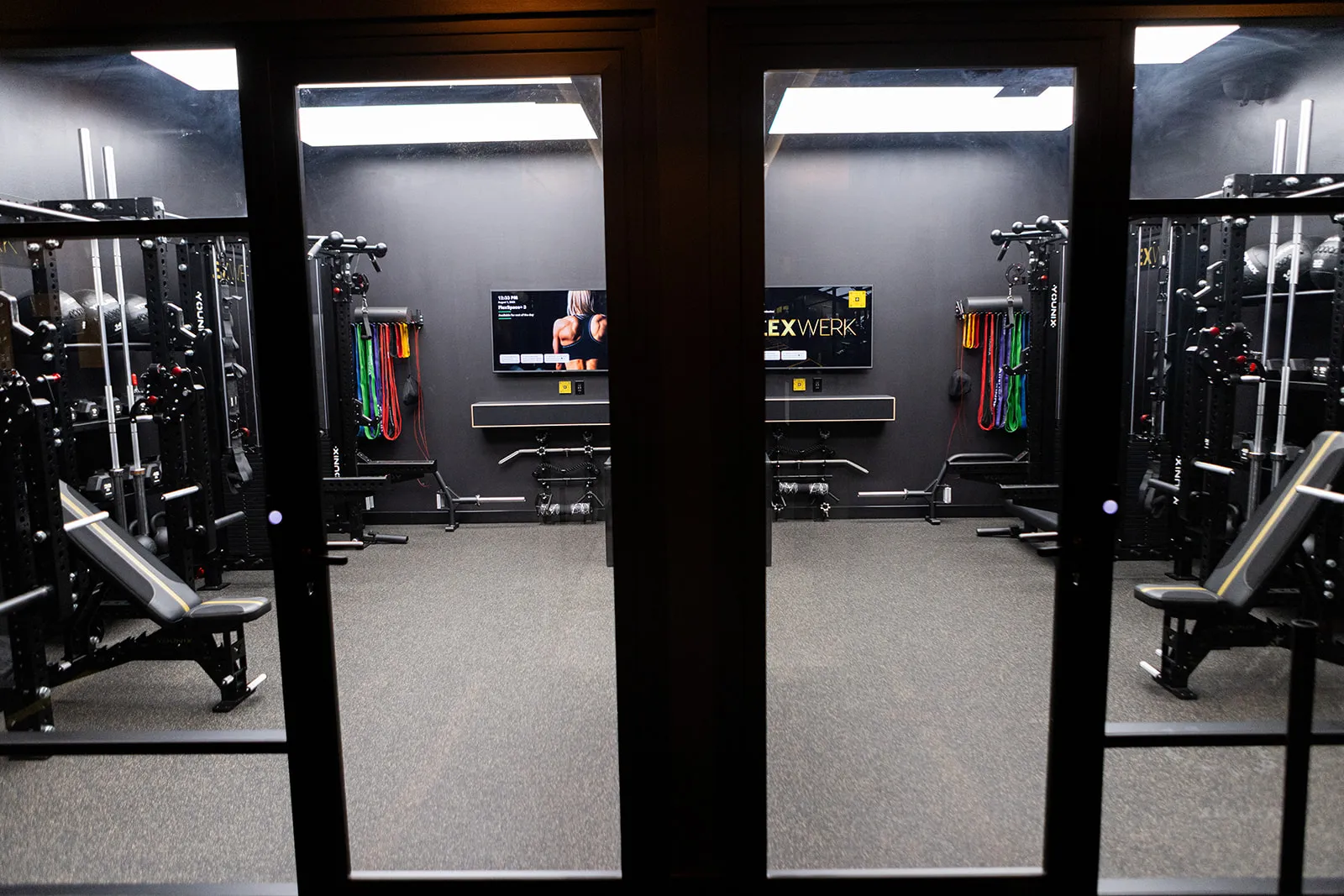
The fastest way for most Zionsville golfers to gain distance is not a new driver or another lesson; it is adding strength and rotational speed to a body that has never trained either. Clubhead speed is a physical quality before it is a technical one, and it is coached one-on-one about 15 to 20 minutes east of town, where a personal trainer serving Zionsville programs it in a private suite at Carmel City Center. Here is what actually moves the number, and why winter is the best time to start.
Distance loss is a strength problem before it is a swing problem
Golfers tend to blame technique for shrinking drives, but the pattern is usually physical. Rotational power peaks early in adulthood and declines steadily unless trained, hip and thoracic mobility tighten with desk years, and the legs quietly lose the force that starts every swing. The result: the same swing produces less speed each season, and no amount of range time reverses it, because range time practices the pattern without rebuilding the engine.
The honest framing matters. Training will not fix an over-the-top move, and a free consultation here starts with an assessment, not a promise: an InBody body composition scan, a mobility screen, and a candid conversation about what strength work can and cannot do for your game. Golfers over 50 chasing distance specifically should read our guide to adding driving distance after 50, which walks the same logic in detail.
Rotation is built from the ground up
A powerful swing is a sequence: legs push into the ground, hips fire, torso follows, club releases last. Gym work for golf trains that chain in order rather than chasing gimmicks.
- Lower-body strength. Squat, hinge, and single-leg patterns build the ground force that starts the chain. This is where most amateur speed hides.
- Hip and thoracic mobility. You cannot rotate through a range you do not own. Mobility work restores backswing turn without forcing the low back to donate it.
- Rotational power. Medicine ball throws, cable rotations, and split-stance work teach the body to deliver force fast and in sequence.
- Anti-rotation core strength. The trunk’s job is transferring force, not leaking it, and it is also the low back’s first line of protection.
One-on-one coaching matters here because rotational training is technique-dense. In a reserved private suite with a rack, cables, and a monitor for video review, a coach corrects positions rep by rep, with no one waiting on the equipment and no gym-floor audience while you learn.
The Indiana offseason is your advantage
Zionsville’s golf season has a hard boundary: January’s average high sits around 33 degrees, and the clubs go quiet for months. Most golfers treat that as lost time. Trained golfers treat it as the build phase, because the offseason is the only window where you can push strength hard without worrying about tomorrow’s tee time.
A sensible year looks like this: November through February, two strength sessions a week focused on force and mobility; March, shift toward speed and rotational power as the season approaches; April onward, one maintenance session a week so the gains survive the season instead of evaporating by July. The full winter blueprint lives in our golf offseason workout guide, and it pairs cleanly with indoor simulator time: you keep the pattern sharp at the screen while the gym rebuilds the engine behind it.
In practice a winter week is modest: a Tuesday hour built around a squat or hinge, single-leg work, and thoracic mobility, then a Friday hour of pressing, pulling, medicine ball throws, and trunk work. Two hours, held for sixteen weeks, is more physical development than most golfers accumulate in a decade of range sessions, and the hours are booked appointments, so an Indiana snowstorm reschedules the session rather than deleting the habit.
Durability: the part that saves your summer
Ask any regular golfer what actually threatens their season and the answer is rarely distance; it is the low back, the lead hip, the elbow that complains by August. Golf is a one-sided, high-velocity rotation repeated thousands of times a year, and durability work is how a body absorbs that honestly: glute and trunk strength to protect the spine, hip mobility so rotation happens where it should, and enough general strength that 36 holes is a pleasure instead of a toll.
Two caveats, stated plainly. Training reduces the load on vulnerable tissue, but nothing makes a golfer injury-proof. And pain is a medical question first: if your back or hip already hurts, see your physician or physical therapist before training around it, and a good coach will insist on exactly that order.
How it works from Zionsville
The drive runs about 15 to 20 minutes east, along 116th Street or Sycamore and Main into Carmel, no interstate required, with garage parking a short walk from the door. Hours fit golf-life reality: weekdays 5 AM to 9 PM, weekends 7 AM to 4 PM, so a winter session slides in before work or ahead of a Saturday errand run. FlexConnect matches you with a coach from more than 40 independent professionals, and the fit is judged on their assessment quality and your comfort, not a sales pitch.
If this is the winter you finally train for the season instead of just waiting for it, book the free consultation, bring your goals and your handicap honestly, and let the assessment set the plan.
Related questions
Can golf fitness training really add distance?
For most amateurs, yes, because their swing speed is limited by strength and mobility they have never trained. What no gym can do is fix a swing flaw; that is your golf instructor's job, and the two work best together.
When should a golfer start training?
The offseason is ideal: strength built from November to March shows up as speed in April without disturbing your swing mid-season. In-season, one maintenance session a week protects what you built.
Do I need to be an athlete to start?
No. A coach assesses where you are, often starting with mobility and basic strength, and progresses from there. Most golfers see the fastest early gains precisely because the qualities are untrained.