
Sports Performance Training in Carmel: One Athlete, One Coach
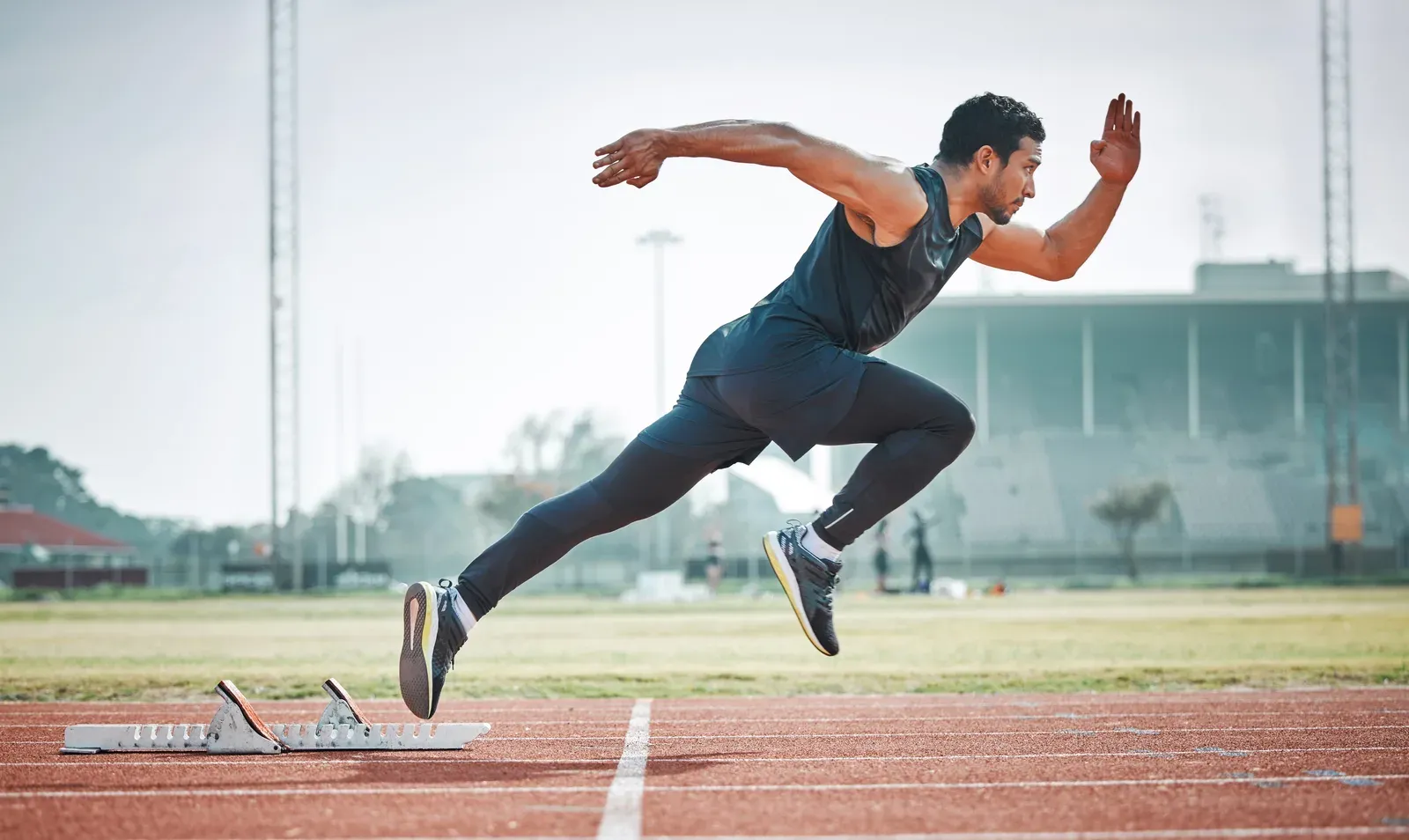
Sports performance training is not a bigger workout; it is a different discipline: assessing what limits an individual athlete, then building the speed, strength, and power their sport actually rewards, rep by coached rep. In Carmel, the one-on-one version of that discipline happens in private training suites at City Center, where one coach and one athlete get a reserved room and an uninterrupted hour, which is precisely the format group camps and team lifts cannot offer.
What performance training actually develops
Strip away the branding and athletic development trains five qualities: maximal strength, the force floor everything else stands on; speed, which is force delivered fast into the ground; power and elasticity, the jumping and cutting expression of both; movement quality, the mechanics that let force transfer without leaking or injuring; and work capacity, the engine that holds it all together late in a game. Different sports weight these differently, and, more importantly, different athletes arrive with different missing pieces. A soccer midfielder who cannot decelerate, a swimmer with no dry-land strength base, and a linebacker who is strong but slow all need different programs, which is the entire argument for individual assessment before individual programming.
That is how every engagement starts here: a free consultation with a free InBody body composition scan, a movement and training-history conversation, and then a program built for the athlete in the room rather than the median athlete in a group.
Why one-on-one beats the group format for development
Group training has real virtues, energy and cost among them, and for general conditioning it is fine. Development is different. Three things only the one-on-one format delivers:
- Technique coached every rep. Sprint mechanics, landing positions, and barbell technique are motor skills. Skills need immediate, individual correction, and one coach watching forty kids physically cannot provide it.
- Programming for this athlete. Load, exercise selection, and progression matched to training age and sport calendar, including backing off in-season and pushing in the off-season, instead of one spreadsheet for everyone.
- An environment built for focus. At FlexWerk each session happens in a private FlexSpace reserved for the hour: rack, cable system, and dumbbells with no one waiting, and a filming-friendly room with a monitor, so a coach can capture a sprint drill or a landing, review it with the athlete on the spot, and rebuild the pattern immediately. Video feedback that takes thirty seconds in a private room simply does not happen on a crowded floor.
For younger athletes there is a quieter benefit: no audience. Teens learning to lift do it without performing for a gym floor, which is where a lot of technique, and confidence, quietly improves. Our youth athlete development guide covers the long-view philosophy for that age group.
Built for Carmel’s athletic reality
This is one of the most competitive places in America to be a young athlete. Carmel High School was just named the nation’s top high school sports program in a national ranking for 2025-26, and its girls swimming dynasty holds 40 consecutive state titles. Up the road, Grand Park’s 400 acres host club seasons that run essentially year-round. The bar for making a roster, let alone seeing the field, keeps rising. That is not an argument for piling more pressure on young athletes; it is an argument for putting better preparation underneath the pressure that already exists.
That environment cuts two ways. It produces terrific athletes, and it produces overuse: year-round sport with no general physical preparation underneath is the classic recipe for the injuries that end seasons. Performance training is partly a durability project, building the strength and landing mechanics that let a body absorb a competitive season. Two caveats belong here honestly: no program can injury-proof an athlete, and any athlete returning from injury should be cleared by their physician or physical therapist before performance work begins; a good coach coordinates with that guidance rather than substituting for it.
What a program looks like
A typical development block runs in phases. Assessment first: baseline testing, movement screening, and the InBody scan. Then a foundation phase, general strength and landing and sprinting mechanics, followed by a loading phase where strength climbs and power work sharpens toward the sport. In-season, sessions drop to a maintenance dose that protects gains without stealing recovery from competition. Specific qualities get their own deep dives: speed and agility work for field and court athletes, and vertical jump development for basketball and volleyball players.
Logistics stay simple: sessions are booked appointments at 885 Monon Green Blvd, weekday hours run 5 AM to 9 PM with weekends 7 AM to 4 PM, so training fits around practice rather than competing with it, and garage parking sits a short walk away for the parent taxi service.
Measurement is the last piece, and the one parents should insist on anywhere. A development program should be able to show its work: baseline tests, periodic re-tests, and body composition tracked on re-scans rather than eyeballed. When a coach can put numbers next to a season, strength up, jump height up, sprint times down, the conversation about whether training is working stops being a matter of opinion.
Adults, by the way, get the same discipline pointed at their own goals, from rec-league speed to masters competition; that story is told in adult sports performance training.
If you have an athlete, or are one, and the next season matters, start with the free consultation: assessment, baseline scan, and a coach whose specialty matches the sport.
Related questions
What ages do performance coaches at FlexWerk work with?
Coaches here work with high school athletes through adults, and several specialize in youth development. The consultation is where age, sport, and training history get matched to the right coach.
How is this different from my athlete's team lifting program?
Team programs are written for forty athletes at once. One-on-one performance training assesses your athlete individually, fixes their specific weak links, and coaches technique rep by rep, which is what team settings cannot do.
How many sessions a week do athletes need?
Two focused sessions is the common in-training rhythm, dropping to one maintenance session in-season. The right answer depends on the sport calendar, which the coach programs around.