
Protein for Women Who Lift: How Much You Really Need
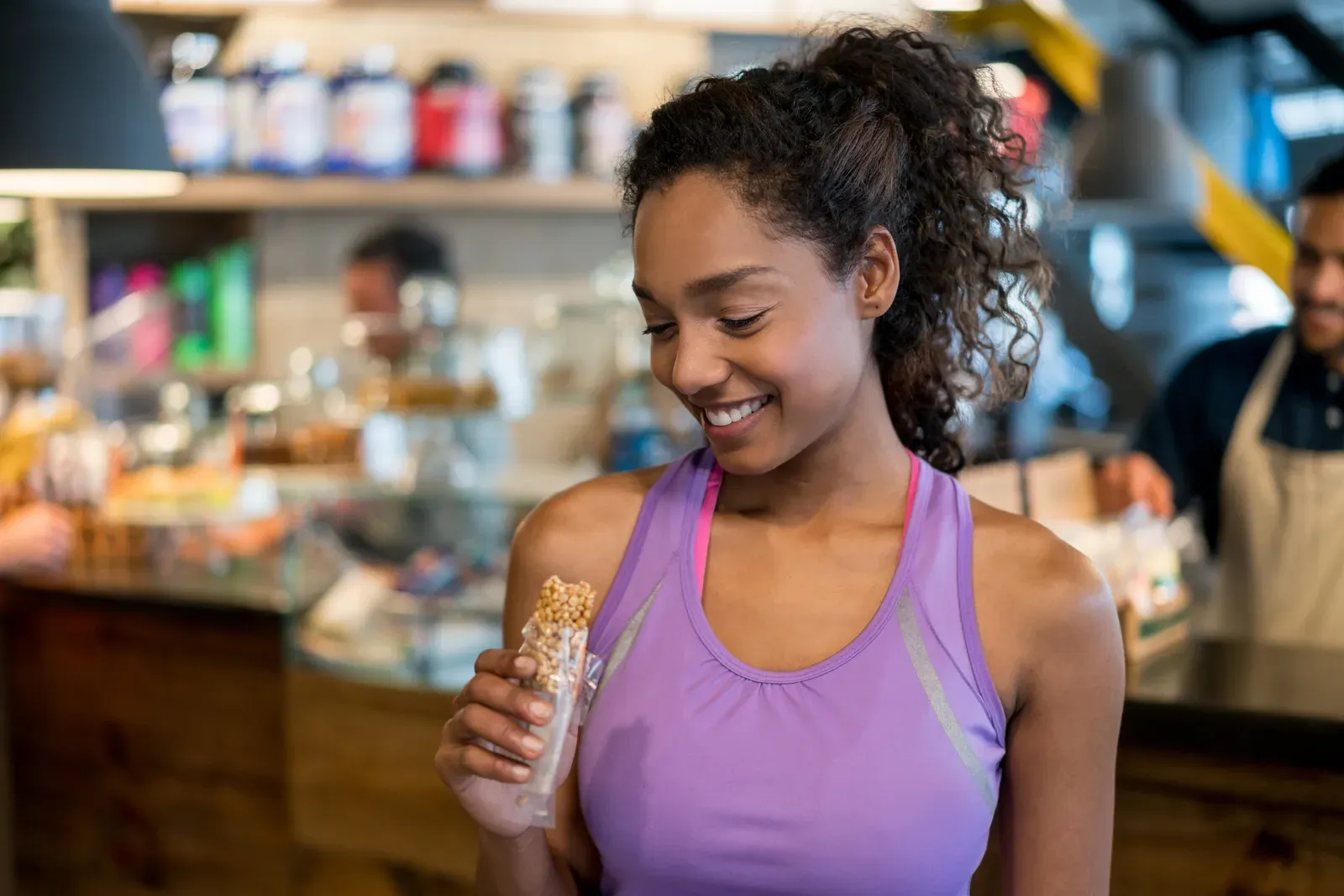
Women who lift need about the same protein per pound as men, commonly 0.7 to 1 gram per pound of goal body weight each day, and the usual gap is not a wrong number but a daily intake that sits well below it. For a woman aiming at 140 pounds, that means roughly 98 to 140 grams. A coach who works with women can help you fit it into your day, and you can start with personal training for women or a free consultation and baseline scan.
Your number, by goal
The range stays the same, and the point inside it shifts with your aim. Use goal weight in the calculation.
| Goal | Where to land | Example at 140 lb goal |
|---|---|---|
| Learning to lift, maintaining weight | Low to middle (0.7 to 0.8 g/lb) | 98 to 112 g |
| Building muscle | Middle (0.8 to 0.9 g/lb) | 112 to 126 g |
| Fat loss while lifting | Middle to high (0.9 to 1 g/lb) | 126 to 140 g |
| Perimenopause or older, any goal | Upper half | 112 to 140 g |
If you have kidney disease or another medical condition, check with your physician before moving to the upper half.
The undereating pattern coaches see
Coaches who track intake with women commonly notice the same story:
- A small breakfast, often toast, fruit or coffee, with 5 to 10 grams of protein.
- A salad or sandwich lunch with 15 to 20 grams.
- A snack that is mostly carbohydrate.
- A big dinner, where all the remaining protein is expected to arrive.
Most days that totals 60 to 80 grams. The fix is not heroic. It is shifting 20 to 30 grams earlier in the day, which changes the daily total by a third without adding a meal.
Three easy ways to close the gap
- Anchor breakfast. Eggs with a slice of toast, or Greek yogurt with fruit and nuts, puts 25 to 30 grams in your first meal.
- Make lunch protein first. Build the bowl around chicken, tofu, fish or beans, then add the rest.
- Choose a protein snack. Cottage cheese, jerky, a shake or edamame beats a bar full of sugar.
For the question of whether powders are worth it, see do you need protein shakes, and if you eat plant-based, vegetarian protein for building muscle gives you the combinations.
Special phases of life
- Perimenopause and menopause. Muscle can be harder to keep, so coaches lean toward the top half of the range and a strong lifting routine. Take your own medical situation to your physician.
- Postpartum and breastfeeding. Needs differ, and your clinician should guide intake and exercise timing.
- Cycle changes. Appetite shifts across the month are normal, and a flexible daily total handles them better than a rigid meal plan.
For women past 40, protein after 40 goes deeper on why each dose needs to be a little bigger.
How a coach checks that it is working
A coach tracks three things: strength on main lifts, skeletal muscle mass on rescans every four to six weeks, and how you feel, including energy, sleep and hunger. If muscle is holding or rising and energy is steady, the target is right. If strength stalls and the scan shows lower muscle, they look at total calories, protein and lifting before changing anything else.
Your first week
Count protein for three ordinary days without changing anything, compare it with your range, then move one meal at a time. Start with breakfast.
Related questions
Do women need less protein than men because they have less muscle?
Per pound of body weight, the research-supported range is similar. A smaller body simply reaches the same range at a lower total number of grams.
Will eating more protein make me look bulky?
No. Visible size comes from years of heavy training and a long calorie surplus. Protein supports recovery and muscle retention, and it also helps appetite control.
Does protein need change during perimenopause?
Many coaches aim toward the upper half of the range because muscle can be harder to keep. Ask your physician first if you have a medical condition, then build the plan together.