
Do I Need Protein Shakes?
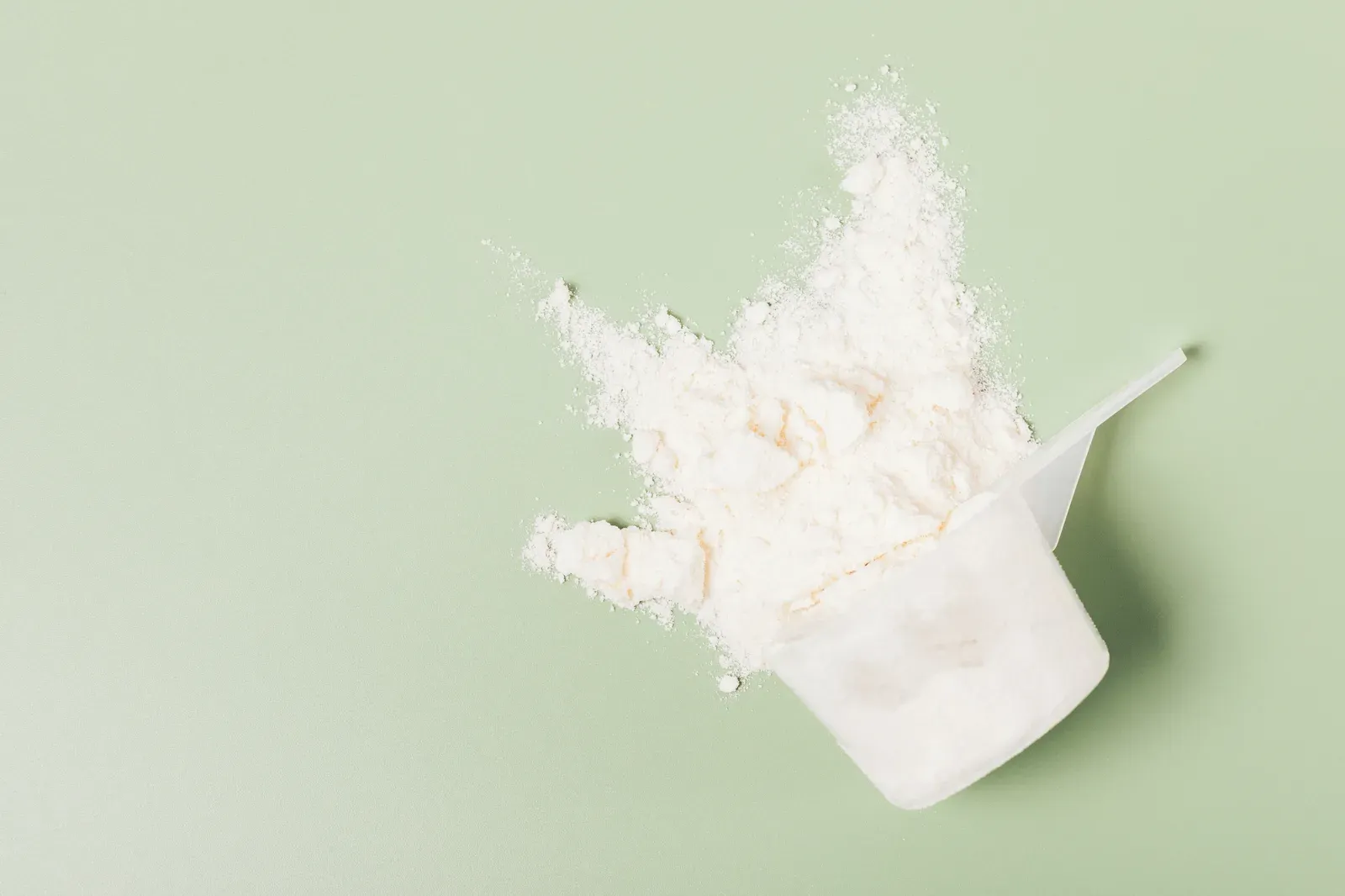
No, you do not need protein shakes: they are a convenience, not a requirement, and whole food can cover any reasonable protein target. A shake earns its place only when it solves a real problem, which is usually time, appetite, or a travel day. The supplement is optional. The protein itself is not, and that distinction is where most of the confusion lives.
The real question: are you hitting your protein target?
Start with the number the shake is supposed to serve. A common coaching target for active adults is 0.7 to 1 gram of protein per pound of goal body weight per day, split across three or four meals. Track an honest few days against that and you will land in one of two camps. If food alone gets you there, a shake adds nothing but cost and packaging; you already own the solution. If you are chronically 30 to 50 grams short, which is extremely common, especially for adults over 40, whose needs quietly rise with age, then a daily shake is one legitimate way to close the gap. So is more chicken.
Notice what the shake question secretly is: a measurement question. Most people arguing about powder have never counted a single day of protein. A coach settles this in the first week, which is one small example of what the free consultation exists for: real targets set against a real body-composition baseline instead of vibes from the supplement aisle. And if you are north of 40, read the target itself before the tub reviews, because protein after 40 runs higher than most people expect.
When a shake genuinely helps
Four situations, all practical rather than magical:
- Compressed mornings. For a Carmel professional who trains early and starts the workday after a commute that averages around 26 minutes, a shake in the car is 25 grams that otherwise would not exist. The alternative was not a leisurely omelet; it was nothing.
- Small appetite. Some people, including many on GLP-1 medications working with their prescriber, get full long before they get to their target; liquid protein slips past a capped appetite more easily than a chicken breast, which is why shakes appear in the GLP-1 protein playbook.
- Travel and chaos days. A zip-top bag of powder turns any hotel or airport into a protein stop, which beats negotiating with a grab-and-go cooler at 6 AM.
- Convenience after training. Not because of a 30-minute emergency, the anabolic window is hours wide, but because a shake beats a vending machine when lunch is far off.
The pattern: shakes rescue protein from broken logistics. That is the whole job description.
When food wins, and it usually does
Given a fair fight, whole food beats powder on almost every axis. It brings micronutrients, fiber, and food volume that powders strip out. It teaches the skills, shopping, ordering, portioning, that your results will depend on for the next thirty years, while a shake habit teaches you to scoop. Gram for gram it is often cheaper: eggs, Greek yogurt, cottage cheese, canned tuna, and chicken thighs are the budget champions of protein. And meals create satiety and routine in a way liquid calories never quite manage.
That is why the sensible ceiling for most people is one, occasionally two, shakes a day, used as scaffolding while food habits get stronger, not as a permanent load-bearing wall. If your current pattern is three scoops propping up a diet with no real meals in it, the shake is not the problem, but it is definitely hiding one. The practical middle ground for most busy adults: build three real protein meals a day first, then let a shake cover the one slot your schedule genuinely breaks, which for commuters is usually the morning and for parents is usually mid-afternoon.
How to choose one, if you land on yes
The powder aisle is engineered to make a commodity feel complicated. It is not:
- Whey protein is the well-studied default: efficient, cheap, and effective. Plant blends (pea, rice, soy) work fine at slightly larger servings for anyone avoiding dairy.
- Look for third-party testing (NSF Certified for Sport or similar), which checks that the label matches the tub.
- Aim for 20 to 30 grams of protein per serving with a short ingredient list; skip the proprietary blends and exotic promises.
- Flavor you will not dread daily, because the entire value is consistency.
Price-wise, plain tubs beat ready-to-drink bottles by a wide margin, and neither needs to be the premium brand; this is a commodity wearing marketing.
Two boundaries keep this honest. Protein powder is a food product, not medicine, and it carries no health claims here beyond convenience; and if you manage kidney disease or any other condition, confirm your protein plan with your doctor before optimizing scoops. A trainer can help with the habit architecture around it, though meal-by-meal prescriptions are dietitian territory, a line explained in do trainers give meal plans.
The bigger truth is that no powder decision matters until the training and the target underneath it exist. Get those set, with a coach, against an InBody baseline at FlexWerk in Carmel City Center, and the shake question answers itself in about a week of paying attention. Most people discover the answer was never really about shakes at all; it was about finally having a number to hit and a plan that made hitting it boring.
Related questions
Are protein shakes only for bodybuilders?
No. The people who benefit most are usually busy adults and older adults who consistently land short of their protein target with food alone. The shake is a gap-filler, and the gap is common.
Is whey or plant protein better?
Whey is the best-studied and most efficient per scoop. Plant blends work fine with slightly larger servings. Choose whichever you will actually drink, ideally third-party tested, and ask your doctor if you manage a health condition.
Can a protein shake replace a meal?
Occasionally, when the alternative is skipping food entirely. As a pattern it shortchanges you on micronutrients and satiety, and it never builds the food habits your results ultimately depend on.