
Protein After 40: How Much You Actually Need
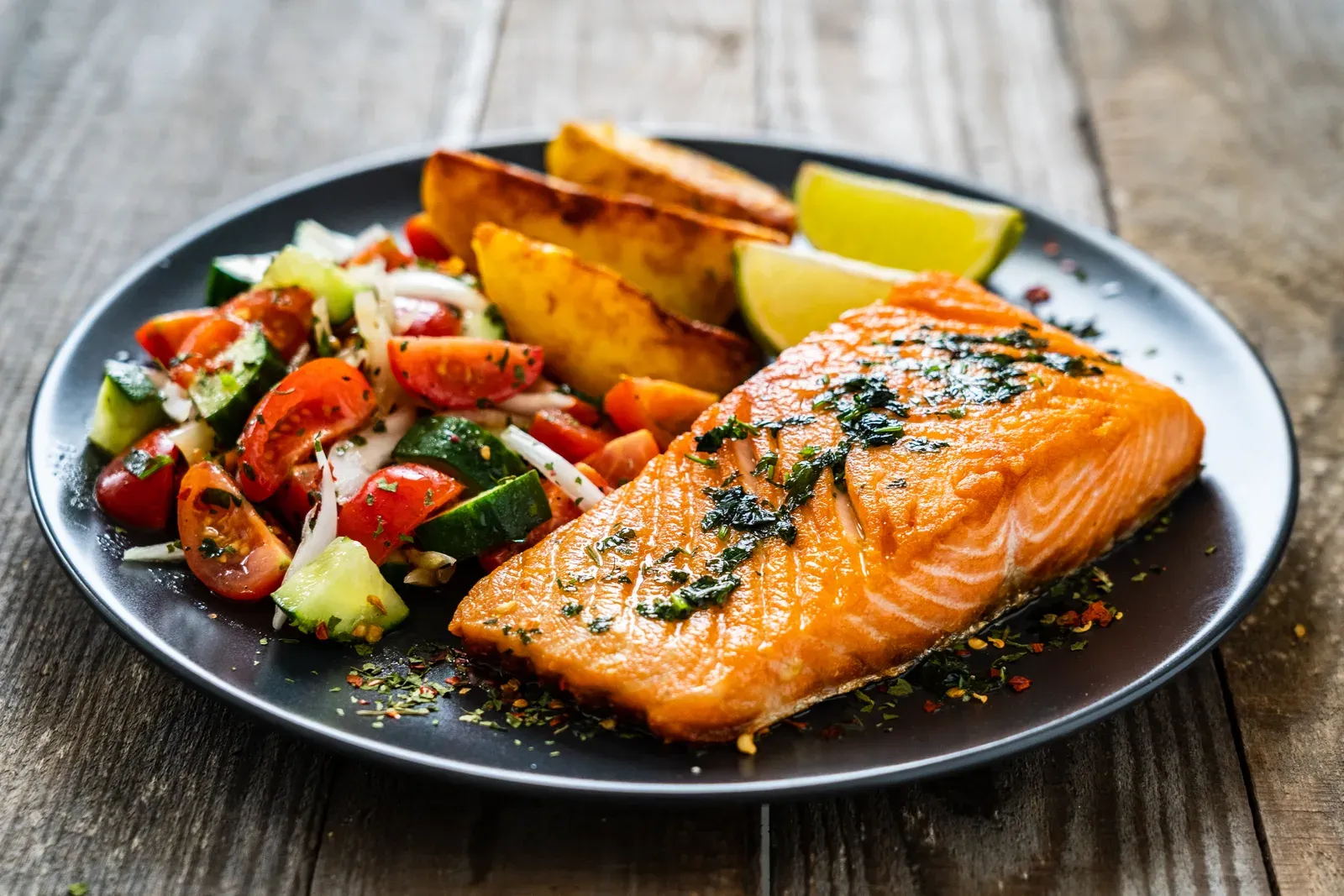
After 40 you need more protein than you did at 25, not less: a common coaching target is 0.7 to 1 gram per pound of goal body weight per day, because aging muscle responds less efficiently to each meal while age-related muscle loss is already quietly underway. Most adults over 40 eat nowhere near that, and it shows up a decade later as weakness, a slower metabolism, and the frailty everyone assumes was inevitable. It was not. It was mostly a protein and training gap.
Why 40 is the line
Two things change around this decade. First, research commonly describes something called anabolic resistance: the same 15-gram dose of protein that triggered muscle building at 25 produces a weaker response at 45. The machinery still works; it just needs a bigger signal. Second, adults lose muscle with age by default, with studies commonly citing losses of several percent per decade from the 30s onward, accelerating later. Neither process announces itself. You do not feel muscle leaving; you notice, years later, that the suitcase got heavier and the stairs got longer.
The fix is a pair, not a food: enough protein to supply the building material, plus strength training to send the build order. Protein without lifting is half a plan, which is why coaches treat this as one conversation. If you want your actual starting point measured instead of assumed, a free consultation at FlexWerk includes a free InBody scan that shows your current muscle mass against where it should be, and it is a genuinely useful number to know at 40, 50, or 60.
The number, and how to think about it
The 0.7 to 1 gram per pound of goal body weight range covers most healthy adults over 40. Use goal weight, not current weight, so the target does not inflate with the thing you are trying to change. For someone aiming at 160 pounds, that is 112 to 160 grams a day, and the higher end earns its keep when you are actively strength training or losing fat. If that range sounds high, it is because the official recommended daily allowance is commonly described by researchers as a floor for avoiding deficiency, not a target for active adults trying to keep muscle through their 40s and beyond. Coaches program toward the higher bar because the goal is higher than survival.
Distribution matters more after 40 than before because of that anabolic resistance: 25 to 40 grams per meal, three or four times a day, commonly beats the same total crammed into dinner. The typical American eating pattern, token breakfast, light lunch, protein-heavy dinner, is almost perfectly backwards for aging muscle. Breakfast is where most people over 40 lose the day: a coffee and a granola bar is roughly 5 grams when the meal called for 30.
What it looks like on a real plate
No powders required, just protein-led meals:
- Breakfast, about 30 g: three eggs with cottage cheese, or Greek yogurt with nuts and berries.
- Lunch, about 40 g: a real portion of chicken, turkey, or tuna on a salad or bowl, not a garnish.
- Dinner, about 40 g: the salmon-and-vegetables template, or lean beef, pork tenderloin, or tofu in a stir-fry.
- One snack, about 20 g: Greek yogurt, cottage cheese, jerky, or a shake if convenience wins that day.
Eating out does not break the system either: nearly every restaurant menu in Hamilton County has a protein-led answer if you order the salmon, the steak salad, or the extra chicken without ceremony.
Shakes are optional; they are a tool for busy days, not a requirement, and the honest breakdown of when they help is in do I need protein shakes. The bigger pattern, building eating habits that survive a real calendar, is the entire subject of nutrition habits that support training.
Protein without lifting is half a plan
Here is the part that gets left out of most protein articles: the target above assumes the protein has a job. Eating 140 grams a day while doing nothing sends material to a construction site with no crew. Strength training, two or three sessions a week, is what turns protein into retained and rebuilt muscle, and it is the difference between the people who hit 60 strong and the people who wonder where their strength went.
The pairing pays off in both directions. Lifters who under-eat protein recover slowly and progress slower than their effort deserves; high-protein eaters who do not lift keep their metabolism a little warmer but still lose the strength battle. Do both and the decade after 40 becomes the one where you visibly reverse the trend most of your peers accept.
Making it stick in a Carmel-sized calendar
Carmel’s professional rhythm, corporate calendars along the Meridian corridor, kids’ seasons at Grand Park, a commute that averages around 26 minutes, is exactly the life where protein slips: not from ignorance but from improvisation. The habit that works is deciding your four protein slots in advance, once a week, the same way meetings get scheduled. Buy the Greek yogurt, cook protein in batches, default the lunch order.
And put the other half of the plan on the calendar too. At FlexWerk in Carmel City Center, coaching sessions run in private suites, the InBody re-test every few weeks shows muscle actually holding or climbing, and the protein conversation is built into the program rather than left to willpower. If you are over 40 and have never had your body composition measured, the free consultation is the simplest possible place to start.
Related questions
Is a higher protein intake safe after 40?
For healthy adults, intakes in the 0.7 to 1 gram per pound range are commonly considered safe and are standard in coaching practice. If you have kidney disease or another medical condition, confirm your target with your physician first.
Do I really need protein at every meal?
It helps more after 40 than it did before. Because older muscle responds less efficiently to small doses, 25 to 40 grams per meal is commonly recommended over one big protein dinner.
Can I hit my protein target with plant foods?
Yes, with more attention. Plant proteins tend to come in smaller doses per serving, so it takes deliberate portions of beans, lentils, tofu, tempeh, and higher-protein grains, and many people add a plant protein powder to close the gap.