
Should I Take Creatine?
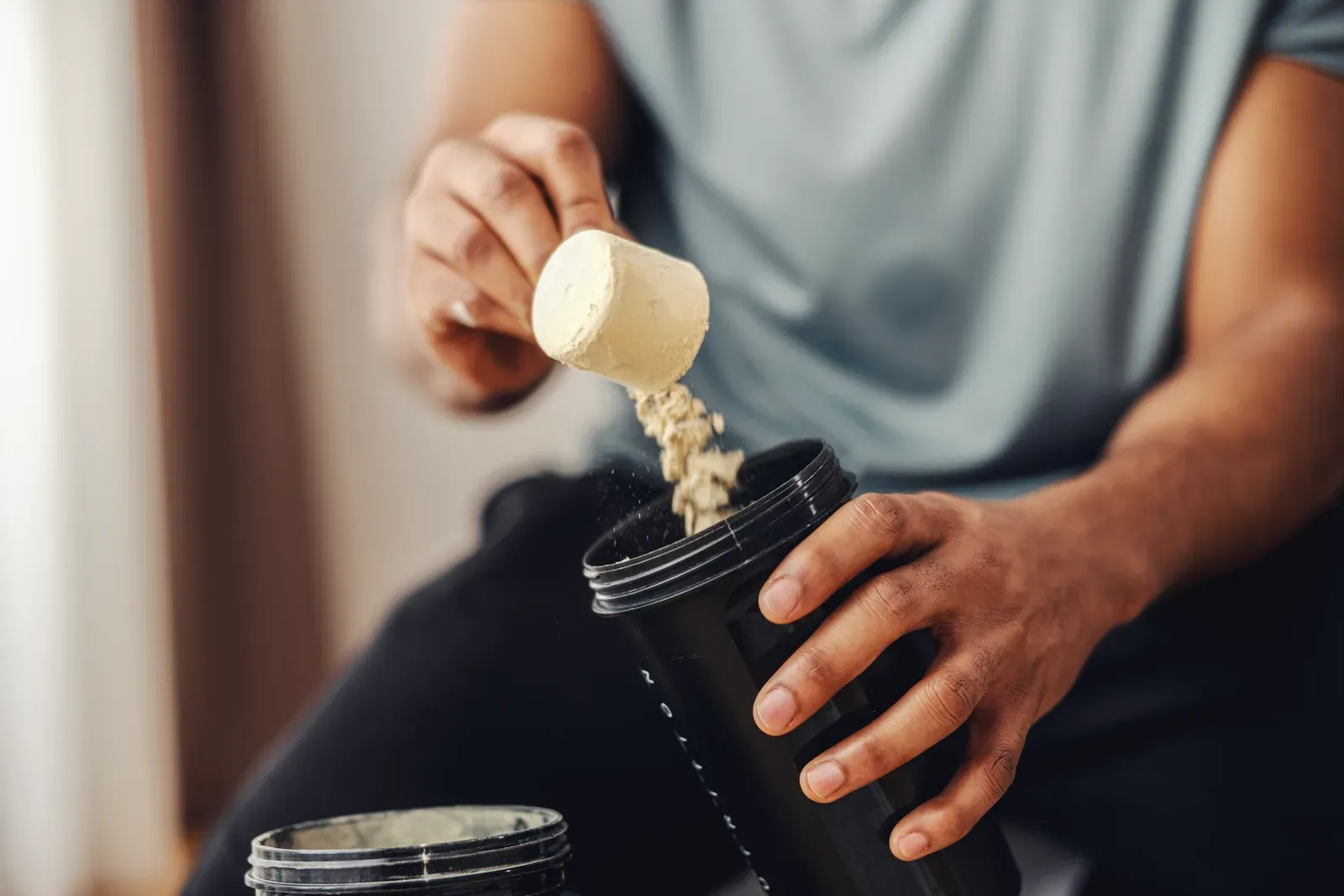
If you strength train consistently, creatine is a reasonable yes: 3 to 5 grams of creatine monohydrate daily is one of the best-studied supplement protocols in sports nutrition and commonly supports strength and lean mass gains from training. If you do not train, it is a no, because there is nothing for it to amplify. And either way it is a supplement, so the correct first stop is your doctor, especially if you have kidney disease or take regular medications.
The decision in one table
The question is less “is creatine good” and more “is creatine good for you right now”:
| Your situation | Verdict |
|---|---|
| Lifting 2+ times a week, consistent | Reasonable yes, with your doctor’s okay |
| Just starting to train | Fine either way; the training matters far more |
| Not strength training at all | Skip it; fix training first |
| Kidney condition, medications, pregnancy | Doctor’s call before anything else |
The pattern in that table is the honest heart of this answer: creatine is a training amplifier. It gives you a little more capacity in hard sets, which compounds into slightly better strength and muscle results over months of consistent lifting. Remove the lifting and you have removed the mechanism. If your training itself is not yet consistent, that is the higher-return problem, and it is exactly what a free consultation with a coach is built to solve before any supplement conversation is worth having. It is a better use of the same monthly money, and it is the difference between a supplement supporting a plan and a supplement standing in for one.
What creatine does, minus the marketing
Your muscles keep a small reserve of quick energy in the form of phosphocreatine, used for short, intense efforts: a heavy set, a sprint, a hard row interval. Supplementing tops up the reserve. In training terms, that commonly means an extra rep or two at the edge of a set, slightly faster recovery between sets, and better session quality over time. The muscle and strength benefits seen across hundreds of studies flow from that: better training, repeated for months.
What it will not do: replace training, burn fat on its own, or transform anything in two weeks. Expect a small early weight uptick, commonly a pound or two, as water moves into the muscle cells; that is normal, not fat gain. Newer research explores areas beyond the gym, but the well-supported, honest claim remains training support, and that is the only claim worth building a decision on. Response also varies person to person: people who eat little meat or fish commonly notice more, since food is the natural dietary source, while a minority are simply low responders who notice little. That variability is normal and worth knowing in advance.
How to take it, if you and your doctor land on yes
The protocol is refreshingly boring:
- Buy plain creatine monohydrate, ideally third-party tested. It is the form used in nearly all the research and typically the cheapest on the shelf.
- Take 3 to 5 grams once daily, mixed into anything: water, coffee, a smoothie. Timing has no meaningful evidence behind it; daily consistency is everything.
- Skip loading phases. Bigger front-loaded doses saturate stores a bit faster but are unnecessary; steady dosing gets there in three to four weeks.
- Judge it at the two-month mark, against training numbers and body composition, not day-to-day feelings.
That last point deserves a tool: a supplement whose effect is “slightly better training accumulating over months” is essentially unmeasurable by vibes. An InBody re-test every few weeks, which is how progress is tracked at FlexWerk anyway, shows whether lean mass is actually moving, so the decision to keep buying it rests on data instead of hope. And if you notice nothing at all after two months of honest training, you may be a low responder; stopping is fine and loses you nothing but the ritual.
Keep it in fifth place
Ranked honestly for a busy adult in Carmel, the inputs to your results go: training consistency, protein, sleep, overall recovery, and then, somewhere after those, creatine. It is the most defensible entry in the supplement aisle, and it is still worth less than any single item ahead of it on that list. The same hierarchy applies to the shake question, covered in do I need protein shakes, and to recovery questions like how many rest days you need: the fundamentals are the product, the powders are accessories.
There is a local reason to say this plainly. Carmel’s fitness market is full of professionals with real budgets and short time, exactly the audience supplement marketing loves, and a monthly creatine habit costs pocket change while a stalled program costs months. Spend accordingly: fundamentals first, then the cheap, boring, well-studied powder if your doctor is comfortable and your training is real. The same logic covers the rest of the aisle, too: pre-workouts, aminos, and fat burners all rank below the creatine you were unsure about, and most rank below breakfast.
If the honest audit is that your lifting is not yet consistent enough for any of this to matter, that is a fixable problem with a scheduled solution: a free consultation at FlexWerk in Carmel City Center, a free InBody baseline, and a coach who makes the training itself, the part creatine can only assist, actually happen every week.
Related questions
Is creatine safe?
Creatine monohydrate is one of the most-studied supplements in sports nutrition, and it is commonly considered safe for healthy adults at 3 to 5 grams daily. Anyone with kidney disease, on regular medications, or managing a health condition should clear it with their doctor first.
How long until creatine does anything?
With daily 3 to 5 gram dosing, muscle stores typically saturate in three to four weeks. Judge it over a couple of months of training, not a couple of workouts.
Do I need to cycle on and off creatine?
No. There is no established need to cycle it. Consistent daily use is the standard, well-studied approach, and stopping simply lets stores drift back to baseline over a few weeks.