
Body Fat Percentage Goals for Women Over 50
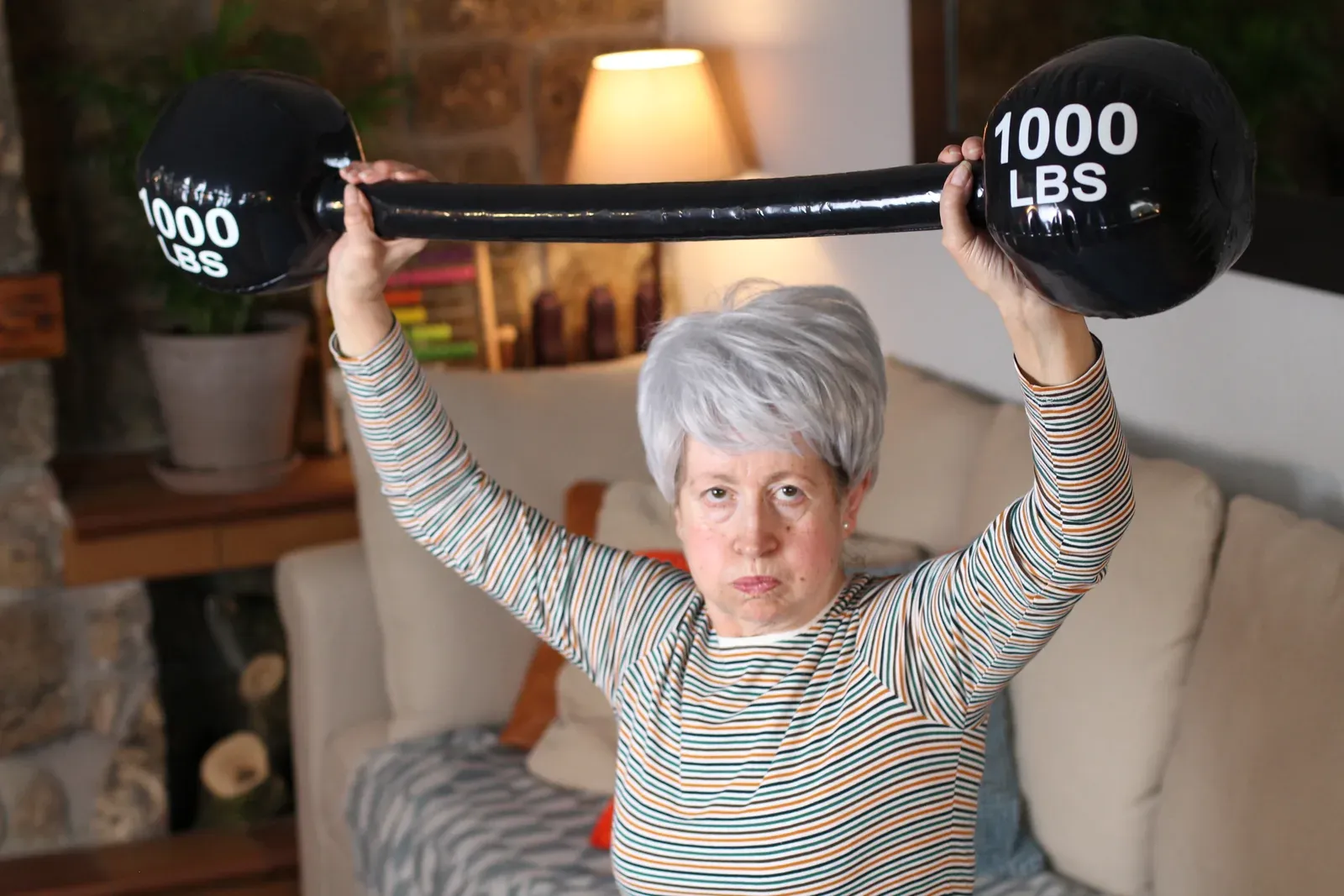
A sensible body fat goal for women over 50 sits higher than the charts for younger women and matters less than the real priority, which is protecting muscle and bone while trimming only the fat you can lose comfortably. Because bone, hormones and medications vary, agree on a number with your physician first. Then a coach can build a plan, and the over 50 coaching page explains how training for this decade is approached.
Why the healthy range rises with age
Commonly cited fitness charts show the acceptable body fat band moving up decade by decade for women. Several things drive that.
- Hormonal change. Falling estrogen around menopause shifts where fat is stored, often toward the midsection.
- Muscle loss. Without resistance training, lean mass declines gradually with age, which raises the percentage even at a steady weight.
- Protective role. A bit of reserve supports bone and resilience, so very low levels are not a health goal.
The full age-by-age table is in healthy body fat percentage by age. Use it to see the band, then set your target within it with your care team.
The goal that matters more
Rather than the lowest possible number, consider a short list of goals that support life after 50:
- Hold or build muscle. It is the biggest lever for strength, metabolism and falls.
- Strengthen bones. Lifting heavy within your limits helps, and your physician may advise on bone density.
- Trim excess midsection fat. The reduction matters for comfort and long-term health.
- Improve balance and function. Stairs, groceries and getting up from the floor.
The article on lifting heavy after menopause shows how this training is approached, and perimenopause strength training covers the transition years.
Setting a first target
Follow this simple path.
- Get a baseline scan, so you know your body fat, muscle and regional lean mass.
- Find your age band on the chart and note the range.
- Choose a first goal of two to four points lower, or simply to hold your number while muscle rises.
- Set a 90 day checkpoint.
- Rescan under matched conditions and decide the next step with your coach.
Remember that scans have a margin of error, so trends across matched rescans carry the meaning.
Questions to ask your physician first
- Is my bone density a concern, and does it change how I should train?
- Do any of my medications affect weight, fluid or muscle?
- Is a lower body fat target safe for me, and how low is too low?
- Are there joints or conditions I should avoid loading?
- Do I need any tests before I start a heavier program?
A coach does not diagnose or treat. Their job is to train you within the limits your clinician sets.
What a coach does here
A coach reads your scan, builds a program around strength and mobility and watches how you recover. They set the plan, adjust it for sleep and stress and track whether lean mass is holding. FlexWerk in Carmel pairs a free consultation and InBody scan with coaches who each set their own terms. Bring your physician’s guidance if you have it, and ask how the coach would keep your goal focused on strength rather than a number.
Related questions
Is a higher body fat percentage normal after menopause?
Fat distribution and typical ranges shift with age and hormonal change, which is why charts show higher healthy bands for older women. Your physician can say what is right for you.
Should I aim for the lowest number I can reach?
Usually not. Very low body fat can work against bone and muscle health in older women. A moderate target you can hold while strength rises is a safer and more useful aim.
What matters more than the percentage?
Strength, muscle mass, balance and bone health tend to matter more for long-term independence. The percentage is one input, best read with those.