
Athletic Body Fat Percentage Ranges for Active Adults
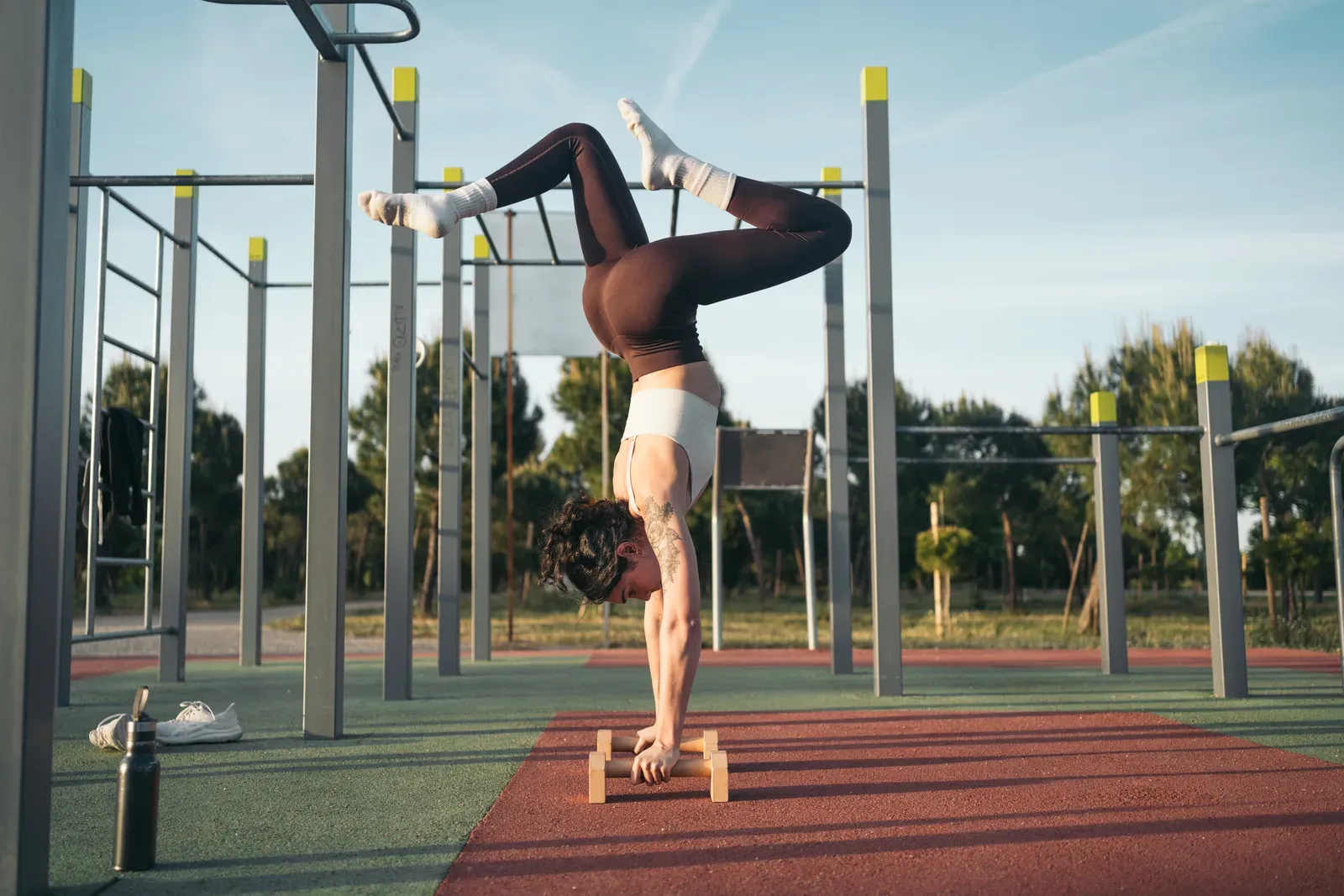
Commonly cited norms from exercise physiology references put athletic body fat at roughly 6 to 13 percent for men and 14 to 20 percent for women, while recreational lifters and active adults typically sit in the fit and average bands above that, and still count as healthy. The athlete band is a description of people whose sport rewards leanness, not a target for everyone. If you want your real number before deciding, the free scan in a free consultation measures it.
The ranges in one table
These are widely used conventions, not medical standards, and different sources draw the lines a few points apart.
| Category | Men | Women |
|---|---|---|
| Athletic | about 6 to 13% | about 14 to 20% |
| Fit | about 14 to 17% | about 21 to 24% |
| Average | about 18 to 24% | about 25 to 31% |
Read the table as bands with soft edges. Someone at the top of the fit band and someone at the bottom of the athletic band may look and perform similarly. Source note: the figures are the commonly cited norms from exercise physiology references, and a measured scan under matched conditions will place you more reliably than any calculator.
Where recreational lifters actually land
Most adults who train three or four times a week and eat reasonably well sit in the fit and average bands, and they are healthy, strong and capable there. Looking “athletic” in the everyday sense depends on muscle shape and distribution at least as much as on the percentage. A well-muscled person at the upper end of fit often looks leaner than a low-muscle person at the athletic band.
Compare that with the broader age-based ranges in healthy body fat percentage by age, which are built for general health rather than performance.
Why sport changes the answer
Athletes in endurance and weight-class sports often run leaner because every pound matters. Athletes in strength and power sports usually carry more, since size helps. A range that suits a distance runner may undermine a thrower. That is why any single “athletic” number is a rough guide at best.
When chasing lower becomes overreach
Signs that a pursuit of leanness has gone beyond what your goals need:
- training quality drops, with fewer reps or lower loads at the same effort
- sleep worsens and you feel cold or irritable
- appetite and mood swing, or you obsess over food
- recovery slows, and small injuries linger
- menstrual cycles change or stop
- you feel unable to let the number rise
Any of these deserves a conversation with your physician, and the reasoning is developed on the page about the lowest safe body fat percentage.
How a coach sets an athletic goal
A coach asks what the number is for. If it is a sport, they set a range with the sport in mind and a timeline that protects performance. If it is visual, they emphasize muscle building and a modest fat reduction. They set realistic steps, as in a realistic body fat goal, and rescan every four to six weeks instead of testing weekly.
Your next step
Decide what you want the number to do, get measured under matched conditions, and choose a range that supports training. Bring that question to a coach and let the plan follow.
Related questions
What body fat percentage looks athletic?
It depends on your frame, muscle distribution and where you store fat. Many people look athletic across the fit band, and visible definition varies more by muscle than by the number.
Do athletes stay at their lowest body fat all year?
Most do not. Athletes commonly carry more in the off season and trim for competition, and staying at the leanest end year round tends to cost energy, mood and recovery.
Is lower body fat always better for performance?
No. Each sport has a range where performance peaks, and going below it generally hurts strength, speed and health. A coach or sport dietitian should set that range for you.