
What Is a Healthy Body Fat Percentage for My Age?
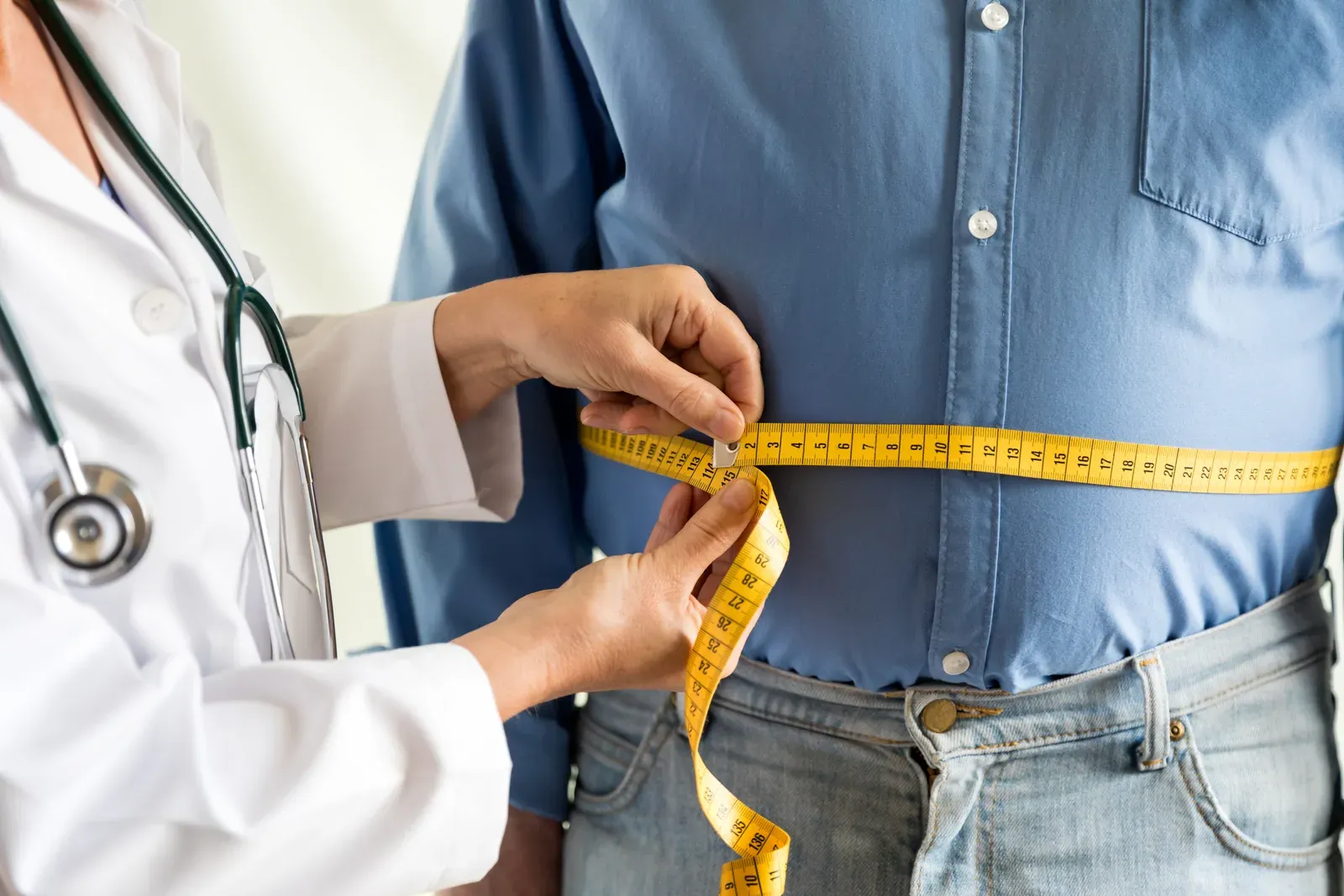
Widely used fitness-industry charts put a healthy body fat percentage at roughly 10-20% for men and 18-28% for women through early and middle adulthood, with the acceptable range drifting a few points higher by decade, and the honest answer is that healthy is a range, not a single number. Where you personally should sit inside it depends on your muscle mass, your health history, and what you are training for. If you want your actual number instead of a chart, the free consultation at FlexWerk includes a free InBody scan that measures it in about a minute.
The commonly cited ranges
Most body fat charts trace back to fitness-industry classifications rather than a single medical standard, so treat the borders as soft lines, not verdicts:
| Commonly cited category | Men | Women |
|---|---|---|
| Athletic | 6-13% | 14-20% |
| Fit | 14-17% | 21-24% |
| Average | 18-24% | 25-31% |
| Above the typical range | 25%+ | 32%+ |
Women’s ranges run higher for a physiological reason: essential fat, the amount the body requires to function, is commonly cited around 3-5% for men and 10-13% for women. Hormones and biology set that floor, not fitness level, which is why comparing across sexes is meaningless.
One more boundary worth stating plainly: these categories are conventions, not diagnoses. Where a genuinely healthy range sits for you, given your history, medications, and labs, is a conversation for your physician. A trainer’s lane is helping you move the number; interpreting its medical meaning is not.
Why the ranges drift upward with age
The ranges rise with age mostly because muscle falls. Untrained adults typically lose muscle each decade from their 30s onward, and when lean mass shrinks while weight holds steady, body fat percentage climbs without a single pound of fat gained. Hormonal shifts through midlife nudge storage patterns as well. Most age-adjusted charts therefore allow a few extra points per decade, and that is reasonable: chasing your college number at 55 is neither necessary nor, for most people, worth what it would cost to hold.
The drift is not mandatory, though. Strength training attacks the cause directly by holding or rebuilding lean mass, which is why a consistent 50-year-old lifter can carry a body fat percentage the charts would file twenty years younger. The goal is not defying age; it is refusing to hand over muscle you could have kept.
Why the same percentage looks different on different people
Two people at 25% can be in genuinely different situations, because percent body fat says nothing about where the fat sits or what is underneath it. Distribution matters most: fat stored deep in the abdomen carries different health weight than fat under the skin, which is why a body composition report includes a separate visceral fat level alongside the percentage. Muscle matters just as much: 25% over a solid lean frame and 25% over very little muscle are different bodies with different first moves, usually build first versus reduce first.
This is why a percentage alone makes a poor goal. The pairing that actually describes you is body fat percentage plus skeletal muscle mass, read together, which is exactly what a full InBody report lays out line by line. Frame and where you carry muscle also change how any number reads in the mirror, which is one more reason to anchor goals to measurements rather than to someone else’s photos.
How to find your number and pick a sensible target
Skip the online calculators; measured beats estimated every time. DEXA scans at clinical facilities are the tightest consumer-accessible reference, and a good option if your physician suggests one. For ongoing tracking, an InBody-style scan is the practical choice: about a minute, no appointment at a clinic, and free at FlexWerk’s Carmel City Center location as part of the consultation. Whichever method you use, the rule is the same: consumer body-composition tools are trend instruments, so scan under matched conditions and trust the direction across weeks more than any single reading.
Then pick a target the way a coach would, starting with which of three goals you are actually pursuing, because they point at different spots in the range. Health asks the least: moving from above the typical range into it delivers most of the upside, which is worth remembering if the athletic column has been quietly discouraging you. Aesthetics usually lives near the fit range and costs real consistency in training and food. The athletic column is a sport-specific tool, not a wellness target, and holding it year-round is neither expected nor advisable for most adults. Name the tier you actually want, and the number stops being a judgment and starts being a dial.
From there, the target is simply a point inside the commonly cited range for your sex and age that you can actually sustain. With 23.3% of Hamilton County working from home, incidental daily movement is often the first thing that quietly disappears from a schedule, so the honest question is not the lowest number you could theoretically reach but the one your real week can hold. A baseline scan, a range that fits your life, and a plan to re-measure in a few weeks will teach you more than any chart on the internet.
The simplest next step is to stop estimating: get the baseline measured, and decide where you want it to go from there.
Related questions
Is BMI the same as body fat percentage?
No. BMI only compares weight to height and cannot tell muscle from fat, so muscular people can score 'overweight' while under-muscled people score 'normal.' Body fat percentage describes what the weight is actually made of.
What body fat percentage should I aim for?
A sustainable point inside the commonly cited range for your sex and age, one you can hold without misery. A coach can help you pick the training target; your physician is the right person for the health specifics.
How accurate is the number I get from a scan?
Treat any consumer scan as an estimate with a margin of error. Measured under consistent conditions, the trend across scans is dependable even when the absolute number is a little off.