
Body Fat Percentage vs BMI: Which Tells You More?
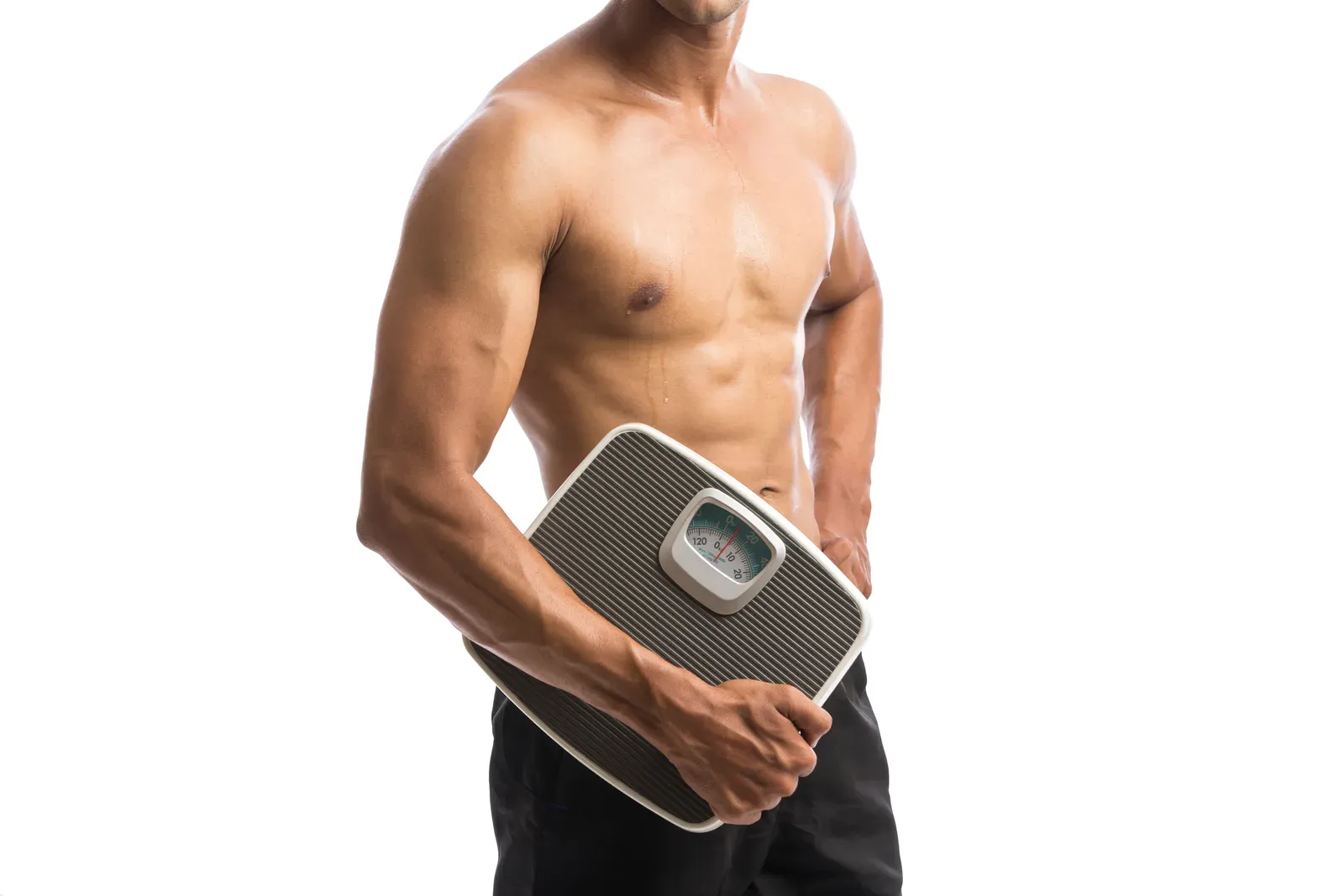
Body fat percentage tells you more than BMI because BMI is only weight divided by height squared and cannot tell muscle from fat, while body fat percentage describes what the weight is made of. BMI remains useful as a quick, free screen across large populations, but it is a blunt instrument for any one person. For a personal read, a scan during a free consultation gives you both fat and muscle numbers in under a minute.
What each measure actually captures
BMI takes your weight, divides by your height squared and places you in a band. It has no way to know whether your weight is bone, muscle, water or fat.
Body fat percentage splits your weight into fat mass and everything else. It answers the question people usually care about: how much of me is fat, and is that changing?
Neither is a diagnosis. Both are inputs that a clinician or coach interprets in context. The age-based ranges for body fat are in the healthy body fat by age guide.
Where BMI goes wrong, with example cases
Case one, the lifter. A 5 foot 10 man weighing 205 pounds has a BMI in the overweight band. If he trains four days a week and carries a lot of muscle, his body fat percentage can sit in a healthy range. BMI calls him a problem; the scan does not.
Case two, the quiet loser of muscle. A 5 foot 5 woman at 140 pounds sits in the normal band. After years of dieting without lifting, she has little muscle, and her scan shows a high percentage of body fat for her age. The pattern has a name in the guide on normal weight with high body fat.
Case three, the older adult. Muscle thins gradually with age, so a stable weight can hide a shift from muscle to fat. BMI does not budge while the composition worsens.
Case four, the recomposition client. Over six months, someone swaps eight pounds of fat for eight pounds of muscle. The scale and BMI are unchanged, but the body is quite different. The page on muscle weighing more than fat explains why the scale hides this.
A side by side comparison
| Question | BMI | Body fat percentage |
|---|---|---|
| Needs equipment | No | Yes, a scan or caliper method |
| Separates muscle from fat | No | Yes |
| Good for population screening | Yes | Less practical |
| Shows progress during recomposition | No | Yes |
| Affected by hydration | No | Somewhat, see testing notes below |
What body fat measures cannot do either
Percentage readings come from estimates, and impedance scans respond to hydration, recent meals and exercise. A single reading is a snapshot with a margin of error, so trends across matched scans carry the meaning. Even so, a consistent scan beats BMI for tracking change.
A practical rule for choosing
- If you do not lift and want a very rough sense of risk, BMI is a fair starting screen.
- If you lift, are over 40 or are trying to change shape, track body fat and muscle.
- If the two disagree, trust the scan and discuss the difference with your clinician.
- If either number worries you medically, take it to your physician, not to a gym.
Getting a baseline in Carmel
A body composition scan makes the disagreement concrete. At FlexWerk in Carmel, the free consultation includes an InBody scan, and each coach sets their own terms for what comes next. Bring your height, usual weight and goals, and a coach can show you where the two measures agree and where they do not.
Related questions
Can someone have a normal BMI and still have too much body fat?
Yes. This is common in people with low muscle, especially after years of inactivity or crash dieting. Their weight looks fine for their height while a large share of it is fat.
Can someone be 'overweight' by BMI and still be healthy?
It happens regularly with muscular people. A lifter carrying a lot of lean mass can fall into the overweight BMI band with a body fat percentage well within a healthy range.
Which should I track over time?
Track body fat and muscle from the same kind of scan under matched conditions, plus waist size if you like. BMI barely moves when you swap fat for muscle, so it hides your progress.