
Pilates vs Strength Training: Complement, Not Substitute
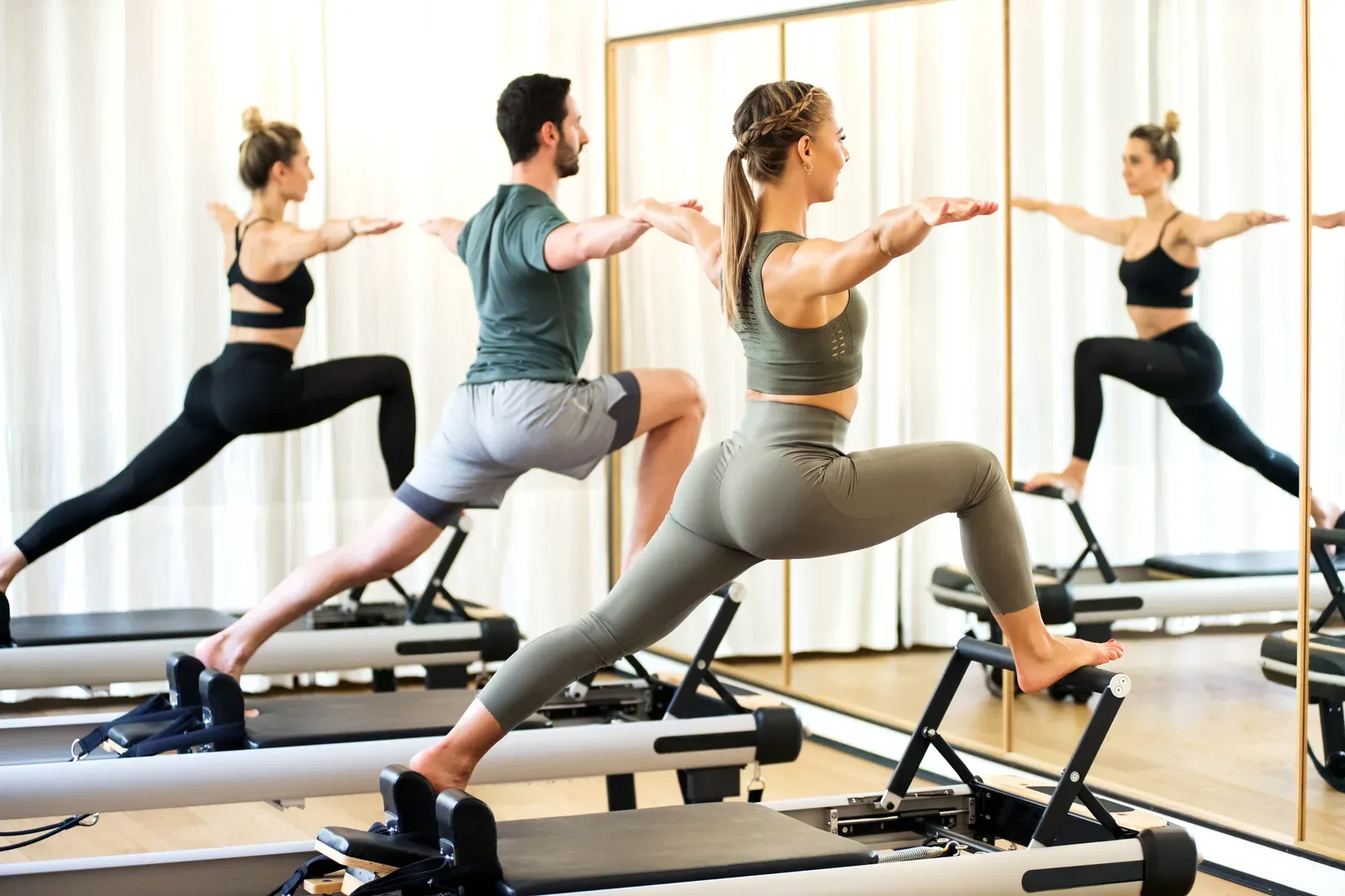
If you are deciding between Pilates and strength training, the honest answer is that you are comparing teammates, not rivals. Pilates builds core control, precision, and mobility exceptionally well; progressive strength training builds muscle mass and bone density in a way Pilates cannot; and the best results come from anchoring on strength while keeping what Pilates does best. Neither deserves the dismissive takes it gets from the other camp.
What Pilates genuinely delivers
Pilates deserves real respect, because what it teaches is foundational. A good instructor drills core engagement, breathing, spinal articulation, and precise control of movement, qualities plenty of longtime lifters never develop. The method shines at building body awareness, training deep stabilizing muscles that rushed gym sessions skip, and giving people with desk-stiff bodies a disciplined hour of controlled, low-impact movement. Reformer work adds genuine resistance through springs, and beginners often gain noticeable strength in their first months.
Pilates is also a remarkably sustainable habit. Classes are scheduled, social, and easy on the joints, which is why so many people stick with Pilates for years after quitting three gyms. Consistency is the rarest commodity in fitness, and any method that produces it has earned its place. It is also the first thing a coach asks about at a free consultation, because whatever plan you build next has to survive contact with your real calendar.
What strength training delivers that Pilates cannot
The gap comes down to one mechanism: progressive overload. Building meaningful muscle and bone requires progressively heavier loading over months and years, and a barbell, dumbbells, and cables can keep adding load essentially forever, while springs and body weight run out of runway. This is not a style opinion; it is how muscle and bone adapt.
That distinction matters most after 40, and especially for women approaching or past menopause, when muscle and bone decline accelerate. Heavy, progressive resistance work is the intervention with the strongest evidence for building bone density and preserving muscle, which is why it shows up in every serious longevity conversation. If osteoporosis or bone loss is already in your picture, loop in your physician before changing your training, then build from there.
Strength training also moves body composition in a way Pilates rarely does. Adding visible muscle and shifting your muscle-to-fat ratio takes loading heavy enough to force adaptation, and the same is true of the strength that shows up in daily life, whether that is hauling mulch in May or a week of shoveling out of a typical Indiana winter’s 22 inches of snow. And no, appropriate lifting does not make women bulky; that myth has an answer of its own.
A fair side-by-side
Here is where each one earns its keep:
| Goal | Pilates | Strength training |
|---|---|---|
| Core control and precision | Excellent | Good |
| Mobility and low-impact movement | Excellent | Moderate, depends on programming |
| Building muscle mass | Modest, plateaus early | Excellent, keeps progressing |
| Bone density | Limited evidence | Strongest evidence |
| Body-composition change | Modest | Excellent with nutrition |
| Beginner-friendliness | High | High with coaching |
Read the table honestly and the pattern is obvious: these methods answer different questions. “Which is better?” only makes sense once you name the goal, and for most adults the goal list includes items from both columns, which is why the either-or framing quietly costs people results that a simple combination would have delivered.
How to combine them well
The cleanest structure is strength as the spine of the week and Pilates as a complement. Two coached lifting sessions provide the progressive stimulus for muscle and bone; one or two Pilates classes maintain the control, mobility, and core quality that make the lifting safer and better. People who train this way often find the disciplines feed each other, with Pilates breathing and bracing showing up under the bar, and lifting strength showing up on the reformer. A realistic week might look like Monday and Thursday strength sessions, a Saturday reformer class, and a Sunday walk on the Monon; nothing about the combination requires more than four committed hours.
Carmel makes the combination easy to build, with a deep boutique-studio scene, from Orangetheory’s two local studios to SPENGA and Revel, alongside dedicated Pilates studios, so the realistic question is not access but sequencing. If you are unsure where to start, a consultation at FlexWerk sorts it quickly: an InBody body-composition scan gives you a baseline for muscle and fat, and a coach maps where strength work will move your numbers and where your existing Pilates practice already has you covered.
One more honest note: if you love Pilates and would quit a barbell program in a month, keep the Pilates. The plan you maintain beats the plan you abandon, and a coach’s job is to add strength around your life, not to replace what is working. FlexWerk sessions happen one-on-one in a completely private suite, which turns out to be a comfortable on-ramp for Pilates devotees who find big gym floors like a foreign country.
If your goals include muscle, bone, or visible body-composition change, the evidence points to adding progressive strength work rather than substituting away from Pilates. Book a free consultation, bring your goals, and leave with a week that keeps the best of both.
Related questions
Can Pilates replace weight training?
For core control, mobility, and movement quality, Pilates stands on its own. For building muscle mass and bone density over the long term, it cannot fully substitute for progressive resistance training, because it cannot keep adding meaningful load.
Is Pilates or lifting better for a beginner?
Either is a fine entry point, and the best one is whichever you will actually attend. Many beginners start with Pilates for body awareness, then add lifting once they want strength and body-composition change.
How do I fit both into one week?
Two strength sessions plus one or two Pilates classes is a common and effective split. The strength work drives muscle and bone; Pilates supports control, mobility, and recovery between lifts.