
Strength Training for Middle School Athletes in Carmel: Supervised Is the Whole Point
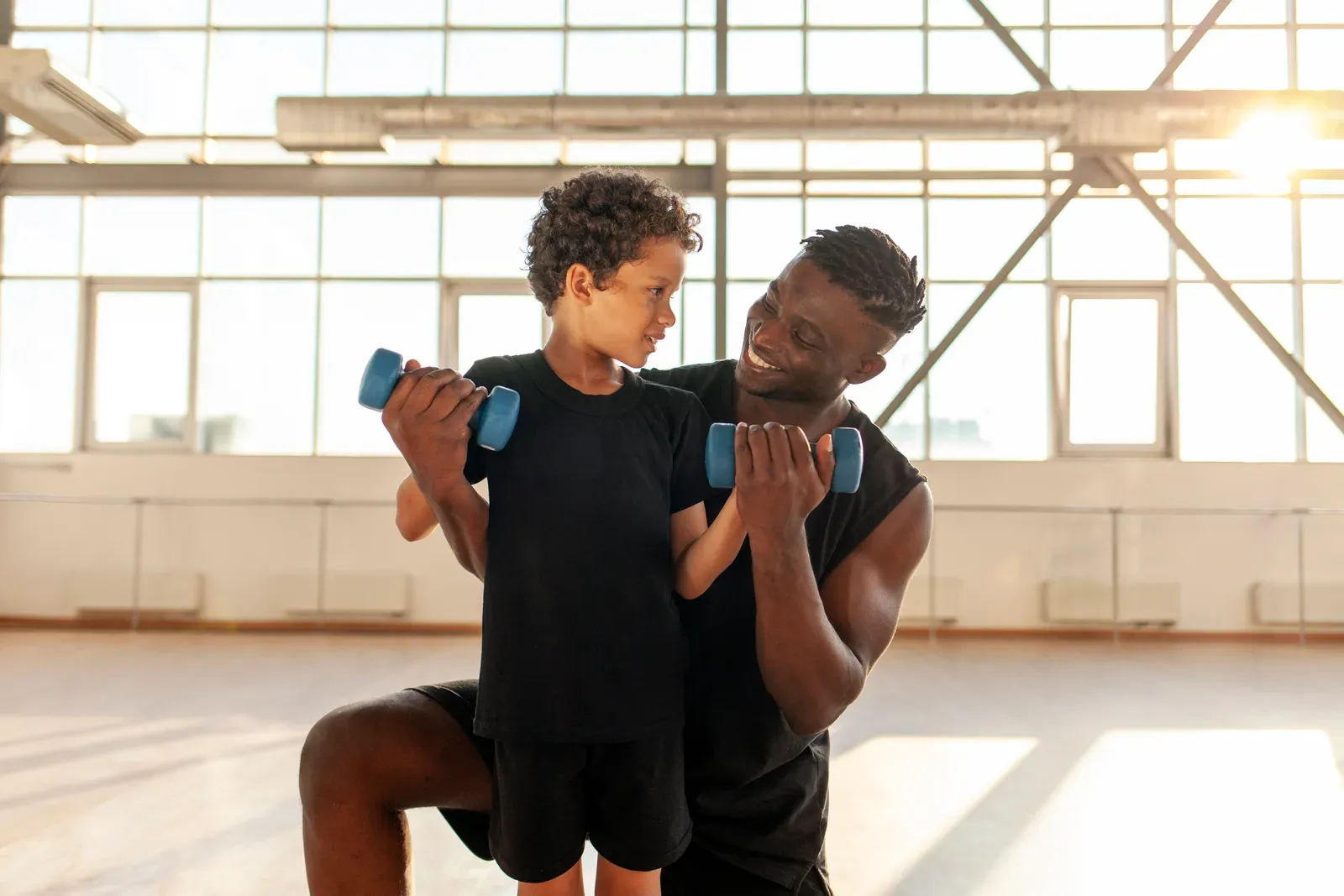
Here is the frustrating position Carmel parents of 11-to-14-year-olds find themselves in: the science says supervised strength training is good for young athletes, and the local fitness landscape makes it nearly impossible to access. Big-box gyms commonly set minimum ages of 13 to 16 and restrict unaccompanied minors, which means the athletes who most need qualified supervision are the ones the industry is least built to serve. A private suite with a one-on-one coach, parent welcome in the room, is the workaround that is actually better than the thing it works around.
The way in is a free consultation, where a coach meets your athlete, runs a free InBody body composition baseline, and talks honestly about what training at this age should and should not be.
What the pediatric guidance actually says
For decades the folk wisdom said children should not lift weights. Pediatric sports medicine guidance has moved decisively past that: properly supervised, technique-focused resistance training is supported for children and adolescents, with benefits for strength, bone development, movement competence, and injury resilience in sport. The consistent caveats are the ones you would guess. Qualified supervision. Technique before load. Progression earned, not rushed. No one-rep maxes for young athletes still learning to move.
Read that list again and notice what it describes: conditions almost impossible to meet on a crowded gym floor, and easy to meet in a private room with a coach whose only job for that hour is your child. The age gates at commercial gyms exist precisely because those facilities cannot provide that supervision. The answer is not to wait until 16. It is to provide the supervision.
What training looks like at this age
A good middle school session would disappoint anyone expecting a hardcore montage, and that is the point:
- Movement patterns as skills. Squat, hinge, push, pull, carry, and land, taught with bodyweight, light dumbbells, and patience. Technique is the curriculum; load is just the test at the end of it.
- Landing and deceleration. Learning to absorb force, jump and stick, decelerate under control, may be the most protective skill in youth sport, and almost nobody teaches it.
- Speed and coordination. Short sprint mechanics, agility patterns, and games that build athleticism during the years the nervous system is most receptive.
- Growth-spurt awareness. A coach tracks the weeks when a growing body temporarily forgets where its limbs are, and adjusts, because loading through a growth spurt requires judgment, not a printed program.
One honest boundary: coaches are not clinicians. Persistent pain, growth-plate concerns, or anything a pediatrician is already watching gets cleared with the physician first, and a good coach trains alongside that guidance without exception.
Why the private suite fits this age group
At FlexWerk in Carmel City Center, every session runs in a reserved private FlexSpace: a lifting rack, cable system, and dumbbells in a room that belongs to your athlete for the hour. For a 12-year-old, that room solves problems a commercial floor cannot. No equipment competition, no audience during the awkward learning reps, no exposure to the worst technique habits on display three racks over, and a parent welcome to sit in, which most families of middle schoolers reasonably want.
The coaching model fits too. More than 40 independent fitness professionals run their businesses here, and FlexConnect matches families with a coach by goals, schedule, and specialty, so you can ask specifically for youth development experience. Sessions book by the hour around school and practice: weekday hours run 5 AM to 9 PM, weekends 7 AM to 4 PM, and the building at 885 Monon Green Blvd has garage parking a short walk away.
In a community this saturated with youth sport, with Grand Park up the road drawing its million-plus visitors a year, the middle school years are when athletic trajectories quietly diverge. The athletes who learn to move well now inherit every benefit later: the high school summer blocks work better, sport-specific programs like soccer strength and conditioning build on a real foundation, and the weight room never becomes the intimidating unknown it is for most freshmen. And for young teens who are not athletes at all, the case is different but just as strong, covered in our guide to personal training for teens.
What progress looks like at this age
Parents used to adult fitness metrics should recalibrate: progress for a middle schooler is measured in movement quality, not personal records. A successful first block looks like a squat pattern that holds its shape under light load, a landing that is quiet instead of crashing, a sprint that starts to look organized, and, maybe most valuable, a kid who walks into a training room like someone who belongs there. Strength numbers rise as a byproduct of doing the skills well, and a good coach resists every temptation to chase them directly. The InBody baseline from the consultation gets re-checked periodically, less to celebrate changes than to keep the whole project honest as the athlete grows.
What this is not: early specialization, year-round intensity, or a shortcut to a scholarship. One or two hours a week alongside normal multi-sport childhood is the whole prescription, and any coach selling more than that to a 12-year-old’s parents deserves your skepticism.
If your middle schooler is ready to learn to train, and the gyms keep saying come back at 16, book the free consultation and meet a coach who will do it properly now.
Related questions
Is strength training safe for an 11-to-14-year-old?
Pediatric sports medicine guidance supports it when it is supervised, technique-first, and appropriately loaded. The documented risks come almost entirely from unsupervised training: bad technique, excessive loads, and horseplay around equipment.
Will lifting stunt my child's growth?
This myth has been examined repeatedly and is not supported by the evidence. Properly supervised resistance training does not damage growth plates; injuries associated with growth cartilage come from misuse, which supervision exists to prevent.
What does a middle schooler actually do in a session?
Movement skills first: squat, hinge, push, pull, and landing patterns with bodyweight and light load, progressed only as technique earns it. It looks less like a powerlifting session and more like athletic PE done perfectly.