
A Menopause-Informed Personal Trainer Near Westfield
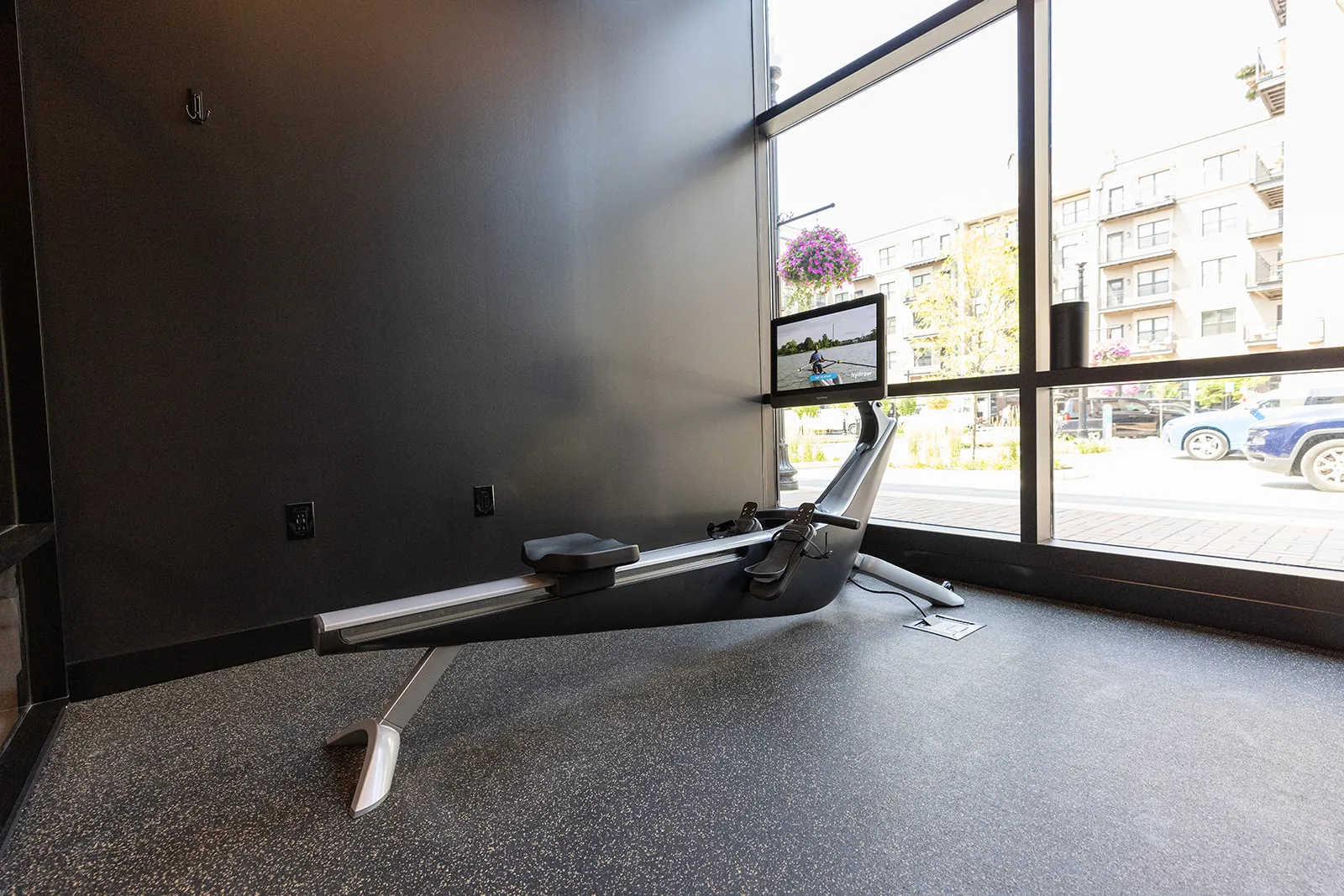
The training that worked at 35 often stops working through the menopause transition, and the fix is not more cardio: it is a coach who programs progressive strength for muscle and bone, takes protein and recovery seriously, and measures body composition instead of trusting the scale. For Westfield women, that coaching runs one-on-one in private rooms about 10 to 15 minutes down US-31; the Westfield personal training page covers the local logistics, and this guide covers what to actually look for.
What changes, and why the old routine stalls
The menopause transition changes the training problem. Declining estrogen accelerates the loss of muscle and bone that aging was already running quietly in the background, sleep gets less reliable, joints get louder, and body fat redistributes toward the middle even when weight holds steady. The routine that maintained you at 35, mostly cardio, a little of everything, stops moving any of those needles, which is why so many women arrive at this stage feeling like their body changed the rules mid-game.
It did, and the response that matches the new rules is specific: progressive strength training as the program’s spine, enough protein to give that training something to build with, recovery treated as part of the program rather than a luxury, and measurement that can see composition change the bathroom scale cannot.
The motivation underneath is worth naming too. In recent industry surveys, 61 percent of exercisers cite living longer and healthier as their main reason for working out, and no life stage makes that motive more concrete than this one. The training that carries a woman well through her 60s, 70s, and 80s gets built now, which reframes the whole project: this is not about chasing a former body, it is about constructing the next one.
What a menopause-informed coach programs differently
The label matters less than the program. Whoever you hire, near Westfield or anywhere else, look for these four commitments:
- Strength progression with real loads. Bone responds to meaningful loading, not to pink dumbbells; the case and the safety framing are covered in strength training for bone density and lifting heavy after menopause.
- Joint-aware exercise selection. Aches are worked around and progressed past, not ignored and not used as a reason to avoid loading forever.
- Protein and recovery as programming, not advice. Session frequency, sleep honesty, and food targets sized to the goal.
- Body composition measurement. An InBody baseline and scheduled re-scans, because at this stage the scale is the least informative number in the building.
None of this requires a specialty facility, but all of it requires a coach who has done it before. In the matching conversation, ask direct questions: how they progress loading for someone starting strength work in midlife, what they adjust when sleep has been poor, how often they re-scan. The answers separate coaches who train midlife women from coaches who merely accept them.
The deep version of this checklist, including how coach matching works, lives in our guide to menopause-informed personal training, and the specific midsection question gets its own honest treatment in menopause belly fat and training.
Where your physician fits
Cleanly and non-negotiably: hormone therapy, bone density scans, sleep disorders, and symptom management belong to your physician; training, habits, and food-as-fuel basics belong to your coach. A good coach asks what your doctor has said, works alongside that guidance, and sends medical questions back where they belong. If you have a medical condition or new symptoms, have that clinical conversation before the first session, and keep both relationships running in parallel; the combination is the point.
Why the private room matters at this stage
Learning barbell work at 52 is a skill-acquisition project, and skill acquisition goes badly in front of an audience. Every session here runs in a reserved private FlexSpace: one coach, a closed door, the rack and cables and dumbbells inside the room, your music and lighting. No gym-floor crowd, no waiting, no performing. For many women, the private room is not a premium extra; it is the reason training finally sticks after years of lapsed memberships.
The privacy extends to the measurement side. Body composition conversations are personal, and having the scan, the numbers, and the discussion happen in a private room with one coach, rather than at a front desk, changes how honestly those conversations go. The scale conversation most women have been dreading becomes a data conversation instead.
Matching helps in the same direction. FlexConnect pairs you from more than 40 independent coaches, and midlife women should say exactly what they want: a coach who trains women through this transition, takes joints seriously, and programs strength without machismo.
Starting from Westfield
Call it 10 to 15 minutes down US-31 for most Westfield addresses, with garage parking a short walk from the door at Carmel City Center. Hours run 5 AM to 9 PM weekdays and 7 AM to 4 PM weekends, so early sessions before work, school-hours slots, and Saturday mornings all fit around a real calendar.
The way in is a free consultation with a free InBody body composition scan: a measured starting point, an honest conversation about symptoms, goals, and what your physician has said, and a coach match built on all of it. Coaches set their own rates by format and goals, so pricing questions get real answers there too, for your situation rather than a hypothetical one. If the last few years have felt like the rules changed, book the consultation and start playing by the new ones.
Related questions
Is it too late to start lifting after menopause?
No. Muscle and bone respond to progressive strength training at every age, and women who start in their 50s and 60s see real, measurable gains. The right starting point is wherever you actually are, which is what the baseline assessment establishes.
Will strength training fix the belly-fat shift?
No honest coach promises spot reduction. What training reliably changes is body composition, more muscle and less fat over time, which re-scans can measure even when the scale barely moves. The midsection shift responds to that whole-body change, not to ab work.
Do I need my doctor's clearance before starting?
If you have a medical condition, take prescription medications, or have new symptoms, yes, talk to your physician first. Either way a good coach works alongside your clinical care, and your doctor stays the authority on everything medical.