
InBody Low Muscle, High Fat: The Plan for a C Shape Result
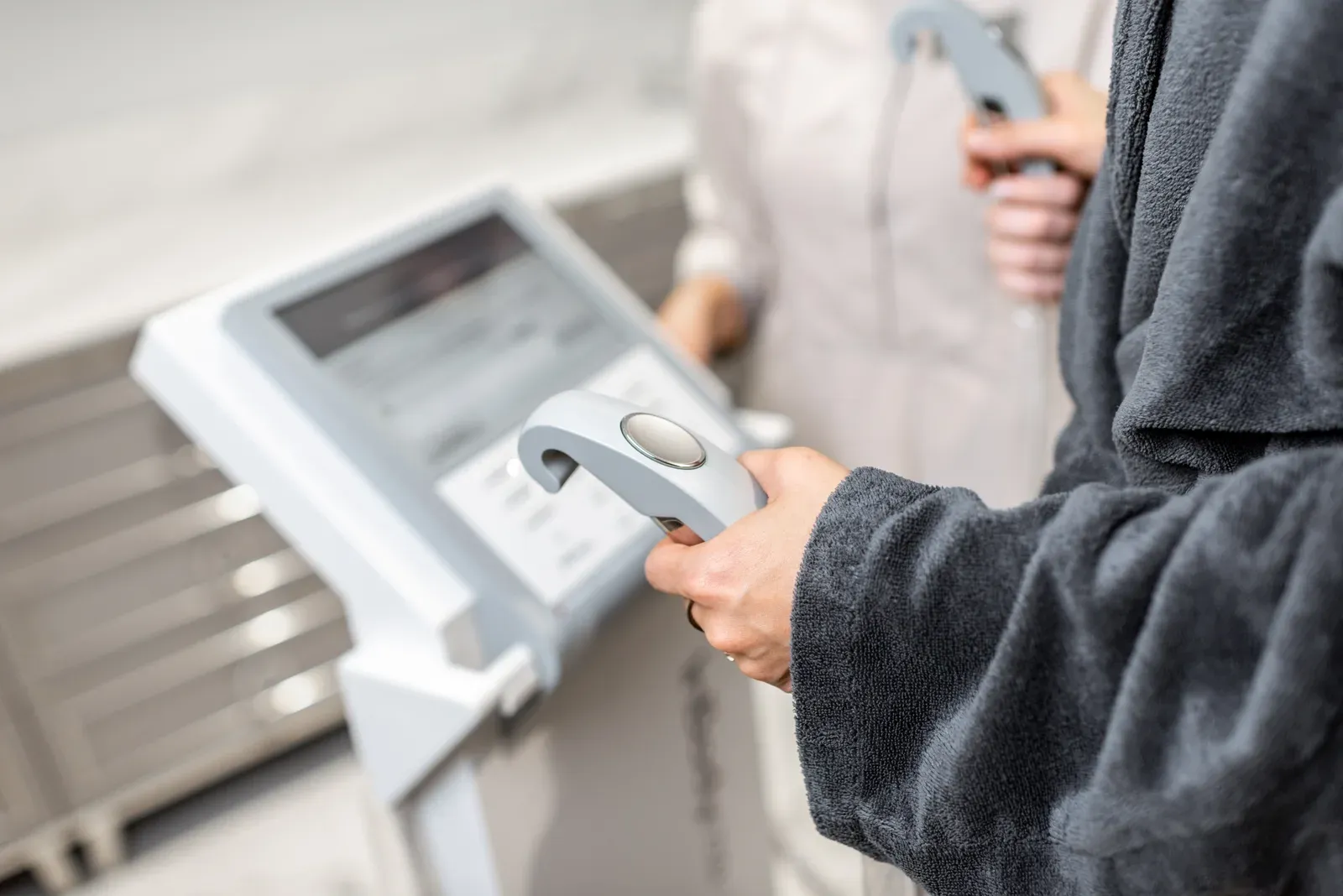
An InBody result with low muscle and high fat, often drawn as a C shape, means your body weight holds less skeletal muscle and more fat than the reference for someone your height and sex, and it responds well to a plan that builds muscle while trimming fat. The plan has four parts: lift with progression, eat protein at every meal, hold a small calorie deficit and rescan on a schedule. If you want help reading your own sheet, a free consultation with a coach is a simple place to bring it.
What the result is telling you
The InBody Muscle-Fat Analysis plots three bars: weight, skeletal muscle mass and body fat mass, each as a percentage of a reference for your height and sex. In a C shape, the middle bar, muscle, is shorter than the top bar, weight, while the bottom bar, fat, is longer. Our guide to C, I and D shapes explains each letter.
The point is not the letter. It is the gap. Low muscle plus high fat describes a body where pounds are made of the wrong mix. People with this result often have a normal-looking scale weight, and the mirror disagrees with the number. That is the pattern described in skinny fat at 40, which also applies to women.
Why it is more fixable than it feels
Untrained muscle responds fast to lifting, and carrying extra fat gives your body energy to build with. Beginners often gain muscle and lose fat at the same time, which the page on body recomposition covers in detail. A low muscle starting point is the best case for it.
Common reasons people land here include years of desk work, cardio without lifting, past crash diets that stripped muscle, aging, a long illness or a stretch of low protein. None of those is a verdict.
The 12 week plan
Think of the first 12 weeks in three phases. They echo the Reset, Build and Refine phases of a phased coaching system, but you can follow them alone.
| Weeks | Focus | What to do |
|---|---|---|
| 1 to 4 | Reset | Learn the lifts, set a protein habit, eat near maintenance or a small deficit, walk daily |
| 5 to 8 | Build | Add load each week, keep protein high, hold a modest deficit, two or three lifting days |
| 9 to 12 | Refine | Push the main lifts, tidy the food plan, rescan and set the next block |
The lifting
Three full-body sessions a week work for most beginners. Include a squat or leg press, a hinge, a push, a pull and a carry. Use sets that end with one or two reps left, and add a little weight or a rep every week or two. Log every session, since strength going up is the first sign that muscle is coming.
The food
Aim for 0.7 to 1 gram of protein per pound of goal body weight, a commonly cited range, spread over three or four meals. Keep the deficit small, about 250 to 400 calories under maintenance, because a big cut puts the muscle you want at risk. If you have kidney disease or take certain medications, your physician sets your protein target.
The daily movement
Walk 7,000 to 10,000 steps if you can, or build toward it, and keep most of that easy. Cardio is helpful, but it should not push out your lifting.
Mistakes that keep a C shape stuck
Most stalled C shapes come back to five habits:
- Starving first. A harsh diet with no lifting shrinks muscle further, so the shape stays a C at a lower weight.
- Cardio only. Hours on a treadmill build stamina, but they do little to raise the muscle bar.
- Light weights forever. If every set ends with ten reps to spare, the muscle has no reason to grow.
- Random scanning. Scans at different times of day and hydration levels produce a zigzag that proves nothing.
- Quitting at week six. The early weeks move strength and habits first, and the body changes arrive after.
A fix for each is simple: lift with progression, eat protein, keep the deficit small, scan under matched conditions and hold the plan through the full twelve weeks before judging it.
What to aim for at week 12
Targets should be about direction, not a promise. A reasonable first read looks like this:
- Skeletal muscle mass is stable or up by a pound or two.
- Body fat mass is down by several pounds, depending on the starting point.
- The main lifts are noticeably heavier than in week one.
- Waist and clothes fit are moving in the right direction.
If your scale weight barely moved while the bars shifted, that is a good result. Our guide to skeletal muscle mass ranges shows how to read the muscle bar, and a complete walk-through of the report covers the rest of the numbers.
How to rescan so the numbers mean something
Scan under matched conditions: same time of day, no heavy workout beforehand, a similar level of hydration and no large meal right before. A rescan every four to six weeks is the usual rhythm, as the page on how often to rescan explains. Changes of a pound or two between scans can be noise.
If a scan looks worse, check conditions first. Then check training attendance, protein and sleep. Only then change the plan.
When to bring in a clinician
Share your result with your physician if you have unexplained weakness, fast unintended weight loss, swelling in your legs, a thyroid or kidney condition, or you are on medications that affect weight. A body scan helps start the conversation, but it does not diagnose anything.
Where a coach fits
A coach can set the lifts, adjust the pace and read the next scan with you. FlexWerk in Carmel offers a free consultation that includes an InBody scan, and a first session free. Coaches there set their own formats, so ask how they handle check-ins and rescans. Bring your report, your calendar and a list of any aches or injuries, and plan your first rescan date before you leave.
Related questions
Should I diet or build muscle first?
For most people with this pattern, both at once: lift with progression, eat plenty of protein and run a small deficit. A hard diet first tends to cost more muscle, which makes the shape worse.
How fast can a C shape change?
Many people see the muscle bar move up and the fat bar move down within 12 weeks of consistent work, though the size of the change varies widely. A single scan can mislead, so look at the trend.
Is a low muscle result a medical problem?
A scan is not a diagnosis. If you have unexplained weakness, rapid weight loss or a medical condition, talk with your physician, and share the report with them.