
Functional Fitness Training in Carmel: Strength You Actually Use
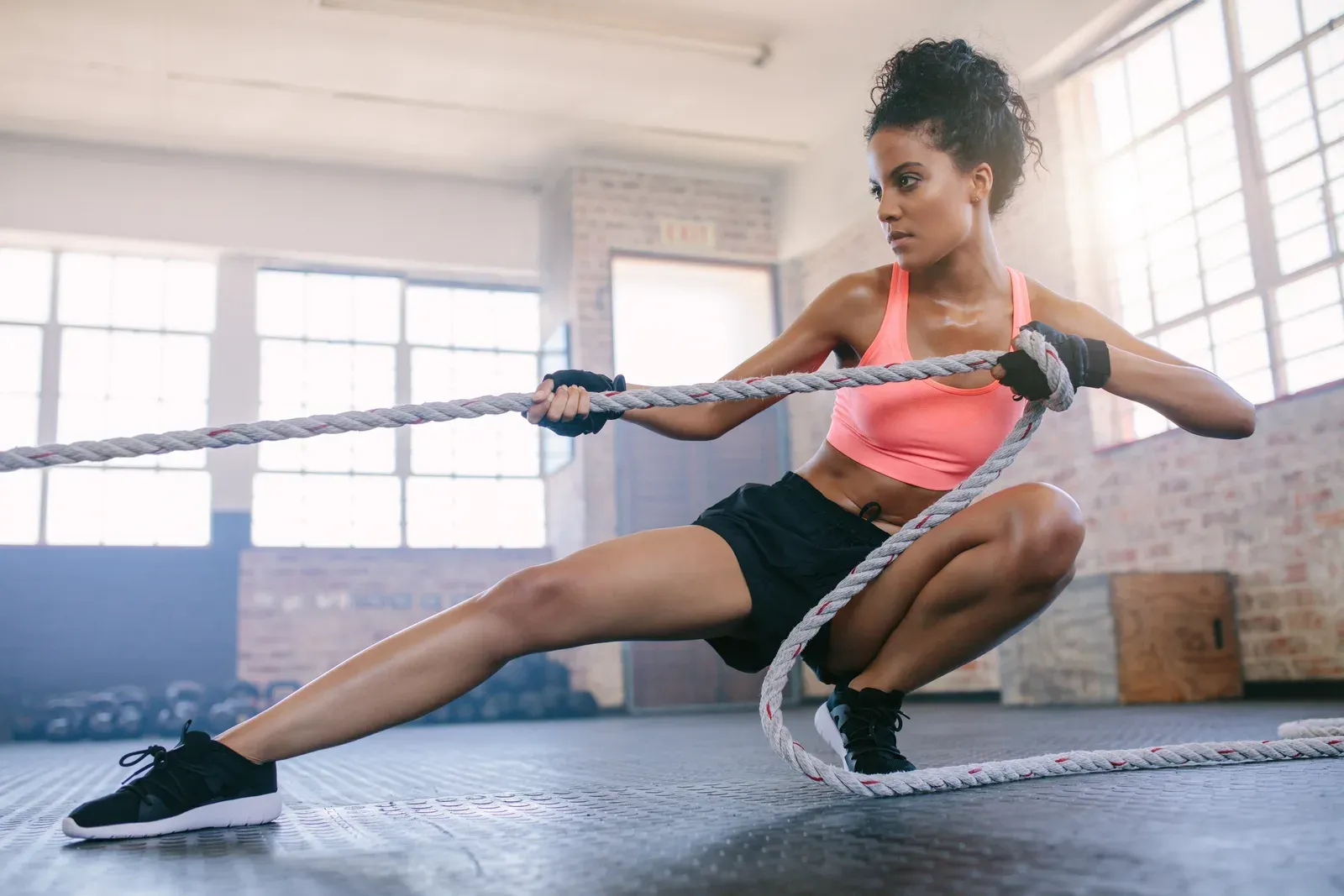
Real life keeps a short list of demands: pick heavy things up, carry them, climb the stairs, get off the floor. Functional fitness training treats those everyday movements as trainable skills, loading the exact patterns your life uses so that groceries, luggage, yard work, and grandkids all get lighter. Here is what that looks like coached one on one in Carmel, and how to tell substance from the wobble-board version.
What functional training actually is
Strip the marketing and functional training is pattern-based strength work: squat, hinge, push, pull, carry, and get up, loaded progressively. The local, practical version is this: instead of training muscles in isolation, you train the movements your week already demands, so strength shows up where you spend it.
That deserves saying because the label gets abused. Circus-trick balance drills and random object flipping wear the functional badge while training nothing your life asks for. The test is simple: a functional exercise should trace to a real demand. A loaded carry traces to hauling mulch bags and car seats. A single-arm press while kneeling on an inflated ball traces to nothing.
The honest starting point is finding your weak link, because everyone has one: the hinge that became a back-rounding stoop, the single-leg strength that stairs quietly measure, the grip that gives out before the suitcase reaches the car. At FlexWerk that discovery happens at the free consultation, where a movement conversation and a free InBody body composition scan set the baseline, and it feeds directly into how coaches build all personal training in Carmel programs.
The patterns, translated to your week
A coached functional program in a private suite works through a familiar list with unfamiliar precision:
- Squat and get-up. Chairs, car seats, and the floor itself. Getting up off the ground easily is one of the most honest fitness tests there is, and it responds fast to training.
- Hinge. Every box, bag, and toddler lifted from the ground. Trained with deadlift variations and swings; the kettlebell earns a special mention here, covered in our kettlebell trainer guide.
- Carry. Farmer carries build the grip, posture, and trunk endurance that turn two-trip grocery hauls into one. Also the most Carmel-specific pattern on the list: shoveling a winter’s worth of snow, about 22 inches in an average year, is hinge and carry work whether you trained for it or not.
- Push, pull, and rotate. Doors, dogs on leashes, overhead bins, backing out of the driveway. Cable work shines for the rotational pieces.
Parents get a bonus use case. A weekend at Grand Park with team gear, coolers, and folding chairs is a loaded-carry event, as thousands of Hamilton County sports families can confirm.
Why coached and private beats a class
Functional training rewards precision more than most styles because the whole premise is matching exercise to individual need, and a room of twenty gets a room-of-twenty program by definition. If you want the format’s full plain-language definition before going local, our explainer on what functional fitness is covers the generic version; this page is about what it looks like when a coach builds it around one specific Carmel life. One on one, your coach screens how you actually move, finds the pattern that limits you, and spends your hour there. Progress is also measured in the terms that matter, more weight carried farther, a smoother get-up, stairs that stopped being a decision, rather than a class leaderboard.
The reserved suite sharpens the same advantage. Carries need clear floor space that crowded gyms rarely offer; get-up practice invites stares that private rooms delete. Your room comes with a lifting rack, cable system, and dumbbells, your music, and nobody to route around mid-carry. And because more than 40 independent professionals work from the Carmel City Center suites, FlexConnect can match you to a coach whose specialty is exactly this kind of everyday-strength programming.
A typical first month makes the method concrete. Session one is mostly watching: how you squat to a box, how you pick a light weight off the floor, how far you can carry two moderately heavy dumbbells before your posture folds. Sessions two through eight then load whichever of those told the truest story, patiently, with the coach adjusting range and weight rep by rep. Nothing about it photographs well, and everything about it transfers, which is roughly the opposite of how trend workouts are built.
If joints are the thing making everyday movement hard, functional work layers cleanly with the approach in low impact personal training; the two philosophies share a spine. The reservation model helps here too: with weekday hours from 5 AM to 9 PM and weekend hours from 7 AM to 4 PM, the session lands where your week has room, and the room is reserved and ready when you are.
Strength that shows up outside the gym
The payoff structure of functional training is unusual: the wins land in your ordinary week, often within the first couple of months. The suitcase into the overhead bin without a silent negotiation. The full water softener bag down the basement stairs. A Monon Trail walk that ends because you were done, not because you were tired. Small, unglamorous, and worth more than any gym number.
The seasons here even provide the test schedule. Spring hands you mulch bags and garden beds, summer stacks coolers and yard games through the humid stretch, fall is weeks of raking and leaf bags, and winter delivers its shoveling exam whether or not you studied. People who train the patterns stop noticing these as events; they become errands again, which is the entire promise of the word functional kept literally.
If your goals sound like life, not lifts, book the free consultation and tell your coach exactly what you want to be strong for.
Related questions
Is functional training enough, or do I still need regular strength work?
They are the same thing done with intent. Functional programs are built from squats, hinges, presses, pulls, and carries under progressive load; the label describes the goal, not a different kind of exercise.
Is functional fitness only for older adults?
No. Athletes, busy parents, and desk workers all run functional programs; only the loading changes. The pattern list is the same because life demands the same movements at every age.
How is this different from a group functional class?
Private functional training screens how you move first, then loads the patterns you specifically need at your pace. A class delivers the same circuit to everyone regardless of their weak links.