
Low Impact Personal Training in Carmel: Progress Without Pounding
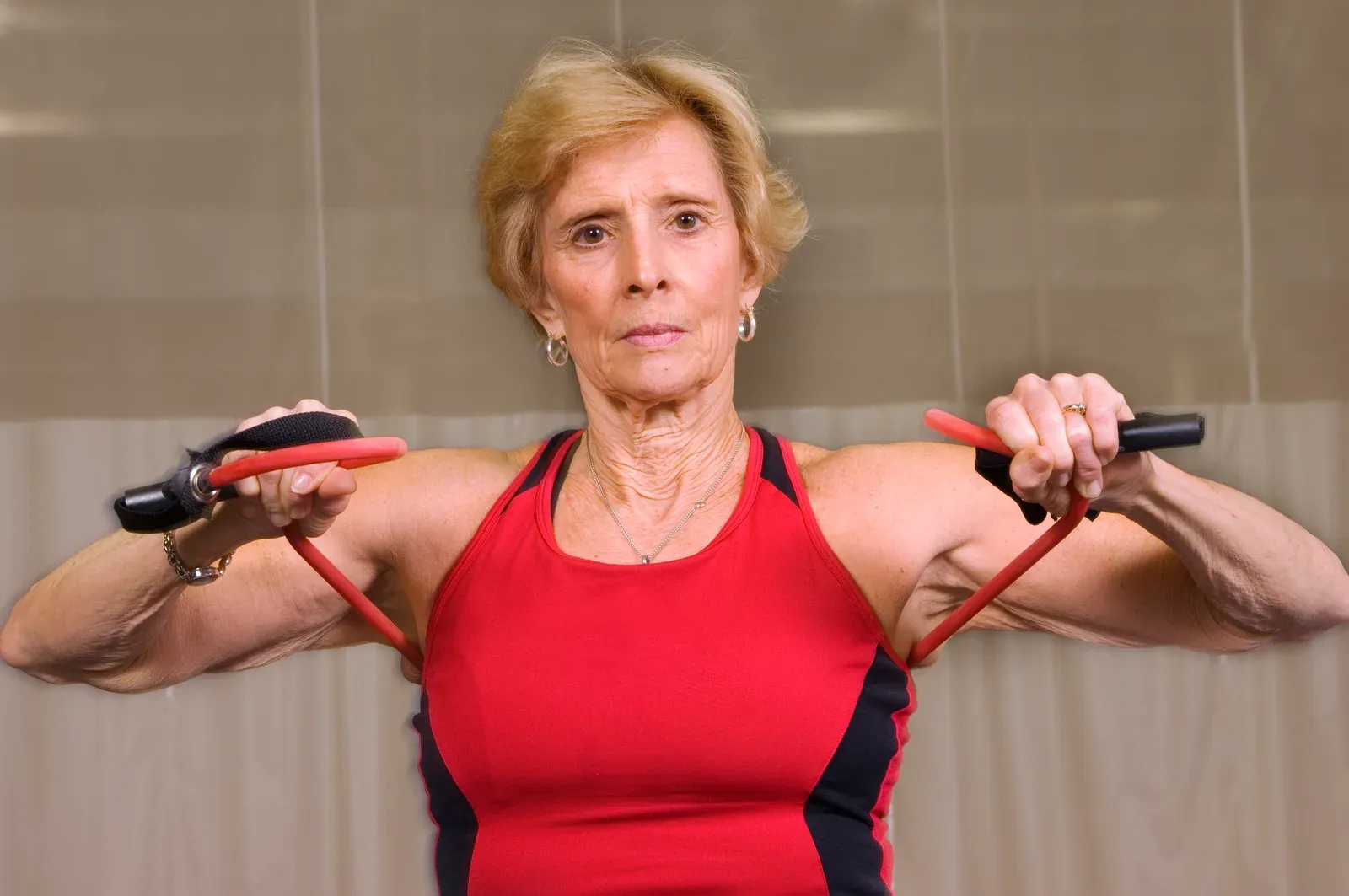
Achy knees, a touchy hip, a back that punishes bad mornings: none of these mean training is over. Low impact personal training builds real strength and conditioning while managing the forces your joints absorb, and coached one on one, it is usually the difference between working around a joint and giving up on it. Here is how that looks in Carmel, and who it genuinely fits.
What low impact actually means
Low impact manages force, not effort. The label covers work where neither foot strikes the ground hard: strength training with controlled tempo, rowing, vertical climbing, incline and curve walking, cable and dumbbell circuits. What it does not mean is easy. A rowing interval session or a heavy set of split squats is low impact and genuinely hard, which is the point: your heart, muscles, and bones still get the stimulus they need while your knees skip the pounding.
The distinction that matters most: impact is not the same as load. Jumping is impact; a controlled goblet squat is load. Most aching joints tolerate load far better than impact, and load is precisely what builds the muscle that protects those joints long term. A blanket “take it easy” is usually the worst advice an achy knee can get.
One boundary belongs up front. If a joint is swollen, unstable, or hurts at rest, that is a physician or physical therapist conversation before it is a training one. Coaches build strength alongside your clinical team, not instead of it, and at FlexWerk that history conversation starts at the free consultation, which includes a free InBody body composition scan and an unhurried talk about what your body has been through. It is the same intake that anchors all personal training in Carmel, just with the joint story at the center.
What a joint-friendly program looks like
A coached low impact program typically stands on four legs:
- Strength through friendly ranges. Squat, hinge, push, and pull patterns loaded in the ranges your joints accept today, expanded patiently over months. Tempo control does a lot of quiet work here.
- Cardio without collisions. The dedicated cardio suites hold rowing machines, vertical climbers, and curved treadmills, all hard-work options with no ground strike. The climber’s case is made in our vertical climber guide.
- Trunk and hip stability. Bracing and anti-rotation work that improves how forces route around the spine, close cousin to the material in core strength training in Carmel.
- Progression on purpose. The plan gets harder as tissues adapt. Low impact done right is a ramp, not a plateau.
If your history includes a formally diagnosed back issue, the longer story in training with a back pain history covers how coaches program after clearance.
Expect the program to be reviewed constantly rather than set once. Joint-friendly training runs on feedback: which movements felt fine, which grumbled the next morning, what changed after a better week of sleep. Coaches adjust exercise selection and range session by session based on those reports, which is something a printed plan or an app template structurally cannot do. Over a few months the reviews get boring, because fewer things grumble, and boring is the goal.
Why the private room helps sore joints
Modifying exercises on a crowded gym floor is socially harder than it sounds; plenty of people push through movements they should have swapped because swapping felt conspicuous. In a reserved suite there is no audience, so the program can be exactly as modified as it needs to be. The room also removes hurry: no one is waiting for your rack while you take the longer rest a cranky knee prefers, and your coach can slow a set to a crawl to groove a pattern without an impatient queue forming.
Consistency logistics matter too. Winter is when joint-friendly training in Carmel earns its keep, with January highs around 33 degrees making sidewalks and the Monon Trail unreliable for months; an indoor reserved room with weekday hours from 5 AM to 9 PM keeps the routine alive until spring walking weather returns.
Who this fits
The honest audience is wide: adults over 40 whose joints vote louder than they used to, people carrying extra weight who find impact miserable, anyone returning after physical therapy has ended, and lifelong exercisers managing an old injury that never fully left. It also quietly includes plenty of former runners and court-sport players who assumed hard training ended when the pounding stopped agreeing with them; it did not, it just changed shape. FlexConnect matches you with one of the more than 40 independent coaches at Carmel City Center by goals, schedule, and personality, and coaches who specialize in joint-considerate programming are exactly the kind of fit the matching exists to find.
What low impact training is not: a permanent bubble. For many people it is a season, the on-ramp that rebuilds capacity until impact stops being scary. For others it is simply the sustainable way to train for decades. Both are wins, and the InBody rescans keep the story honest either way: muscle trending up and body fat trending down look exactly the same on the report whether the work that produced them pounded the floor or never left it.
If your joints have been writing checks your workouts refuse to cash, book the free consultation, bring your history, and let a coach show you how much progress pounding-free training can hold.
Related questions
Is low impact training still effective for weight loss?
Yes. Calorie burn comes from muscle working, not from feet striking the ground. Rowing, climbing, incline walking, and strength circuits all produce hard, productive sessions with no pounding.
Does low impact mean low weight?
No. Impact and load are different things. Controlled strength work can and should get progressively heavier, because load is what builds the muscle and bone that protect joints.
When should I see a doctor instead of a trainer?
If a joint is swollen, unstable, or painful at rest, or pain is new and unexplained, start with your physician. A trainer's job begins after clearance: building strength around what your clinician has assessed.