
Fitness Center in Carmel, IN: Types and How to Choose
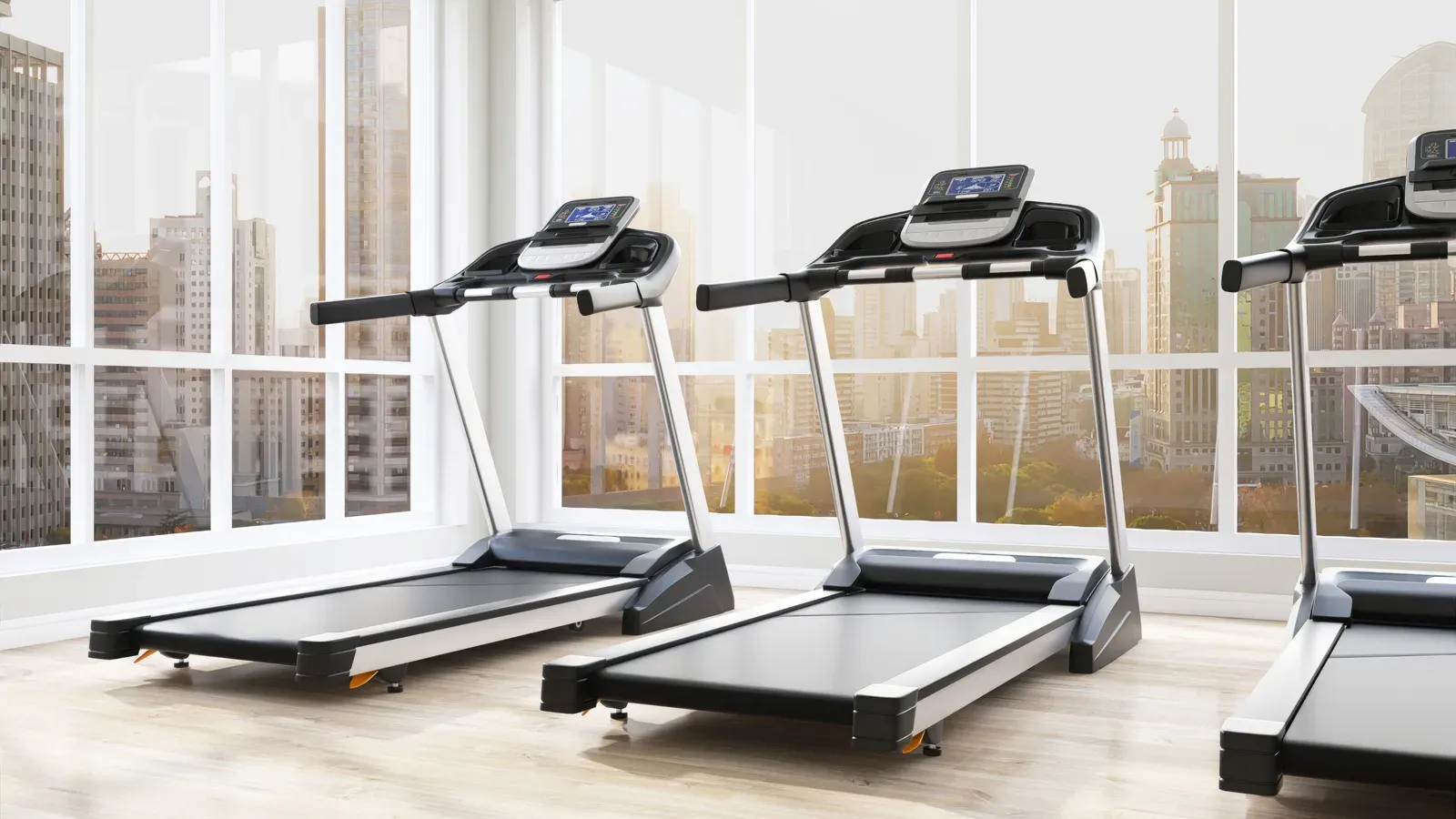
Fitness centers in Carmel, IN fall into five types: large clubs, boutique studios, community and recreation centers, functional-fitness boxes and private training suites, and the quickest way to choose is to match the type to your biggest constraint. Price points to a large club or a community facility. Energy and belonging point to a studio or a box. Privacy and individual coaching point to a private suite. This guide gives one question to ask for each type. For the full local picture, see Carmel’s gym landscape in 2026. If coaching or privacy is on your list, a free consultation shows you a suite.
Large clubs: the question is “will I go?”
Large clubs sell broad equipment access, long hours and amenities at a monthly price that is often lower than other types. They suit self-directed exercisers who know their program and attend without outside pressure.
Ask: how busy is it at the exact hour I will come, and what is the real total after fees? A tour at 5:30 PM tells you more than one at noon. The first-year cost check shows how to compare totals.
Fits: people who already train consistently. Poor fit: anyone who has joined and drifted away before.
Boutique studios: the question is “does the format fit my goal?”
Studios sell a produced class experience with an instructor, music and a schedule. People like the structure and the friends they make. The trade-off is that workouts are built for the room, not for you, and per-class costs add up with frequent attendance.
Ask: how are workouts scaled for different levels, and what is my monthly cost at the attendance I really expect?
Fits: people who need energy and a social reason to show up. Poor fit: people with a specific goal, an injury history or a strength focus.
Community and recreation centers: the question is “what is open to me?”
Municipal and community facilities often offer low prices, pools, courts and classes, and they are a strong value for families. Equipment and coaching vary, and peak hours get crowded.
Ask: what is included in the base price, and what costs extra?
Fits: families, casual exercisers and budget shoppers. Poor fit: anyone who needs individual programming.
Functional-fitness boxes: the question is “who coaches the class?”
These offer coached group training with barbells and a tight community. Quality depends on the coaches, so vet the people and not the brand.
Ask: how do you scale a workout for someone with a stiff shoulder or a long layoff?
Fits: people who thrive on group energy. Poor fit: bodies that need the workout adapted to them, since the format shares programming.
Private training suites: the question is “do I want a coach?”
A private suite is a room you and a coach have to yourselves. At FlexWerk Carmel, suites sit at City Center, steps from the Monon Trail, and they rent by the hour through an app with no lease or membership, which means each coach sets their own terms and rates. A standard suite is 150 square feet for one or two guests, and a larger one takes up to four. Cardio suites hold rowers, a CLMBR and curved treadmills.
Ask: which coach suits my goal, and what is their format and availability?
Fits: people who want one-on-one coaching, privacy and no crowd. Poor fit: shoppers who want equipment access alone at the lowest price. More on what “private” means locally is in private gyms in Carmel.
What the five types do not tell you
A type is a starting point, not a verdict. Two clubs can feel nothing alike, and the same studio can feel different at 6 AM and at 6 PM. Three things cut across every type, and they are worth checking whatever you choose.
The contract. Ask for the written terms before you tour twice. Look for auto-renewal, notice periods and fees to leave. Indiana’s health spa law gives a buyer a short cancellation window after signing, which is useful to know, though it is no substitute for reading the contract. This is general information, not legal advice.
Your real hour. Parking, crowds and class times change a good gym into a hard one. Visit when you would actually go, and note how easy it is to get in the door. Carmel’s commute averages about 26 minutes, so a location that adds friction to your day is a hidden cost.
Your honesty about habit. The best center on paper fails if you stop going. Be frank about what has worked for you before. If you thrive on appointments, a booked session beats an open-door membership. If you thrive on freedom, the opposite is true.
The cost question, by type
Prices vary widely and change, so use ranges and your own quotes. Large clubs and community centers tend to sit at the low end for access. Studios charge per class or per month and climb with attendance. Coached training in the area typically runs $40 to 70 per hour on commercial floors and $75 to 125 or more in private settings, according to industry surveys. These are area averages, not anyone’s price list. For a real number from a FlexWerk coach, ask at the consultation, since each coach sets their own rates.
A quick matching table
| Your biggest constraint | Likely type |
|---|---|
| Lowest cost | Large club or community center |
| Energy and community | Studio or functional box |
| Individual coaching | Private suite |
| Privacy | Private suite or home |
| Family access | Community center or family plan |
How to choose in three steps
- Name your constraint. Price, coaching, privacy, community or convenience.
- Visit at your real hour, and ask the type’s question.
- Run the cost check, including fees, add-ons and the cost to leave.
A longer decision checklist is in how to choose a gym, and fitness center vs gym vs health club explains how the terms differ.
Where to start
If coaching or privacy is on your list, a free consultation at Carmel City Center lets you see a suite, meet a coach and get a free InBody scan, with nothing to sign. If equipment access is all you need, the other types will serve you better, and we would rather you know that now.
Related questions
What is the difference between a fitness center and a gym?
The terms overlap in everyday use. A fitness center often suggests a broader mix of equipment, classes and services, but the label does not tell you what you will get.
How do I compare fitness centers without joining each one?
Take a tour at your real hour, ask for a trial pass and run the first-year cost check. Many places offer a short free visit.
Where does FlexWerk fit?
FlexWerk is a set of private training suites for coached sessions, not a membership club. It suits people who want one-on-one training in a private room.