
Fitness Center vs Gym vs Health Club: What Differs
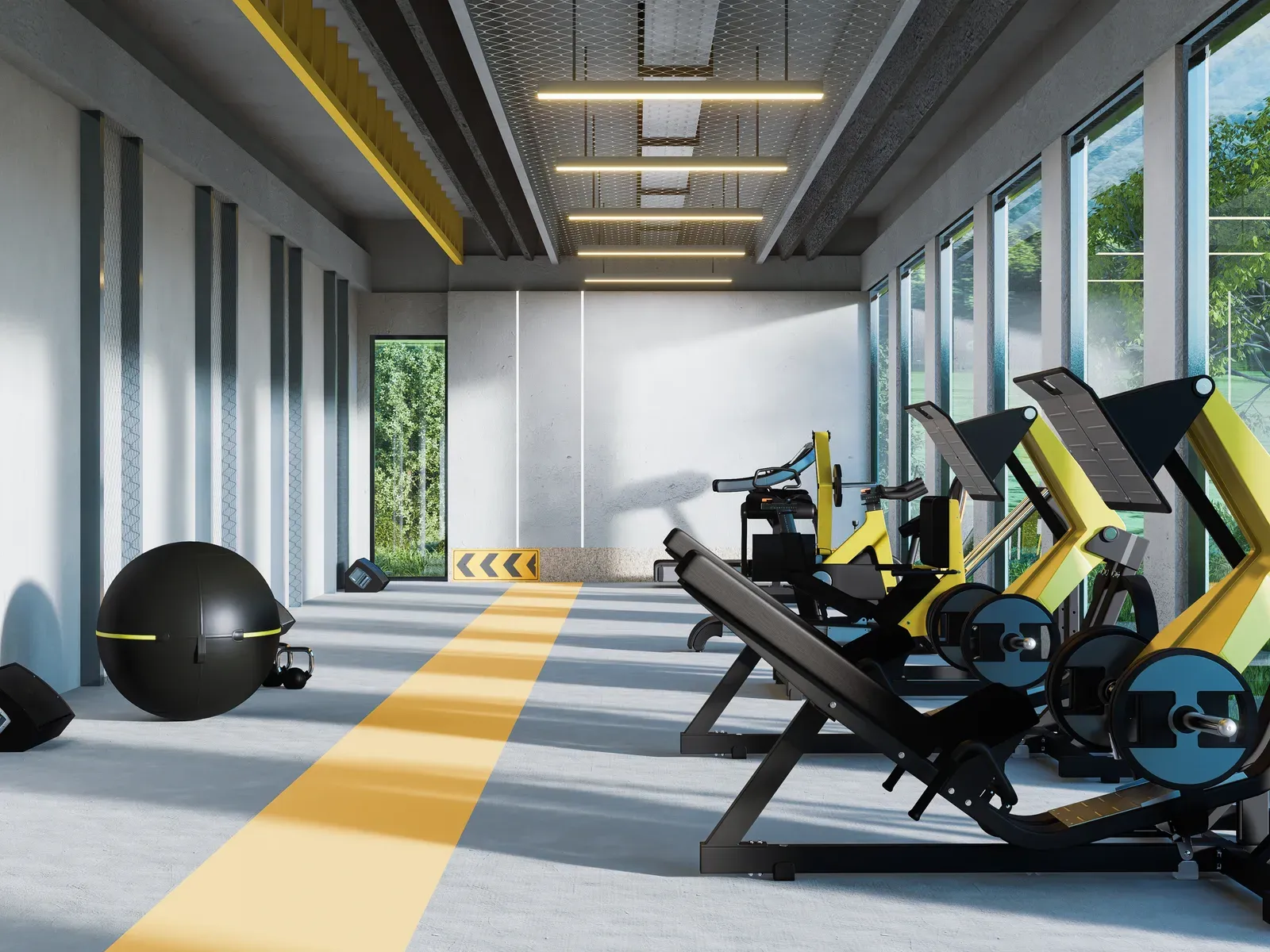
A gym, a fitness center and a health club are three labels for places to exercise, and there is no legal or industry rule that separates them: in everyday use, a gym focuses on weights and cardio equipment, a fitness center adds structured programs, and a health club adds social and wellness extras. The name matters less than what is inside. For a quick way to test any facility against your own needs, a free consultation can sort your priorities before you tour.
Why the words blur
The terms come from marketing and habit. “Gym” is short, informal and tied to equipment. “Fitness center” sounds more modern and is common in corporate, hospital-adjacent and municipal settings. “Health club” is older, associated with a fuller amenity list. Owners choose whichever they think suits the brand, so two places with the same name can offer very different things.
How each label is usually used
| Label | Usually implies | Common examples of what to expect |
|---|---|---|
| Gym | Training floor first | Free weights, machines, cardio, a lifting area |
| Fitness center | Structured, program-led | Equipment plus group classes, assessments, sometimes coaching |
| Health club | Broader lifestyle facility | A larger amenity list, social areas, family or wellness services |
Treat the table as a tendency, not a definition. The sign tells you the owner’s positioning; the amenity list tells you what you will get.
What you should compare instead
Ignore the label and compare these concrete items:
- Equipment mix and quantity. How many racks, benches, cardio machines.
- Programs. Group classes, onboarding, assessments.
- Coaching. Who provides it, and at what cost.
- Hours. When it opens, and whether access is staffed.
- Crowding. How busy it is at your hour.
- Fees and terms. What you pay, and how you leave.
- Atmosphere. Social, serious, quiet, family-oriented.
For a full list of questions to carry on a visit, read how to choose a gym and questions to ask on a gym tour.
The wider set of options
Beyond the three labels sit other models that shoppers often miss:
- Boutique studios that sell a single class format.
- Community and recreation centers with broad facilities at a modest cost.
- Functional-fitness boxes with coached group sessions.
- Strength-only gyms that skip the extras, discussed in strength-only vs full-service.
- Private training suites with a reserved room and a coach.
- Home gyms, covered in home gym vs gym membership.
Our broader Carmel gym landscape for 2026 maps these against local needs without naming businesses.
Reading a facility’s website honestly
Marketing pages use the same phrases everywhere: state-of-the-art, full-service, premier. Skip them and look for countable facts. How many racks? How many cardio machines? What are the staffed hours? Which classes are included in the base fee and which cost extra? Is there a published cancellation process? A site that lists these plainly is easier to trust than one that leans on adjectives.
A second check is the photo test. Look at who appears in the pictures and what the floor looks like, then compare to the visit you make. Stock photos of an empty floor tell you nothing about the 6 PM reality, so go and look.
Words that often signal extras
- “Club” often signals a larger amenity list and a higher fee, with the social side included.
- “Studio” usually signals a class-led format with a narrower focus.
- “Center” is common for community and institutional sites, where hours and programs are set by a larger organization.
- “Training” or “performance” in the name often points to coached or lifting-focused work.
None of these is a promise. They are hints to check against the facility’s own amenity list.
Who each type tends to suit
A gym suits the self-directed exerciser who wants equipment and a low fee. A fitness center suits someone who wants structure, such as an orientation, assessments or classes under one roof. A health club suits a household that wants several services in a single membership and values the social side. A private suite suits the person who wants a reserved room, a plan and no audience.
What the label means for price
Higher-amenity facilities usually cost more, because you pay for the space and services whether you use them or not. Cost depends on fees and attendance, so run the cost per visit before you compare names. Gym memberships in Carmel breaks down typical costs by type, and cost per visit gives the formula.
Where FlexWerk fits
FlexWerk in Carmel City Center does not match any of the three labels. It is a set of private training suites, booked by the hour through the app, with no membership. Each suite has its own equipment, and FlexConnect matches clients with coaches. A coach sets their own terms and clients of coaches receive free guest access. If you want a social floor, classes and a busy atmosphere, a health club or a fitness center is the better fit; if you want a reserved room and a plan, a suite is. Our guide to a private gym in Carmel explains the format.
A short vocabulary check
Shoppers also run into related words that point to other models. “Wellness center” often means a facility tied to a larger organization with a clinical or community side. “Athletic club” tends to suggest courts, teams or a social membership. “Training studio” usually means a smaller room with coaching. When you see an unfamiliar label, ask the same two questions every time: what do I get for the base fee, and what costs extra? The answers will tell you more than any name, and they make comparing places far simpler.
How to decide
- Write the three things you will do most often at a gym.
- List which facilities offer those three things at your hour.
- Visit the top two, ignoring the label.
- Compare total cost per visit.
- Pick the one you would still use in a busy week.
When you are ready to see how a reserved room compares, the free consultation includes a free InBody body composition scan and a conversation about your goals.
Related questions
Is a fitness center the same as a gym?
Often, yes. Many places use the two words interchangeably, but fitness center sometimes signals a more structured facility with classes, assessments or a wider mix of services.
What makes a health club different?
The term traditionally suggests a fuller, often more upscale facility with social spaces, group programs and wellness services beyond the training floor. It is a marketing convention, not a rule.
Where does a private training suite fall?
It does not fit any of the three cleanly. It is a reserved room for training, usually with a coach, and it trades the amenities for privacy and control.