
How Should Wrestlers in Carmel Approach Strength Training?
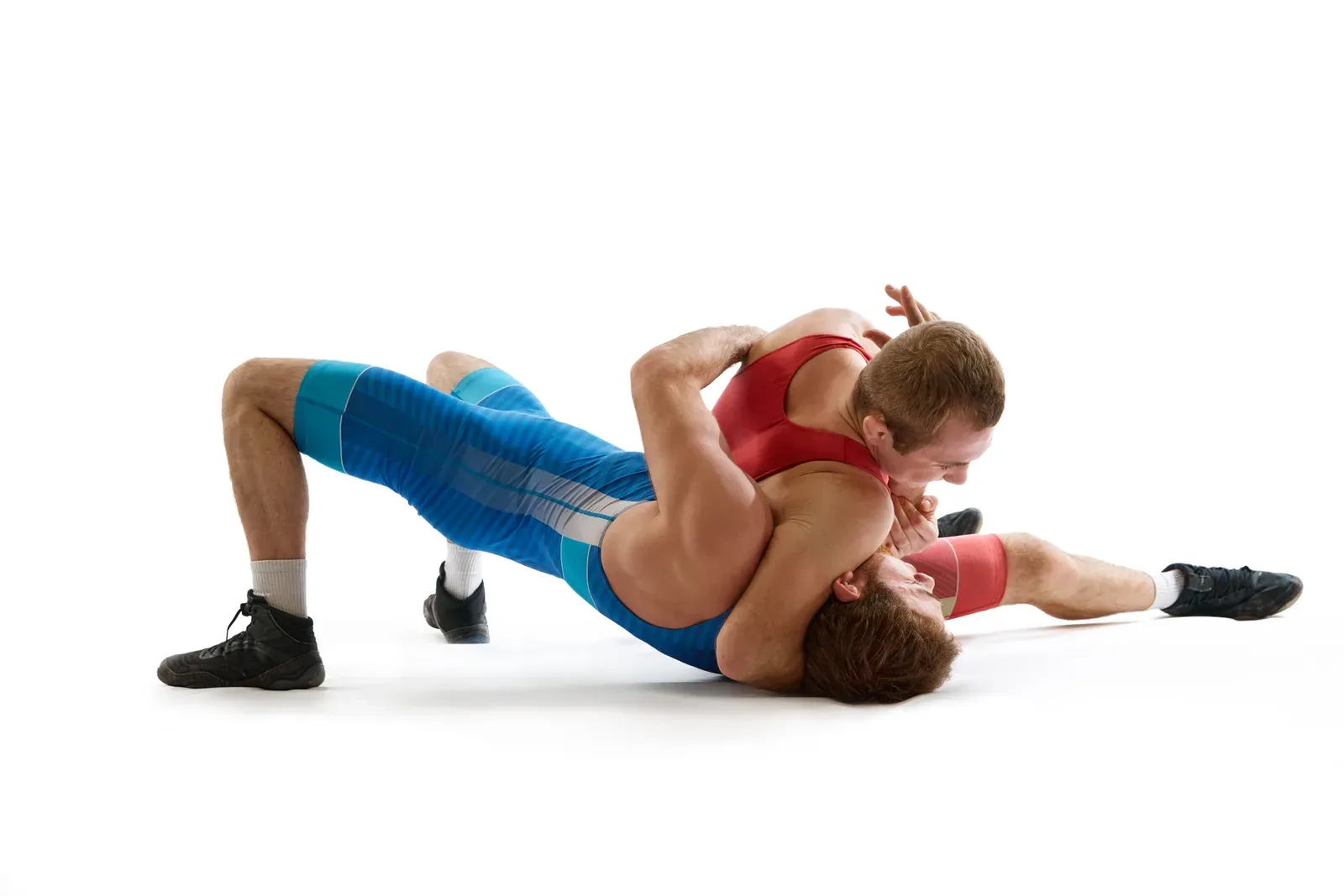
A wrestler’s strength program is built on relative strength, force per pound of body weight, with grip, neck, and trunk work layered on top, and it must be paired with an honest, physician-involved approach to weight: no program is worth anything if it is being drained by dehydration cutting. Wrestling is Indiana’s classic winter grind, and in a sports town like Carmel, plenty of athletes wrestle hard all season while training for it barely at all.
The way in is a free consultation with a free InBody body composition scan, which for a wrestling family is more than a formality: it is the data that makes weight conversations rational.
Strength per pound, not strength for show
Wrestling rewards a specific strength profile. Pulling dominates: pull-ups, rows, and climbing patterns build the tie-up, snap-down, and mat-return strength the sport runs on. Grip is its own project, carries, holds, and thick-handle work, because the hands are where most scrambles are won. Hinge and squat patterns build the drive behind shots and lifts. The neck gets deliberate, careful strengthening, standard practice in combat sports and best done under supervision. And trunk work is constant, since wrestling is one long argument between two cores. All of it aims at strength that scales with body weight rather than adding mass for its own sake, a bias it shares with gymnastics conditioning more than with football’s sheet, though the contact-sport chassis logic in football strength training still applies.
The weight conversation, handled like adults
Here is the part a responsible page has to say plainly. Wrestling’s traditional weight-cutting culture, plastic suits, skipped meals, dehydration before weigh-ins, is dangerous for developing athletes, and the sport’s own governing bodies have spent decades building rules against it. A coach’s honest role is narrow: help the athlete build the leanest strong version of themselves across a season through training and normal eating, use body composition re-scans so decisions run on data instead of desperation, and flag anything beyond that scope to the people who own it. Weight-class decisions and any weight-loss plan for a growing athlete belong with the athlete’s physician, parents, and school coaching staff together. A private coach who promises to “handle the cut” is a red flag, here or anywhere.
The season and the room
Wrestling’s calendar is unforgiving: from November to February the sport takes everything, and training survives as one or two short maintenance sessions. The building happens in spring and summer, and the athletes who use that window, on the plan laid out in our summer training guide for high school athletes, are the ones who show up in November a weight class stronger rather than a season more worn.
At FlexWerk in Carmel City Center, sessions run one-on-one in a reserved private suite, lifting rack, cable system, dumbbells, and a coach’s full attention on technique, with a parent welcome to stay for younger athletes, consistent with the supervision that pediatric sports medicine guidance asks of teen training. Hours run 5 AM to 9 PM weekdays and 7 AM to 4 PM weekends at 885 Monon Green Blvd, garage parking a short walk away, and FlexConnect matches your wrestler with one of the more than 40 independent professionals based here; combat-sport or athletic performance experience is a fair ask.
If your wrestler gives the season everything and gives the offseason nothing, book the free consultation and change which one decides their matches.
Related questions
What is the most important strength quality for a wrestler?
Relative strength: force per pound of body weight. Pull-ups, rows, carries, and hinge work move it fastest, which is why wrestling programs look different from football programs even in the same weight room.
How should a wrestler handle making weight?
With the athlete's physician, parents, and coaching staff involved, and never through dehydration cutting. A season-long plan built on body composition data is the honest version; a plastic sweat suit in December is the dangerous one.
When do wrestlers do their strength building?
Spring and summer. The November-to-February season leaves room for short maintenance sessions only, so the athletes who improve year over year are the ones who treat the warm months as their real season.