
Is Weighted Vest Walking Worth It?
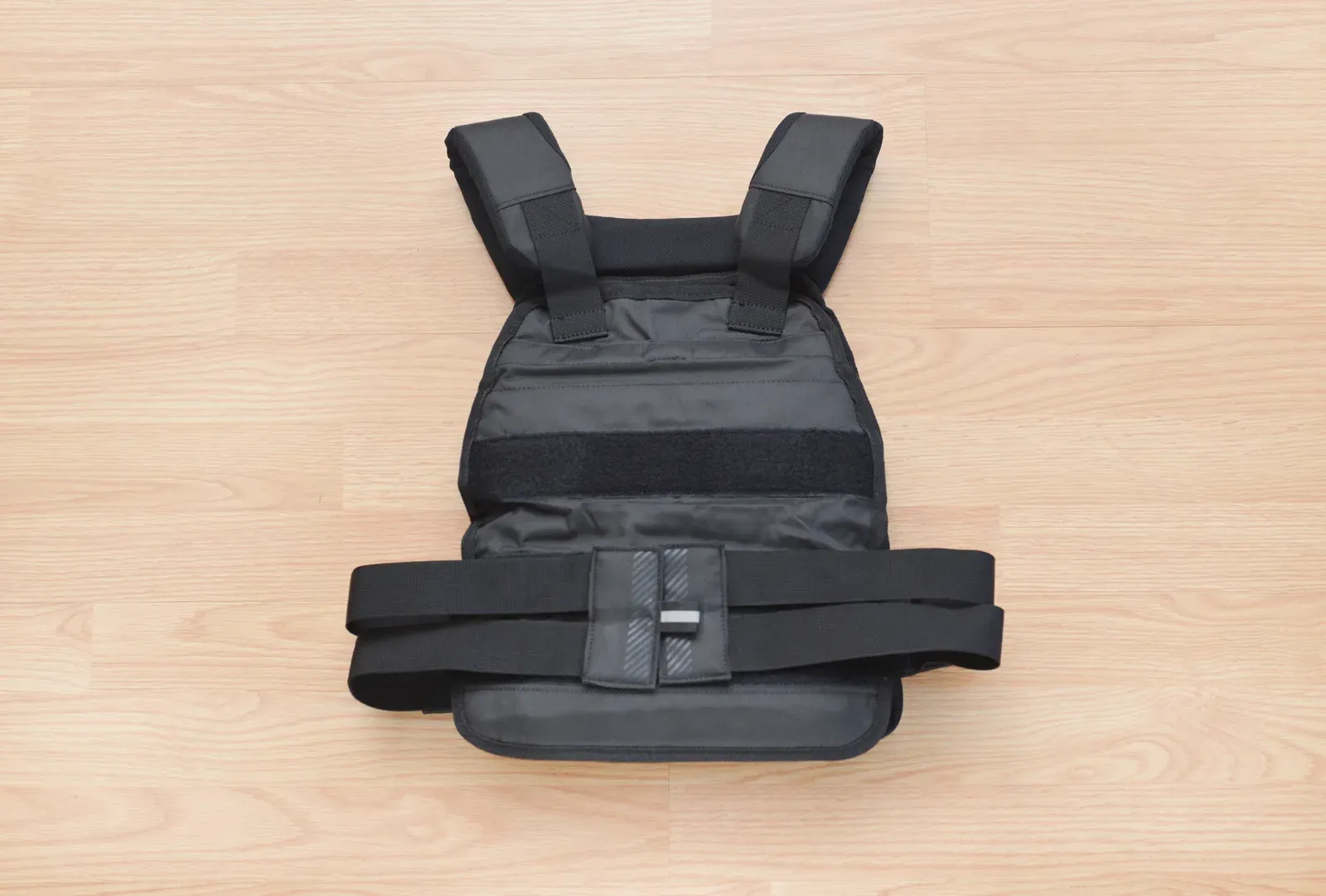
A weighted vest can make walking meaningfully better exercise, and it is worth it if you already walk consistently and want more from the same minutes; it is not worth it as a substitute for strength training, which does the muscle and bone building a vest cannot. That distinction is the whole answer, and it is the one the current vest boom keeps blurring.
What a vest actually adds
Load, and load changes the walk. Wearing an extra 5 to 15 percent of your body weight raises the energy cost of every step, asks more of your legs, hips, and trunk, and nudges the skeleton with a slightly stronger signal than bodyweight walking sends. For a habitual walker, that turns a maintenance activity into something closer to light training without adding a minute to the schedule. Walkers also commonly report that a vest sharpens posture awareness, since slouching under load announces itself immediately, and hikers use the same logic in reverse: training under load at home is what makes vacation elevation feel manageable.
The trend is real, not imagined: industry reports put weighted vest sales up roughly 50 percent year over year, driven largely by midlife women who have heard the bone and muscle arguments. The instinct behind the purchase is sound. More load is the right direction for aging bodies, and a vest is a low-skill way to add some.
What a vest cannot do
It cannot replace progressive strength training, and this is where the marketing outruns the evidence. A vest adds a fixed, modest load spread across your whole body; it does not take any muscle close to challenging effort, and it has no progression path worth the name once you have adapted to it. Muscle responds to progressive challenge, and bone research points the same way, toward resistance training with loads that keep climbing. Early studies specifically on vest walking are promising but small and modest in effect.
So the honest hierarchy looks like this: lifting does what lifting does, walking does what walking does, and a vest makes the walking portion somewhat better. If bone density or muscle loss is your actual concern, a vest purchase is not the decision that moves the needle; a strength program is, and a free consultation with an InBody baseline will tell you exactly how much muscle you are working with before you spend anything on gear. The fuller bone case, and why progressive lifting is the better-studied stimulus, is laid out in strength training for bone density. If a diagnosis like osteopenia is in the picture, loop in your physician on the whole plan, vest included.
Who benefits, and who should skip it
Worth it for: consistent walkers who want more return on the same route, hikers training for trips, people who like the rucking idea but want a simpler version, and anyone whose honest constraint is time. On Carmel’s Monon Greenway, the five flat miles through town that most local walkers already use, a vest is an easy way to make the same lunchtime loop count for more.
Skip it, or ask your physician first, if you have active knee, hip, or back trouble, balance concerns, or an osteoporosis diagnosis; added load can be exactly wrong for an irritated joint, and “my walks now hurt” is a bad trade for a fitness trend. Skip it also if you do not actually walk yet. A vest cannot upgrade a habit that does not exist, and the habit is the valuable part.
Starting sensibly: begin around 5 percent of body weight, keep your normal pace and posture, and add weight only when a full week of walks feels unremarkable. Snug fit, weight distributed front and back, and no jogging in it until plain vest walking is genuinely easy. Check the fit again after a few weeks, since vests ride differently once a brisker pace returns.
Season the decision, too. Central Indiana summers run long and humid while winters ice the sidewalks for weeks, and a vest raises the stakes of a slip; icy January mornings are days to leave it home, and the high-80s afternoons are days to lighten the load and carry water. It is a tool with conditions, not a uniform.
The better combination: vest walks plus two lifts
The people getting the most from weighted vests are using them as the middle layer of a simple stack: two progressive strength sessions a week for the real muscle and bone stimulus, vest walks on the days between for extra low-grade load, and plain easy movement everywhere else. Whether walking alone was ever going to be enough is its own question, answered honestly in is walking enough exercise, and the short version is that the lifting layer is the one most walkers are missing. One more honest note on expectations: a vest will not transform a physique or reverse a diagnosis, and it does not need to. Its job is making a habit you already keep slightly more productive, which is a perfectly good job for an inexpensive piece of gear.
That stack is very achievable in Carmel: FlexWerk’s private suites sit steps from the Monon at City Center, so the strength session and the vest walk can literally share a parking spot. Weekday hours run 5 AM to 9 PM, so the lift-then-walk pairing fits before work in summer or over lunch in the colder months.
If you want to know whether your current walking habit is maintaining the muscle you think it is, the free consultation’s baseline scan answers that in about fifteen minutes, and it is a smarter first purchase than the vest.
Related questions
How heavy should a weighted vest be to start?
Commonly 5 to 10 percent of body weight, added to walks gradually. Jumping straight to a heavy vest is how walkers turn a good habit into knee, hip, or back irritation.
Does weighted vest walking build bone density?
It adds load, which is the right direction, and early research on vests is promising but modest. Progressive resistance training remains the stronger, better-studied bone stimulus; think of the vest as a complement, not the treatment. Bone density itself is a physician conversation.
Who should skip the vest?
Anyone with active joint, back, or balance problems should ask their physician before adding load. And if plain walks already leave you achy, fix that first.