
Can You Strength Train With a Torn Rotator Cuff?
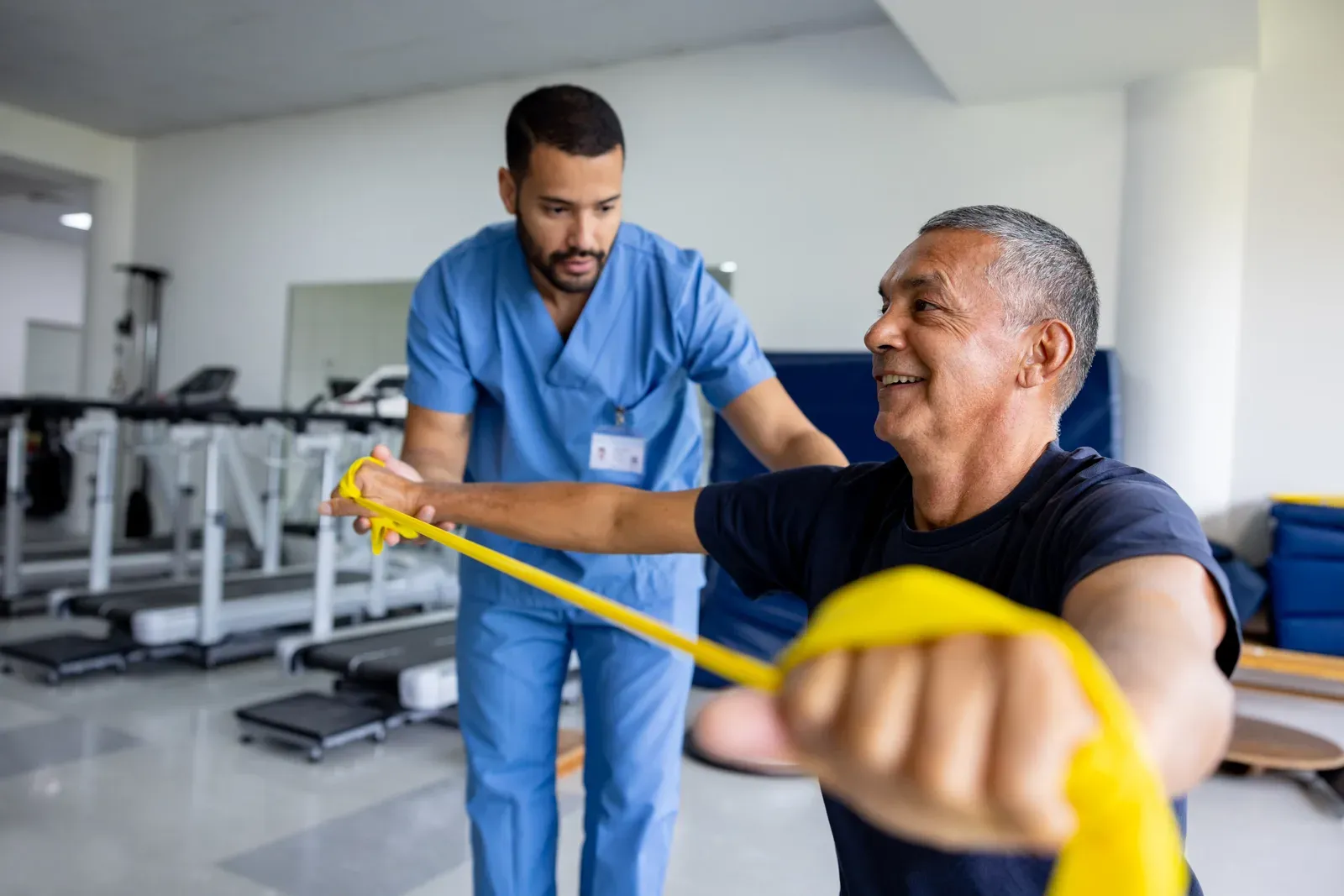
You can often strength train around a torn rotator cuff, but only after a physician or orthopedic surgeon has examined the shoulder and told you which kind of tear you have, since that decides what is safe. Some tears are managed without surgery and with strength work, while others call for a surgical opinion. A coach working under your clinician’s guidance can keep the rest of you strong, and strength coaching in Carmel is a good starting place. If you already had repair surgery, the post-surgery sequence fits you better.
Why the type of tear matters
“Torn rotator cuff” covers a range from a small partial tear to a full-thickness one that goes right through the tendon. Many people have tears that show up on imaging but cause little trouble, and others have a small tear that hurts. A recent injury with sudden weakness is a different story from a slow, age-related tear. Because the same words describe such different situations, your imaging, your examination and your goals decide the plan.
Signs that need a medical visit first
- A sudden loss of strength after a fall or a heavy lift.
- Inability to raise the arm, or an arm that drops when you try.
- Night pain that is getting worse over several weeks.
- Numbness, tingling or weakness running down the arm.
- A visible change in the shoulder after an injury.
If any of these sound familiar, book an appointment before you train. This is not a page that can rule things out for you.
Training around a tear, if cleared
For tears your clinician says can be managed without surgery, a plan commonly shifts toward the following ideas:
- Keep the shoulder moving in a comfortable range. Your therapist can set limits.
- Build the surrounding muscles. Upper back rows, lat work and shoulder blade control carry a lot of the load.
- Use neutral angles. Slightly angled presses and rows tend to bother the cuff less than wide grips and full overhead reach.
- Load the cuff gently. Light band external rotations, done slowly, are common, but only when approved.
- Keep the lower body and trunk strong. A shoulder injury should not stop leg and core training.
Pain should stay mild and fade within a day. If a movement pinches or catches, drop it.
Swaps for common lifts
| Instead of | Try |
|---|---|
| Barbell overhead press | Landmine press or a light, angled dumbbell press, if cleared |
| Wide-grip bench | Neutral-grip dumbbell press with a smaller range |
| Dips | Cable press or machine chest press |
| Behind-the-neck pulldown | Front pulldown with a neutral grip |
| Upright row | Seated cable row with elbows close to the body |
Questions to ask your physician or surgeon first
- What kind of tear do I have, and does it need surgery?
- Which exercises and ranges should I avoid?
- Is a trial of therapy and strengthening appropriate before any surgical decision?
- How much pain during exercise is acceptable?
- When should we recheck the shoulder?
Where a coach helps, and where one does not
A coach adapts exercise selection, grips and angles, keeps your legs and trunk training and notices when the shoulder is having a bad day. A coach does not read imaging, decide whether you should have surgery or test the shoulder for tears. At FlexWerk in Carmel City Center, adjustable cables and private rooms make it easy to experiment with angles, and each coach sets their own terms. Related reading includes the shoulder pain page for aches that have not been diagnosed as tears, and frozen shoulder training for a stiff joint. This page is general information, not medical advice.
Related questions
Can a torn rotator cuff heal on its own?
Partial tears sometimes calm down with a clinician-led plan and strengthening, while full-thickness tears usually do not close on their own. Whether you need surgery depends on the tear, your age, your goals and your symptoms.
Which exercises should I avoid?
Commonly avoided are heavy overhead presses, wide-grip pressing, dips and anything that provokes sharp pain or a catching feeling. Your clinician can tell you which of those apply to your tear.
How do I know it is time to see a surgeon?
A sudden drop in strength after an injury, an arm that will not lift, night pain that keeps worsening or no progress after a fair trial of clinician-led care are all reasons to ask for a surgical opinion.