
Can a Personal Trainer Help With Shoulder Pain in Carmel?
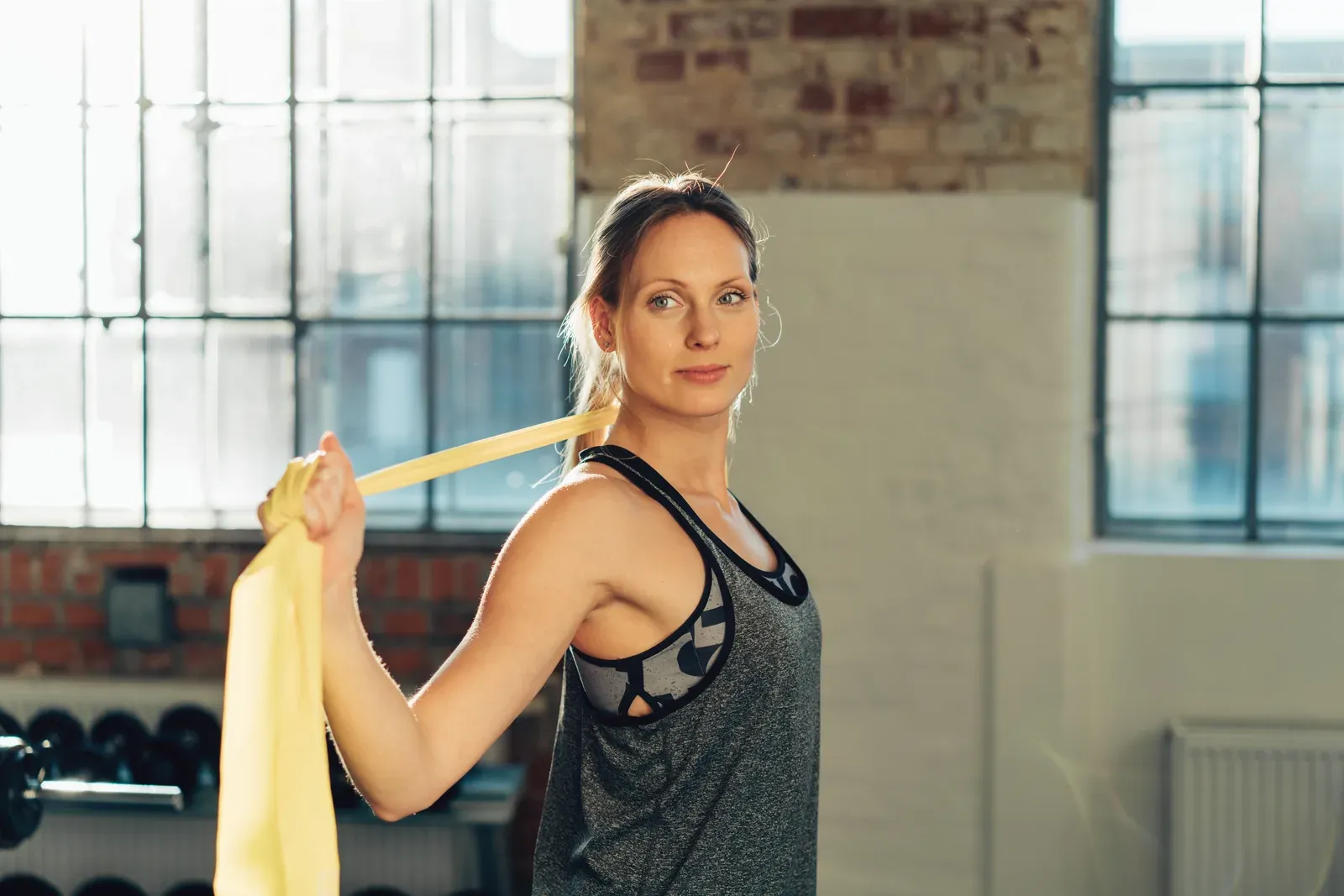
A personal trainer can usually keep you training productively around a cranky shoulder, by swapping angles, grips, tempos, and ranges, but only after anything that looks like a real injury has been checked by your physician or physical therapist. In Carmel, that combination, clinical clearance plus coach-scope adjustment, is how people with grumpy shoulders keep making progress instead of quietly giving up on upper body work, and the coached version of it starts with a free consultation at Carmel City Center.
The clinician-first checklist
Coaches do not diagnose shoulders, and a shoulder that is genuinely injured needs a clinician before it needs a program. See your physician or physical therapist first if you have pain that wakes you at night, obvious weakness, a shoulder that will not move through its normal range, numbness or tingling into the arm, or pain that started with a fall or a specific injury. If any treatment or rehab is prescribed, that plan leads and training follows it. A coach’s work sits alongside your clinical team, inside whatever boundaries they set, and the formal version of that division of labor is laid out in trainer vs physical therapist.
The coach-scope swap list
For the everyday cranky shoulder that has been checked, or that your clinician says is safe to train around, the toolbox is bigger than most people expect:
- Grip and angle changes. Neutral-grip dumbbell presses often feel dramatically better than barbell pressing; small changes in bench angle move stress to happier tissue.
- Range you own. Pressing or pulling through a partial, pain-free range now, and expanding it gradually, beats forcing full range through complaint.
- Row-heavy programming. Most aggravated shoulders tolerate pulling better than pressing, so the program leans on rows and pulldown patterns while pressing volume rebuilds.
- Cable height and path. The cable system in each room allows nearly infinite adjustment of where a press or raise travels, which is exactly what a touchy shoulder needs.
- Tempo as a filter. Slow, controlled reps expose exactly where a movement stops being comfortable, so the coach can work productively right up to that line and not over it.
The operating rule is simple and non-negotiable: no working through pain. Discomfort that changes how you move, or symptoms that persist afterward, sends the movement to the bench and, if it keeps happening, sends you back to your clinician. The broader method behind all of this lives in training around an injury.
Why the coaching setup matters in Carmel
Shoulder-aware training runs on feedback: which grip felt clean, which angle pinched, what the joint said the next morning. That loop works best one on one, and at FlexWerk in Carmel City Center every session happens in a private reserved room where your coach watches each rep and adjusts in real time, with no queue for equipment pressuring you through a movement you should be modifying. It starts with that free consultation, which includes a free InBody body composition scan and, more importantly for this topic, a real conversation about your shoulder history. Tell the whole story, including the parts that seem minor; our guide on telling your trainer about an injury explains why that candor is the cheapest insurance in fitness.
FlexConnect matches you with one of the more than 40 independent coaches working at 885 Monon Green Blvd, with garage parking a short walk away and hours from 5 AM to 9 PM weekdays and 7 AM to 4 PM weekends. If your shoulder has been editing your workouts for months, get it looked at, then bring the answer to the consultation and let a coach build the workaround.
Related questions
Should I stop training upper body if my shoulder hurts?
Usually not entirely, but that depends on what is wrong, which is a clinician's question. Once your physician or physical therapist clears you, a coach can typically keep upper body work productive with swapped angles, grips, and ranges.
What shoulder symptoms need a doctor before a trainer?
Night pain, noticeable weakness, a shoulder that will not move through its range, numbness or tingling, or pain after a fall or injury all belong with your physician first. A trainer does not diagnose what is happening in the joint.
Will a trainer give me rehab exercises for my shoulder?
No. Rehabilitation belongs to your physical therapist. A coach can continue movements your physical therapist recommends and build the rest of your training around them, but prescribing rehab is outside coach scope.