
Sports Performance Training in North Indianapolis: One Athlete at a Time
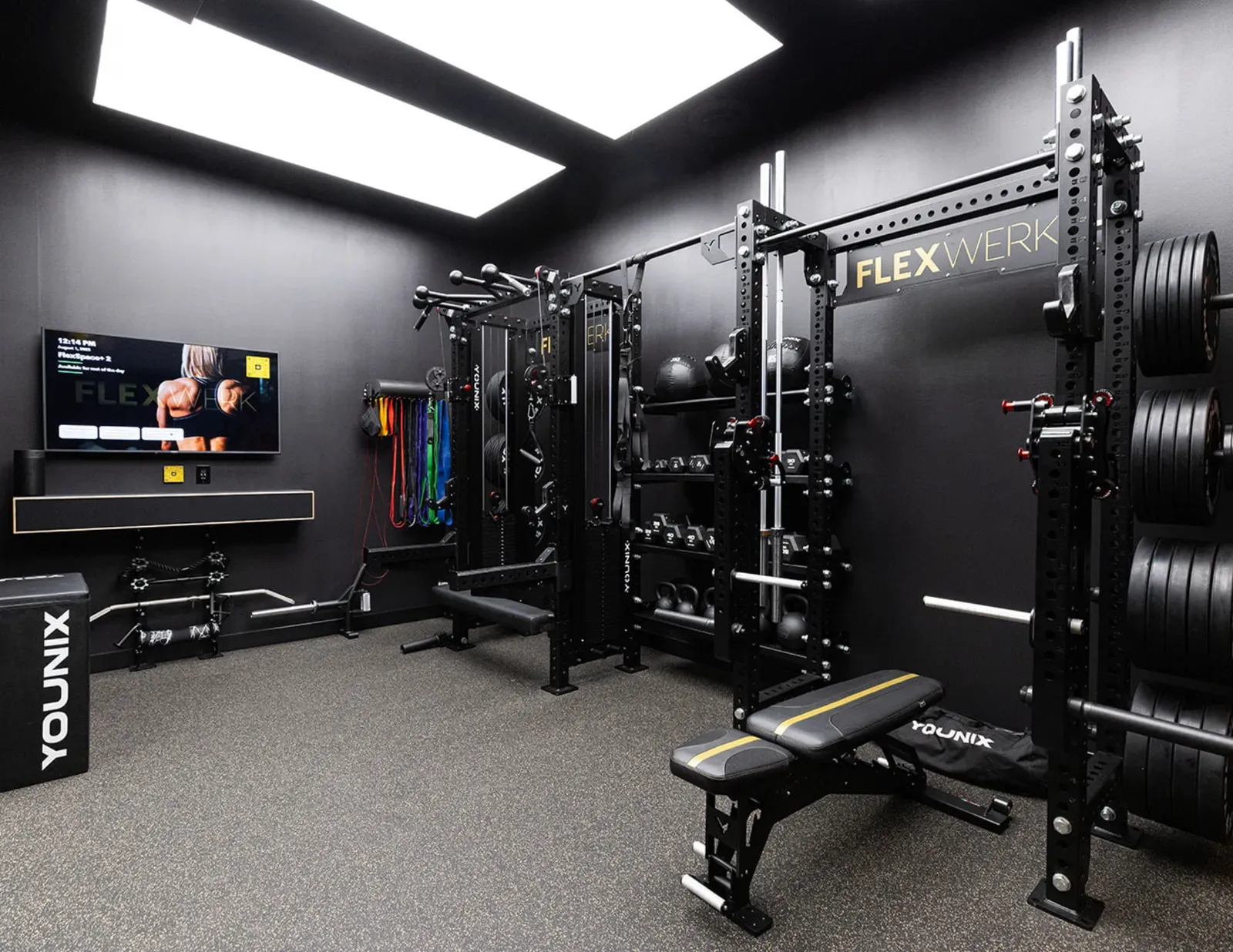
Sports performance training for north Indianapolis athletes does not require a group camp or a long haul: one-on-one athlete development runs 10 to 20 minutes up the road at Carmel City Center, where one coach and one athlete get a reserved private room and an uninterrupted hour. The full north-side coaching picture lives on the north Indianapolis personal training page; here is what the performance version specifically offers.
What one-on-one development changes
Group performance training runs on averages: the program that fits the middle of the pack, the cue shouted across twelve athletes. Development happens at the individual level, and three things only the one-on-one format delivers. Technique gets coached every single rep, which matters because sprint mechanics, landing positions, and barbell skills are motor patterns that harden fast, correct or not. Programming targets this athlete’s limiters, the midfielder who cannot decelerate and the swimmer with no land strength need different plans, and one spreadsheet cannot hold both. And feedback gets immediate: the suites are deliberately filming-friendly with a monitor in the room, so a coach can capture a jump or a sprint drill, review it with the athlete on the spot, and rebuild the pattern in the next set. The full development philosophy, phases and all, is laid out in the sports performance training guide.
Who this fits on the north side
Three groups make the trip most. High school athletes from the neighborhoods between 62nd and 96th, chasing a roster spot or a jump in output, and often training year-round club calendars that badly need general strength underneath them. Multi-sport middle and high schoolers whose parents want long-view development rather than early burnout. And adult athletes, league players, racers, and lifelong competitors, who want the same assessment-first treatment the teenagers get.
One honest boundary belongs here: any athlete coming back from an injury gets cleared by their physician or physical therapist before performance work begins, and a good coach coordinates with that guidance rather than substituting for it.
The sport-family logistics
The geography cooperates. College, Meridian, and Keystone all run you north without touching an interstate, 10 to 15 minutes from Nora and 15 to 20 from Broad Ripple or Meridian-Kessler, against the commute in both directions. Weekday hours stretch from 5 AM to 9 PM, which is what makes the after-practice evening session possible, and weekends run 7 AM to 4 PM around tournament schedules. Garage parking sits a short walk from the door, and because the room is reserved, a 7 PM session in February is as focused as a 10 AM session in July.
Where it starts
Every engagement begins with a free consultation: training history, sport calendar, goals, and a free InBody body composition scan for an objective baseline. FlexConnect then matches the athlete with a performance-focused coach from the more than 40 independent professionals in the building, and the first session is free, so athlete and coach get a real audition before anyone commits.
If the athlete in your house has outgrown the group format, the consultation is the low-stakes way to find out what individual attention changes.
Related questions
What ages do performance coaches work with?
High school athletes through adults, with several coaches specializing in youth development. Age, sport, and training history all factor into the match at the consultation.
How does this differ from a team lifting program?
Team programs are written for the whole roster. One-on-one work assesses your athlete individually, targets their specific limiters, and coaches technique every rep, which a coach watching forty kids cannot do.
How many sessions a week does an athlete need?
Two focused sessions is the common off-season rhythm, dropping to one maintenance session in-season. The coach programs around the sport calendar, not against it.