
Bad Knees and Better Balance: Coached Training Near Noblesville
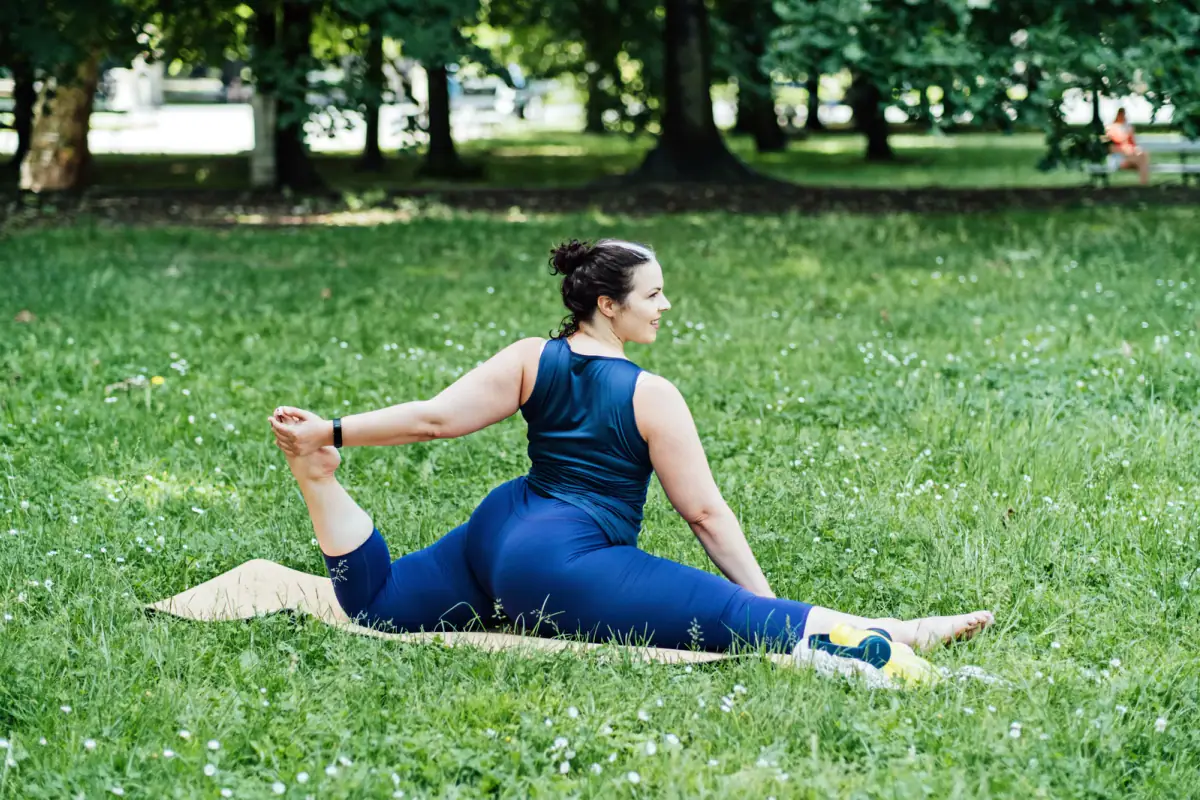
Knee trouble is rarely symmetrical. Most people carry one complaining knee and one cooperative one, and a coached program treats them as separate projects: patient strength work for the sore side, honest loading for the good side, and balance training for both. That individual attention is the difference between a program and a template, and it begins only after a physician or physical therapist has cleared you to train. For Noblesville, the coaching sits about 20 minutes south, and the Noblesville personal training page walks through whether the trip makes sense for you.
Worth stating plainly before anything else: trainers do not diagnose knees and do not treat them. A joint that swells, locks, gives way, or hurts at rest is a clinical matter, and the coaching conversation starts once your clinical team has had theirs.
One leg at a time
Single leg training is where knee-aware coaching does its best work. Supported split squats, step-downs from modest heights, single leg balance drills that progress from a fingertip on the rack to nothing at all: each can be dosed separately per side. The cooperative leg keeps building. The cranky one advances only as fast as it proves it can, and both get the stability work that teaches the knee to track well under real load. Established-neighborhood adults who have lived in their routines for decades tend to appreciate this part; it is training for the body you actually have, not the one a program template imagines.
Flare-up weeks, handled without drama
The plan assumes imperfect weeks, because knees have opinions. When yours is loud, the session bends: isometric holds instead of moving reps, more upper body and trunk work, lighter loads at friendlier ranges. The hour stays useful, the habit stays alive, and the knee gets what it can handle rather than what the calendar promised. This is standard practice for training around an injury, and it only works because a coach is present to make the call in real time. Anything that seems new rather than familiar goes back to your clinicians before training resumes.
The honest 20 minute question
If you already train consistently near home and your knees are managing fine, a Noblesville gym is the sensible choice and no drive improves on it. The trip south earns its minutes when something is missing: eyes on your mechanics every rep, a program adjusted weekly to what your knees report, and a private reserved room where careful modifications carry zero social cost. The free consultation, which includes a free InBody scan and the FlexConnect matching conversation, is the cheap way to test whether that difference matters for your knees. The deeper Carmel resource on the whole approach is the bad knees coaching guide.
Getting here is simple enough: 146th Street west and then south, or SR-37 to US-31, landing at 885 Monon Green Blvd with garage parking a short walk from the door.
Get your clinician’s go-ahead, then bring your knee’s full story to a consultation and see what a leg-by-leg program looks like on paper.
Related questions
Why does balance work matter for bad knees?
The muscles that steady you on one leg are the same ones that control how your knee tracks under load. Pairing balance drills with strength work trains control and capacity together, which is why coaches rarely program one without the other.
Can I train one leg harder than the other?
Yes, and with uneven knees you usually should. Single leg exercises let a coach give the stronger side full work while the sore side progresses at its own pace, inside whatever limits your physician or physical therapist has set.
What happens if my knee flares up between sessions?
Tell your coach before the session, not after it. A good coach shifts that day's work to what the knee tolerates, keeps the hour productive, and treats any new or unusual symptom as a reason to check in with your clinical team.