
Personal Trainer for Bad Knees in Carmel: Strong Legs Without the Flare-Ups
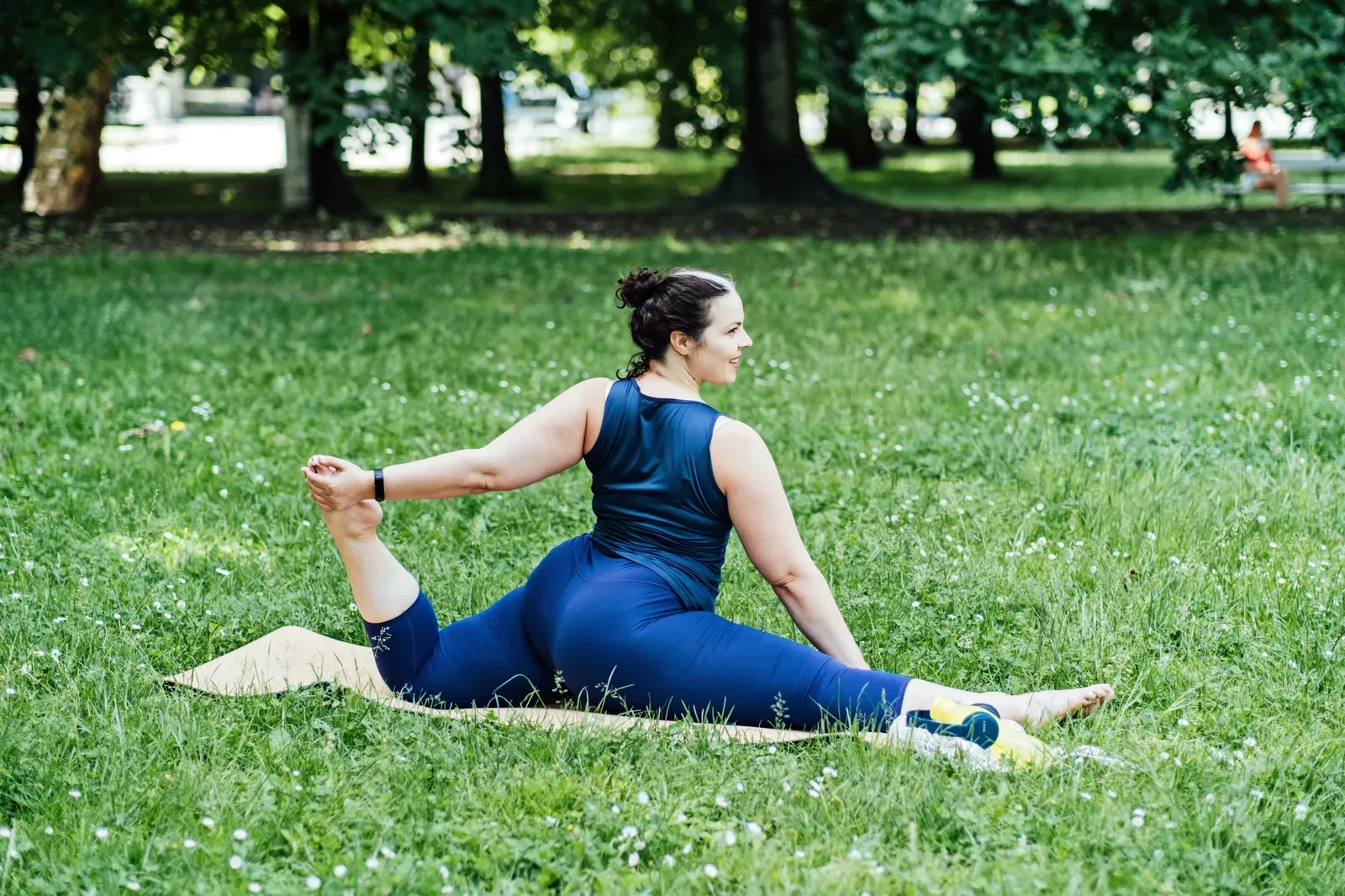
Bad knees rarely need rest. They usually need stronger legs, loaded more thoughtfully than a generic program ever loads them. A personal trainer for bad knees in Carmel adjusts stance, depth, tempo, and exercise selection around what your knees tolerate today, then expands that tolerance patiently, with your physician’s clearance as the starting line. Here is what knee-aware coaching actually changes, and where to find it locally.
First, rule out what a coach cannot help
A trainer’s work begins after the medical questions are answered, not before. If a knee is swollen, feels unstable or gives way, locks or catches, hurts at rest or at night, or has new pain you cannot explain, that is a physician visit before it is a training session. Coaches do not diagnose what is happening inside a joint and do not treat it, and the good ones say so in the first conversation. What they do, once your clinical team says exercise is appropriate, is build strength around the joint within whatever boundaries your physician or physical therapist sets. Training support runs alongside your clinical team, never in place of it.
That history conversation is the actual first session. At FlexWerk in Carmel City Center it happens at the free consultation: your knee story, your clinician’s guidance, a free InBody body composition scan for a baseline, and a plan that starts where your knees are rather than where a template assumes they should be.
The knee-aware toolbox
Knee-friendly programming is mostly a set of dials, and a coach’s skill is knowing which one to turn:
- Stance and angle. Wider or narrower stances, toes turned out a touch, split stance instead of parallel. Small setup changes move stress to places that can handle it.
- Depth you own. Box squats to a height that feels strong today, with the box lowering over weeks as tolerance grows. Depth is earned, not demanded.
- Tempo as a shock absorber. Slow lowering phases build muscle at loads knees barely notice, which is why controlled tempo work is the backbone of most knee-aware programs.
- Step-ups at the right height. A stair-height step-up loads the knee usefully; a knee-high box may be next year’s exercise. The progression is the program.
- Isometrics on grumpy days. Holds like wall sits at tolerable angles keep a session productive when the joint is voting loudly.
- Cardio without collisions. Rowing machines, vertical climbers, and curved treadmills in the dedicated cardio rooms deliver hard conditioning with no pounding, the same logic covered in our low impact training guide.
Notice what is not on the list: resting until the knees feel perfect. For most cleared knees, that day arrives through training, not before it.
Two knees rarely match, either. Plenty of people carry one cranky knee and one fine one, and a good program treats them as the individuals they are: a shallower box on the left, full depth on the right, extra isometric time where it is earned. That kind of asymmetric fine-tuning is tedious to manage alone and completely routine for a coach who watches your knees move every week.
Progress without flare-ups
The operating rule of knee-aware coaching is the next-morning test. A session was right if the knee feels the same or better the following day; if it grumbles louder, the coach turns a dial down and the program adjusts. This feedback loop is the honest answer to why coached training beats soloing a plan from the internet: a template cannot hear your Tuesday morning report, and a coach who works around joint issues adjusts in real time.
Load still climbs, though, and it should. Impact and load are different things: jumping is impact, a controlled goblet squat is load, and most achy knees tolerate load far better than impact while needing load to get better. The muscle you add around a knee is the closest thing to a shock absorber you can build for it. Expect months of quiet, boring progress rather than dramatic weeks, and expect your coach to be more excited about your step-up height than you are. It all gets written down, too: box heights, tempos, loads, and next-morning reports go in the log, because knee-aware training is an experiment you are running on yourself, and experiments need records.
Why this works better in a private room in Carmel
Modifying leg exercises on a public gym floor is socially expensive. People push depth they should not, skip the box because it looks cautious, and hurry rests because someone is circling the rack. Every FlexWerk session happens in a private reserved room, so the program can be exactly as modified as your knees require, with nobody watching and nobody waiting. Your coach, matched through FlexConnect from more than 40 independent professionals working at Carmel City Center, has one client in the room: you.
The location keeps the habit alive year-round. The building sits at 885 Monon Green Blvd, steps from the Monon Trail, with garage parking a short walk away and hours from 5 AM to 9 PM on weekdays and 7 AM to 4 PM on weekends. That indoor consistency matters in a town where January highs hover around 33 degrees and summer stacks humid weeks in the upper 80s and 90s, both of which are hard seasons for knees that do their walking outdoors.
If your knees have been narrating every flight of stairs, and your physician has cleared you to train, book the free consultation and let a coach show you how strong your legs can get without a single flare-up on the schedule.
Related questions
Should I train legs at all if my knees hurt?
Usually yes, once your physician has ruled out anything that needs treatment. Stronger muscle around the knee is one of the best-supported ways to make daily life feel better, and skipping leg work tends to make achy knees worse over time, not safer.
When should a knee see a doctor instead of a trainer?
Swelling, instability, locking or catching, pain at rest, or new unexplained pain all belong with your physician first. A trainer works with what your clinical team has already assessed and cleared.
Will squats ruin my knees?
Squatting itself is not the villain; the wrong depth, load, or tempo for your current tolerance is. A coach adjusts all three so the pattern builds your knees up instead of stirring them up.