
What Low Impact Personal Training Near Westfield Does and Does Not Mean
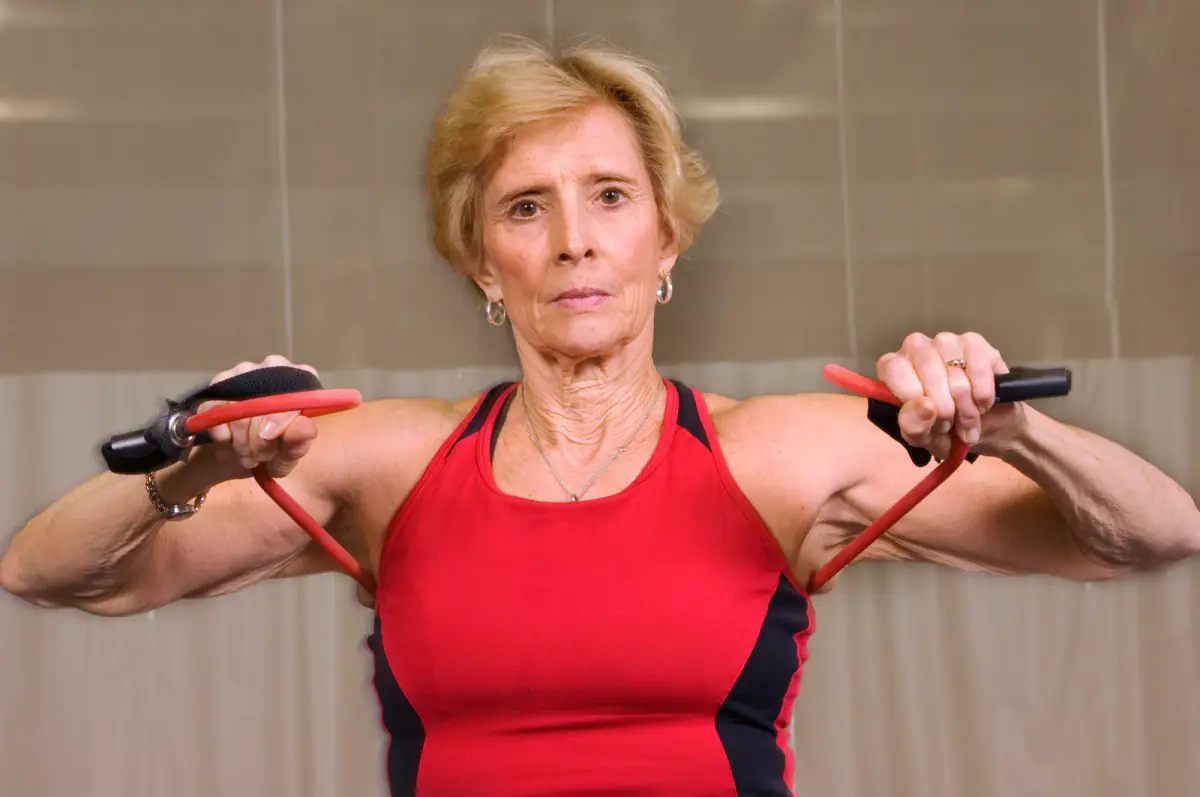
The name undersells it: low impact training is a full-effort strength and conditioning program that simply refuses to let your joints pay the admission price. Around Westfield it draws two very different crowds, parents who spend whole weekends standing on Grand Park sidelines and retirees protecting the knees their daily walks depend on, and both start under the same rule. Anything swollen, unstable, or hurting at rest goes to your physician or physical therapist first; a coach programs after clearance and stays inside it.
The coached version sits 10 to 15 minutes down US-31 at Carmel City Center. The Westfield personal training page covers the drive, the hours, and what the private rooms are like.
Three things low impact does not mean
- It does not mean easy. Hard is a function of load, tempo, and rest, and a coach can make a strike-free session as demanding as any bootcamp. The difference is where the stress lands.
- It does not mean light weights. Load is the ingredient that builds muscle and bone. What gets removed is the collision, not the challenge, and the bar on your progress should still rise month over month.
- It does not mean forever, unless you want it to. For some clients it is the on-ramp that rebuilds capacity until impact stops being scary. For others it is simply how they intend to train at 70.
What a coached session actually contains
An hour typically splits between strength patterns and strike-free conditioning. Squats, hinges, presses, and rows get loaded in the ranges your joints accept, rowing or climbing intervals handle the cardio, and trunk work ties it together. In a reserved room the plan can be exactly as modified as it needs to be, with nobody watching you swap an exercise, and your coach adjusts week to week based on how each movement felt afterward. The reasoning behind every piece is unpacked in the Carmel low impact training guide.
Where it fits a Westfield calendar
Retirees tend to claim the quiet midmorning slots and build the sessions around their walking routine, which continues as the base of the week; whether walking alone is enough is its own honest question. Grand Park families work the opposite pattern, using early weekend starts or weekday evenings once the season schedule lands. Either way the trip stays short, US-31 straight south, garage parking a short walk from the door.
How the first visit works
Nothing strenuous happens on day one. A free consultation opens with your joint history and a free InBody body composition scan, and FlexConnect then matches you with a coach whose experience fits, drawn from more than 40 independent professionals working in the building. From there the earliest sessions sample movements, note what your joints tolerate, and set the starting loads the program will quietly raise.
If the label ever made this style sound like a lesser workout, book a consultation and let one properly loaded, strike-free hour argue otherwise.
Related questions
Is low impact training only for people with injuries?
No. Plenty of healthy adults pick it because it lets them push hard for decades without stacking up the wear that impact-heavy programs can bring. Injury history is one reason to train this way, not the only one.
Will I build muscle without jumping or running?
Yes. Muscle grows in response to progressive resistance, and none of the classic strength patterns require impact. Squats, hinges, presses, rows, and carries all load muscle and bone with both feet planted.
Can a sports-family weekend schedule fit this?
Usually, because weekend hours run 7 AM to 4 PM. Parents often book an early Saturday session and still make the first game, and weekday evenings stay open when a tournament swallows the whole weekend.