
Where to Find a Mobility Coach Near Westfield
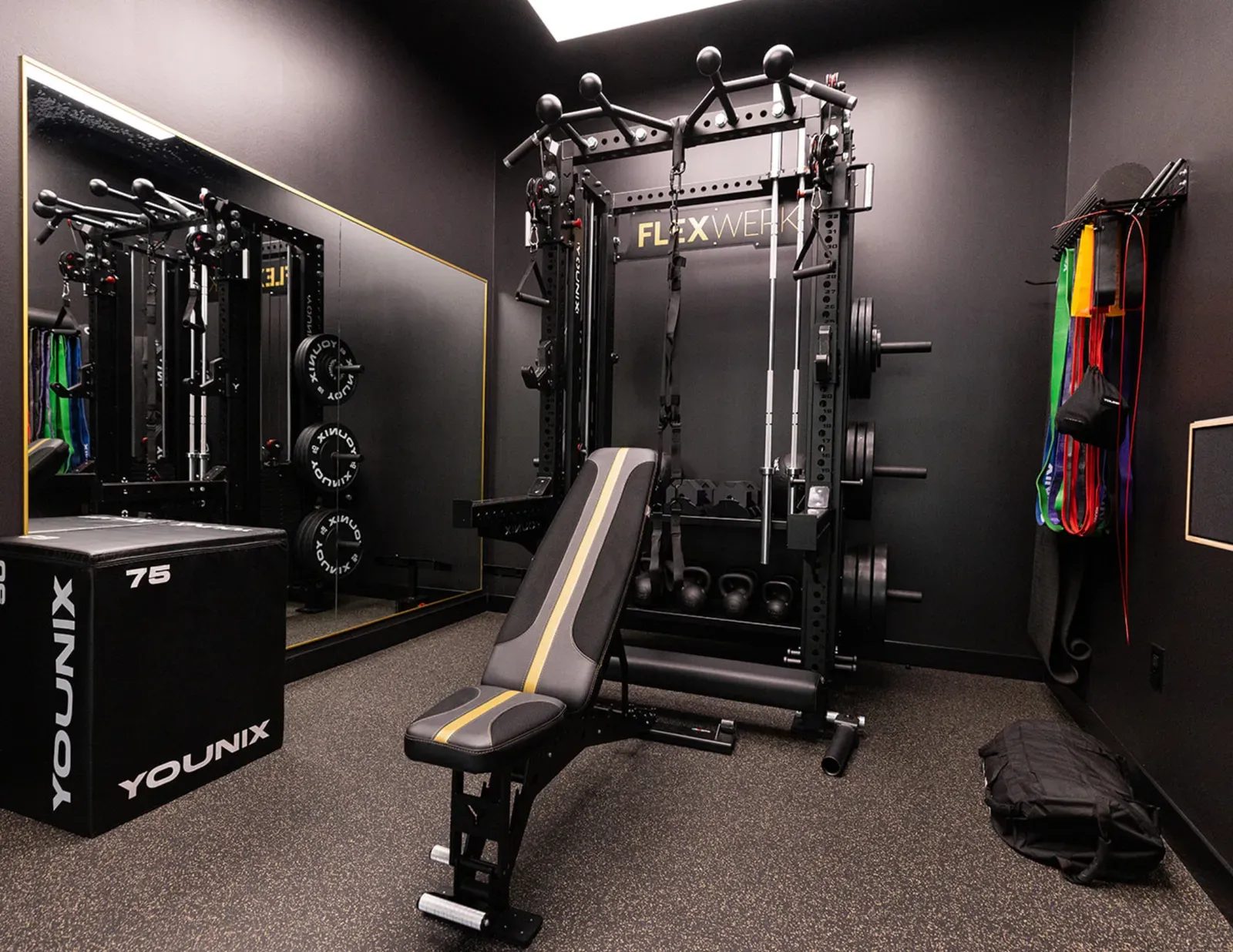
The closest one-on-one mobility coaching to Westfield runs in private rooms about 10 to 15 minutes down US-31 at Carmel City Center: an assessment of which joints are actually restricted, a program aimed at those joints, and strength work through the new range so it lasts. The wider coaching landscape is on the Westfield personal training page; here is what a mobility coach does and who should hire one.
What separates a mobility coach from a stretching class
A stretching class gives thirty people the same stretches; a mobility coach finds your specific restrictions and programs for them, then loads the new range with strength work, which is the step that makes change permanent instead of pleasant. Stretch-only gains fade by morning. Range you have strengthened stays. The full method, assessment first, then targeted work, then loading, is broken down in our mobility coaching guide; the short answer is that mobility is a training project, not a relaxation one.
Who actually hires a mobility coach
Four groups fill most of these sessions, and Westfield has all four in quantity:
- Desk-bound and home-office workers. With 23.3 percent of Hamilton County working from home, the stiff-hips, rounded-shoulders pattern is practically a local industry. Restriction built by ten sitting hours a day does not undo itself.
- Rotation-sport athletes. Golfers and racquet players buy swing range with hip and mid-back mobility; the court-sport version is covered in tennis fitness training near Westfield.
- Lifters at a plateau. Squat depth and overhead position problems are usually mobility problems wearing a strength costume.
- Adults past 50 who want floor-to-standing ease, tying shoes without a plan, and the everyday ranges that quietly narrow with disuse.
One boundary matters: mobility coaching is for restricted but healthy joints. Pain, injuries, and diagnoses go to a physical therapist or physician first, and training resumes alongside their guidance; the handoff details are in training around an injury.
How it works from Westfield
Sessions run one-on-one in a reserved private FlexSpace, which suits mobility work unusually well: the awkward positions, the slow tempos, and the rail-to-rail experimenting all happen behind a closed door with a coach watching every rep, not on a gym floor with an audience. The room’s rack, cables, and dumbbells are what turn new range into strong range.
The drive is about 10 to 15 minutes down US-31 for most Westfield addresses, with garage parking a short walk from the door, and hours run 5 AM to 9 PM weekdays and 7 AM to 4 PM weekends. FlexConnect matches you from more than 40 independent professionals; ask specifically for a coach who leads with assessment and programs mobility alongside strength.
Start with the free consultation, which includes a free InBody body composition scan and, more usefully for this goal, the first honest look at how your joints actually move. Book it, get assessed, and find out which restrictions are yours specifically.
Related questions
What is the difference between mobility and flexibility?
Flexibility is how far a joint can be moved passively; mobility is how much of that range you can actively control. Mobility is the one that decides whether you can squat deep, reach overhead, or get off the floor easily, and it is the one a coach trains.
How long until range of motion improves?
Positions commonly feel easier within a few weeks, but making new range permanent takes months of loading it, and no coach can promise a timeline. The honest marker is a re-assessment, not a date.
Should I see a physical therapist instead?
If you have pain, an injury, or a diagnosis, yes, start with a PT or your physician. A mobility coach trains restricted but healthy joints, and a good one sends anything painful to the clinic rather than programming around it.