
InBody Bone Mineral Content: What It Does and Doesn't Say
The bone mineral content on an InBody sheet is an estimate built from the scanner’s electrical readings, not a measurement of bone density, so it cannot screen for or diagnose any bone condition, and questions about your bones belong with your physician. A coach reads the line as one more piece of context about your frame and designs training around what your clinician clears. The free scan in a free consultation prints it, and a coach can explain how to treat it.
What the line actually is
Body composition sheets usually divide your lean tissue and print a figure for minerals or bone mineral. The machine does not take an image of bone and does not count how dense it is. It estimates the mineral amount from relationships it already knows between water, lean mass and body size. A bigger person with more lean tissue therefore tends to show a bigger number, which says little about how strong that person’s bones are.
That is why the figure moves in small, steady steps and mostly follows your lean mass.
What it cannot tell you
- Whether your bones are dense, thin or healthy.
- Your risk of a fracture.
- How you compare with others of your age on a clinical scale.
- Whether a medication, a hormone shift or a nutrient gap is affecting your skeleton.
Those answers come from a clinical bone density test, which a physician orders and interprets. The page on how InBody compares with DEXA shows where the two methods differ and why DEXA belongs to a clinical setting.
Where lifting fits
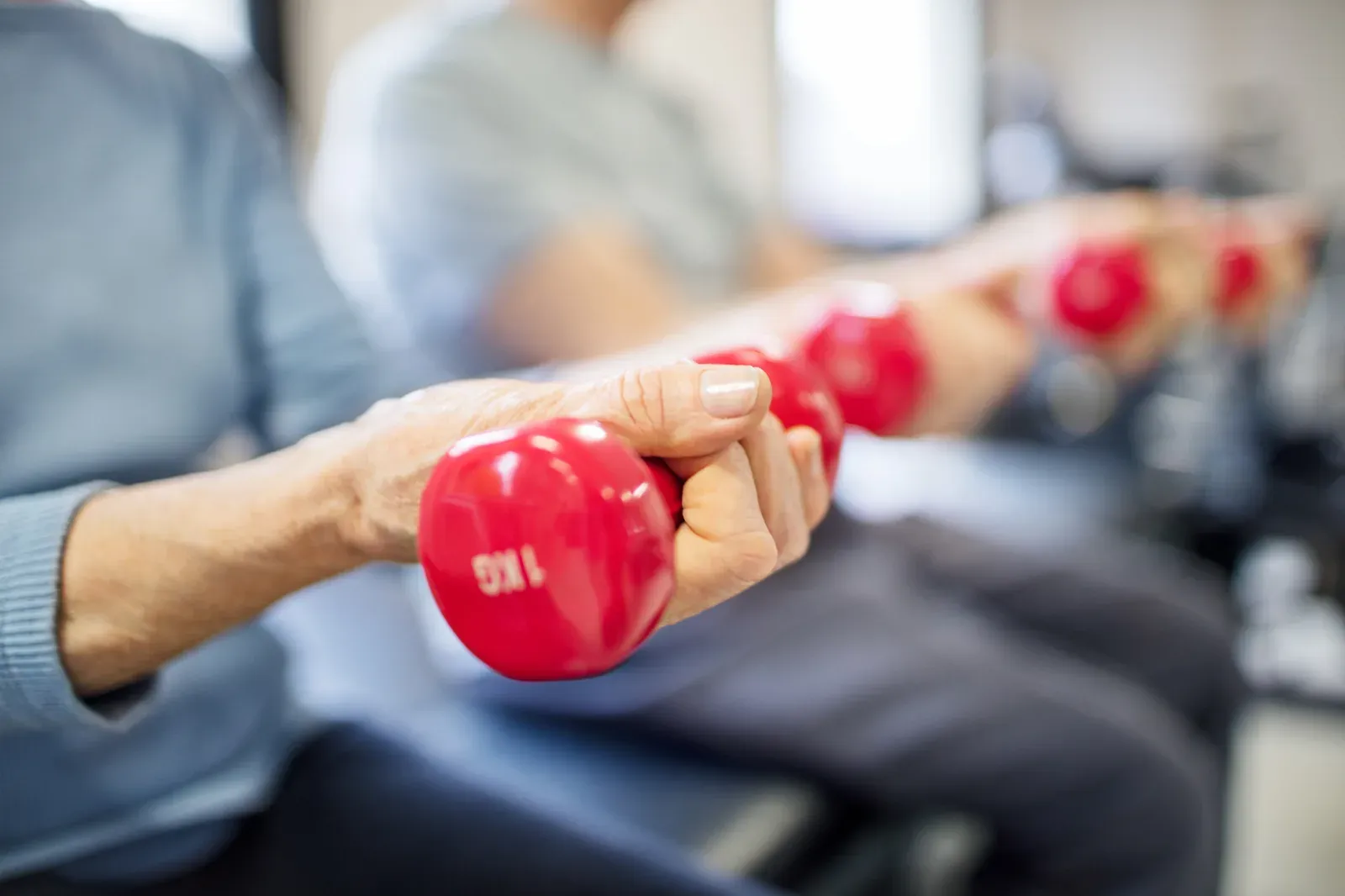
Resistance training is a widely recommended part of an overall plan for bone health, and many clinicians encourage it. A coach can add loaded carries, squats, hinges and presses at a level that suits your joints, balance and history, once your clinician is comfortable with it. If you are on a weight-loss medication, the reasons strength work matters are covered in what lifting does for bone loss on a GLP-1 medication, and the broader training picture is in strength training and bone density.
Questions to ask your physician first
Bring these to your next appointment before leaning on any bone-related number from a scan:
- Do I need a bone density test, and how often?
- Are there exercises or loads I should avoid because of my bones or joints?
- Do any of my medications affect bone health?
- Would you like me to share my training plan with you?
- What symptoms should make me stop exercising and call?
What a coach does and does not do
A coach tracks the figure only as a trend for consistency, builds sessions around your clearance, and flags anything unusual to you so you can raise it with your clinician. A coach does not interpret the number as bone health, does not recommend supplements for it and does not replace clinical testing. Bring your last printout and your physician’s guidance to a coach and start from there.
Related questions
Is the bone mineral content on an InBody the same as a bone density scan?
No. A bone density scan is a clinical test ordered and read by a physician. The mineral figure on a body composition sheet is an estimate that comes from the same electrical signal as the other lines, so it should not be treated as a screening result.
My bone mineral content looks low. Should I worry?
Treat it as a prompt for a conversation, not a result. Take the printout to your physician if bone health is a concern, and let them decide whether a proper test is warranted.
Can lifting weights help my bones?
Resistance training is widely recommended as part of an overall approach to bone health. How much load and which exercises are right for you is a question for your physician first and your coach second.