
How to Get in Shape Before College: A Summer Plan
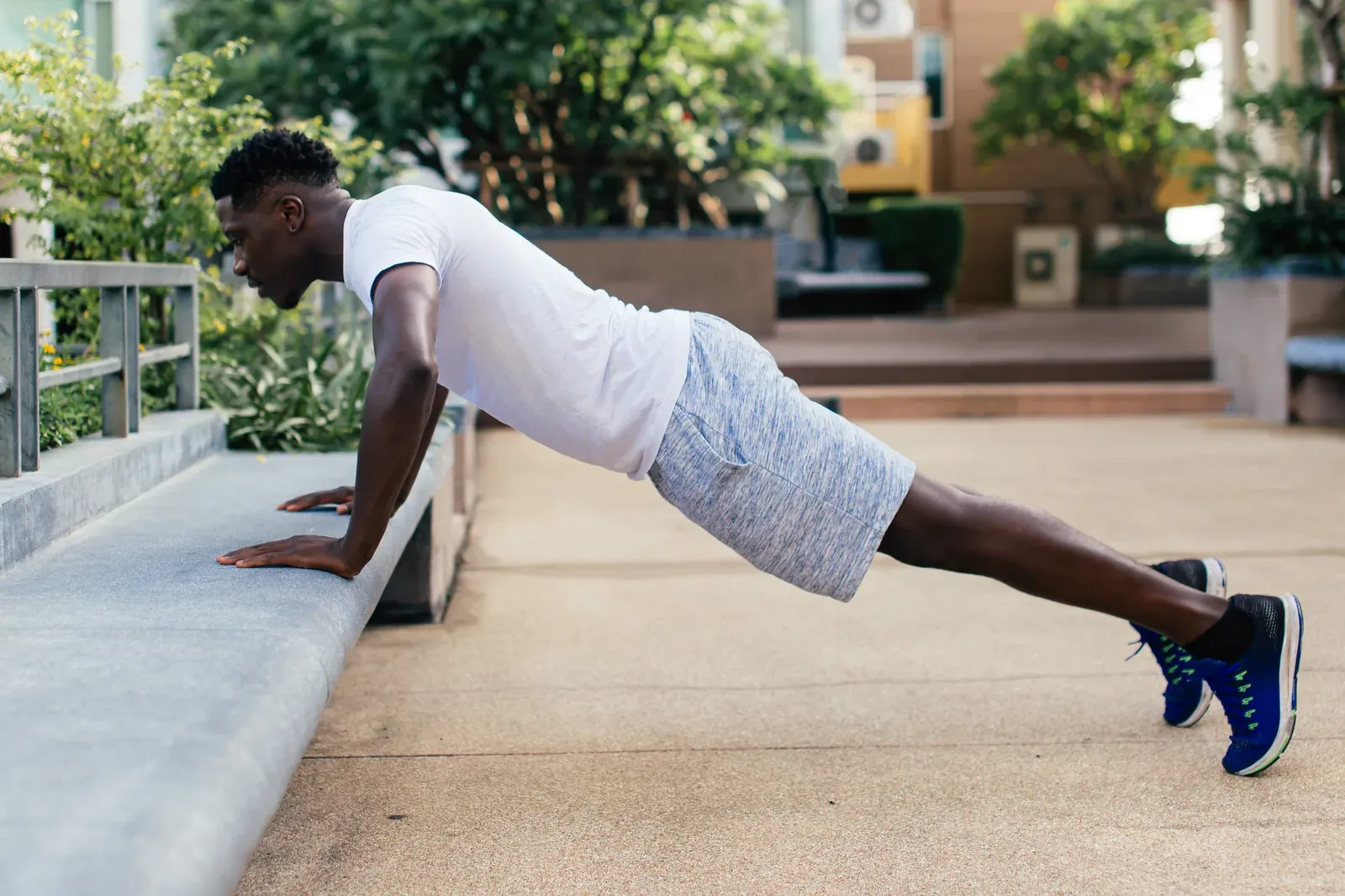
To get in shape before college, spend the summer on a ten-week routine of two or three strength sessions, daily walking and regular sleep, then finish with a no-equipment routine you can run in a dorm. It works for non-athletes and retired athletes alike, because the aim is a habit that survives a new campus, not a transformation. A routine started at home gives you a head start when the first week of classes sweeps away everything familiar.
Why the summer before is the right window
Between graduation and move-in, most students have open days, a stable sleep schedule and parents who can help with logistics. After move-in, schedules scatter: classes at odd hours, late nights and a new social world. Fitness habits that have not formed by then often do not form until later.
Think of the summer as practice at running a training week with no outside deadline. That practice is what you carry into the fall.
The ten-week plan
Use three phases. Each strength session takes 40 to 50 minutes.
- Weeks 1 to 3, learn the movements. Squat to a box, hip hinge with a light weight, push-up from an incline, row and a plank. Two sessions a week, one set of ten each, with a 20 minute walk on three other days.
- Weeks 4 to 7, add load. Move to two sets, add a modest weight and one new move such as a split squat. Optional third session of easy cardio you like.
- Weeks 8 to 10, build the habit loop. Keep sessions the same, but train at the time of day you expect to use at school and track each one in your phone.
For retired high school athletes, do not return to team-style conditioning. The plan above feels easier than practice, and that is the intention.
The dorm-ready routine
Pack this into a routine you can do in 25 minutes in a small room:
- Bodyweight squats, 3 sets of 12
- Incline or standard push-ups, 3 sets of 8 to 12
- Glute bridges, 3 sets of 15
- Backpack rows or band rows, 3 sets of 12
- Plank, 3 holds of 30 seconds
Add a walk between classes and you have a week of training that needs no gym. A resistance band weighs almost nothing in a suitcase and adds rows and presses to the list.
Habits that matter more than workouts
Three habits move your first-year health more than any program. Sleep on a consistent schedule as far as your classes allow, eat protein and fruit or vegetables at most meals, and move after long stretches of sitting. Many first-year students gain or lose weight in unplanned ways because meals become irregular, so a simple template, such as breakfast, a real lunch and one fruit or vegetable a day, helps.
Where a coach fits
A coach is not required, but a few sessions are a smart investment for a student who has never lifted: someone to teach squat and hinge patterns safely, build the plan you will carry to campus and answer the questions that internet videos do not. The college student training guide covers how break-length coaching blocks work for students in Carmel, and the teen training guide addresses younger adolescents. At FlexWerk, a parent or student can start with the free consultation, which includes an InBody scan and a free first session; coaches set their own terms.
Next step: choose a start date, write the ten-week plan on one page and screenshot it for your phone.
Related questions
How long before college should I start?
Ten to twelve weeks gives you time to build a base, but starting six weeks out still helps. The goal is a habit, so earlier is better than perfect.
I was an athlete in high school but am done with sports. What should I do?
Swap team practice for a plan you control: strength training twice a week and an activity you enjoy. Without a coach and teammates, a simple written schedule matters more than intensity.
Do I need a gym membership at school?
Many campuses offer a recreation facility, but it is worth checking before relying on it. Keep the dorm routine as a backup so a busy week never means zero training.