
A Personal Trainer for College Students Home in Carmel on Break
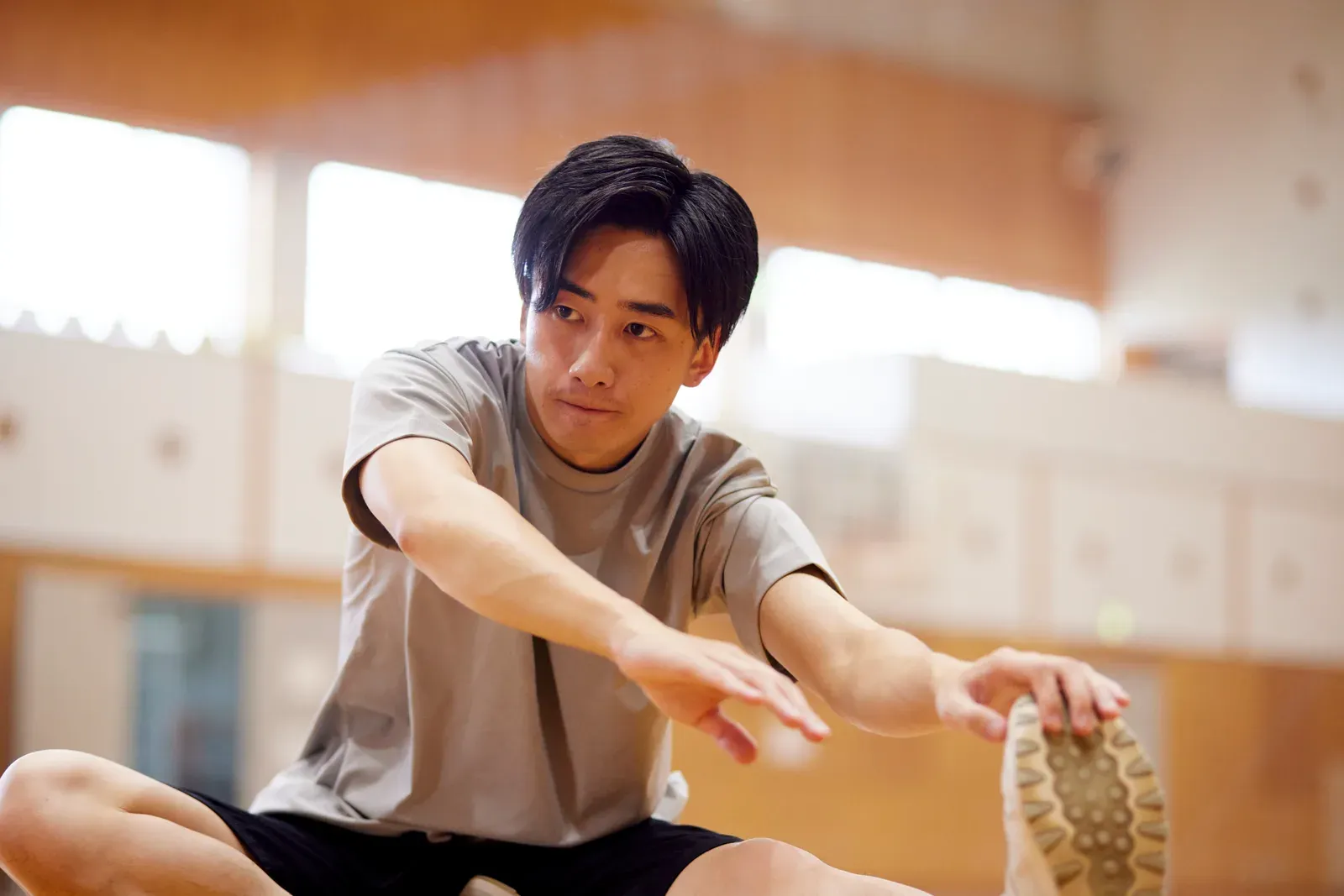
Every December and May, Carmel refills with college students who left their campus rec center, their team facility, or their good intentions behind. A break-length block of personal training, often booked by a parent, is one of the most effective gifts a student can get: athlete maintenance for the ones keeping an edge, and first-gym confidence for the ones who never got started. Coaching that fits inside a school break, in a private room with no audience, meets both kinds of student exactly where the break finds them.
The practical move is a parent-arranged free consultation: student and coach meet, goals get honest, and the block gets built around the actual dates of the break.
Two very different students, one format
The athlete home between seasons. Club and varsity athletes lose access to campus facilities the day the semester ends, and a few unstructured weeks can undo a season of strength work. A coach can run the program their college staff sent home, or build a sensible bridge block, keeping loads honest while the athlete sleeps in their childhood bedroom. The in-season versus off-season logic governs here: breaks are usually the off-season window where strength gets built rather than just maintained. Plenty of these students came up through Carmel’s enormous youth sports machine, from Dads’ Club fields to Grand Park showcases, and coached training is the natural next chapter of it; the youth athlete guide covers the younger version.
The student who never started. The freshman fifteen conversation is worn out, but the underlying reality is not: many students reach college with zero gym literacy, find the campus rec center intimidating, and quietly never go. A break-length block teaches the fundamental lifts one-on-one, from zero, with nobody watching, and sends the student back to campus with a program they can run confidently in any gym in America. That confidence transfer is the actual product; the same dynamic in younger students is covered in the teen training guide.
Both students share one requirement: a coach they actually respect. FlexConnect matching handles that deliberately, pairing by personality as much as by goals, because a coach a twenty-year-old quietly writes off is a wasted break.
What a break block looks like
- Winter break, roughly three to four weeks: two to three sessions weekly. For beginners: master the squat, hinge, press, pull, and carry. For athletes: maintain or push strength while conditioning takes its scheduled breather.
- Summer, ten to twelve weeks: the real window. Beginners build an honest base and a body-composition trend; athletes run a full off-season strength cycle, with the Monon Trail steps from the door for easy conditioning miles between sessions. A free InBody body composition scan at the consultation sets the baseline, with a re-test before campus to show exactly what the summer bought.
- The handoff: the block ends with a written program the student takes back to school, which is the difference between a good break and a changed trajectory. The re-test before campus is the graduation ceremony: numbers on paper the student earned in a month.
Carmel winters are indoor training weather anyway: January highs sit around 33 degrees, which makes a warm private suite an easier sell than a garage gym in the coldest month of the break.
Scheduling is the easy part for once: students on break have flexible days, the facility runs 5 AM to 9 PM weekdays and 7 AM to 4 PM weekends, and the suite at Carmel City Center sits steps from the Monon Trail, with garage parking a short walk away and Midtown’s coffee shops a short walk from the door for the post-session social hour.
Why the private suite matters for both kinds
At FlexWerk, sessions run in a reserved private suite: a full rack, cable system, and dumbbells that belong to the student for the hour, their music, a door, and a coach’s undivided attention. Athletes get uninterrupted bar work with no floor traffic; beginners get to be beginners with zero audience, which for many students is the entire reason it finally works. FlexConnect matches the student with a coach from more than 40 independent professionals by goals, schedule, and personality, and a coach who clicks with a twenty-year-old is a matching criterion worth naming out loud. Scheduling stays student-simple as well: sessions book by appointment, shift day to day as social calendars do, and reschedule without drama when the road trip materializes.
How parents make it happen
The clean setup runs like this: the parent arranges the consultation for the first days of break, the student and coach meet and build the block, the parent settles the pricing conversation directly with the coach, since every coach sets their own rates, and the student owns everything after that, including the free first session that lets them vote with their feet. Winter blocks fill fast because the window is short; booking before finals week means training starts the day after the drive home instead of burning the first precious week on logistics. Summer has more slack, but the students who re-test in early August are the ones who started in May.
Coaching blocks also make an unusually practical present, covered in gifting training sessions: a graduation gift with a start date, or the December box for the student who would never spend their own money on coaching. Book the consultation before the break calendar fills, and send them back to campus stronger than they left.
Related questions
Does short-term training even work? Breaks are only a few weeks.
A winter break is enough to learn the fundamental lifts properly, and a summer is enough to build a genuine base. The real product is the skill and the program the student takes back to campus, which keeps paying long after break ends.
Can parents pay while the student books the sessions?
Yes, that split is common. Parents handle the consultation and payment conversation with the coach, and the student owns the scheduling and the work. Sessions also make a practical gift for a student who would never buy coaching themselves.
My student is a college athlete. Is this still useful?
Very. Break-length blocks are where athletes maintain strength between seasons without a team facility, and a coach can run the school's program or build a bridge block. In season versus off season programming is a real distinction a coach will respect.