
Flat Butt From Sitting All Day? What Actually Fixes It
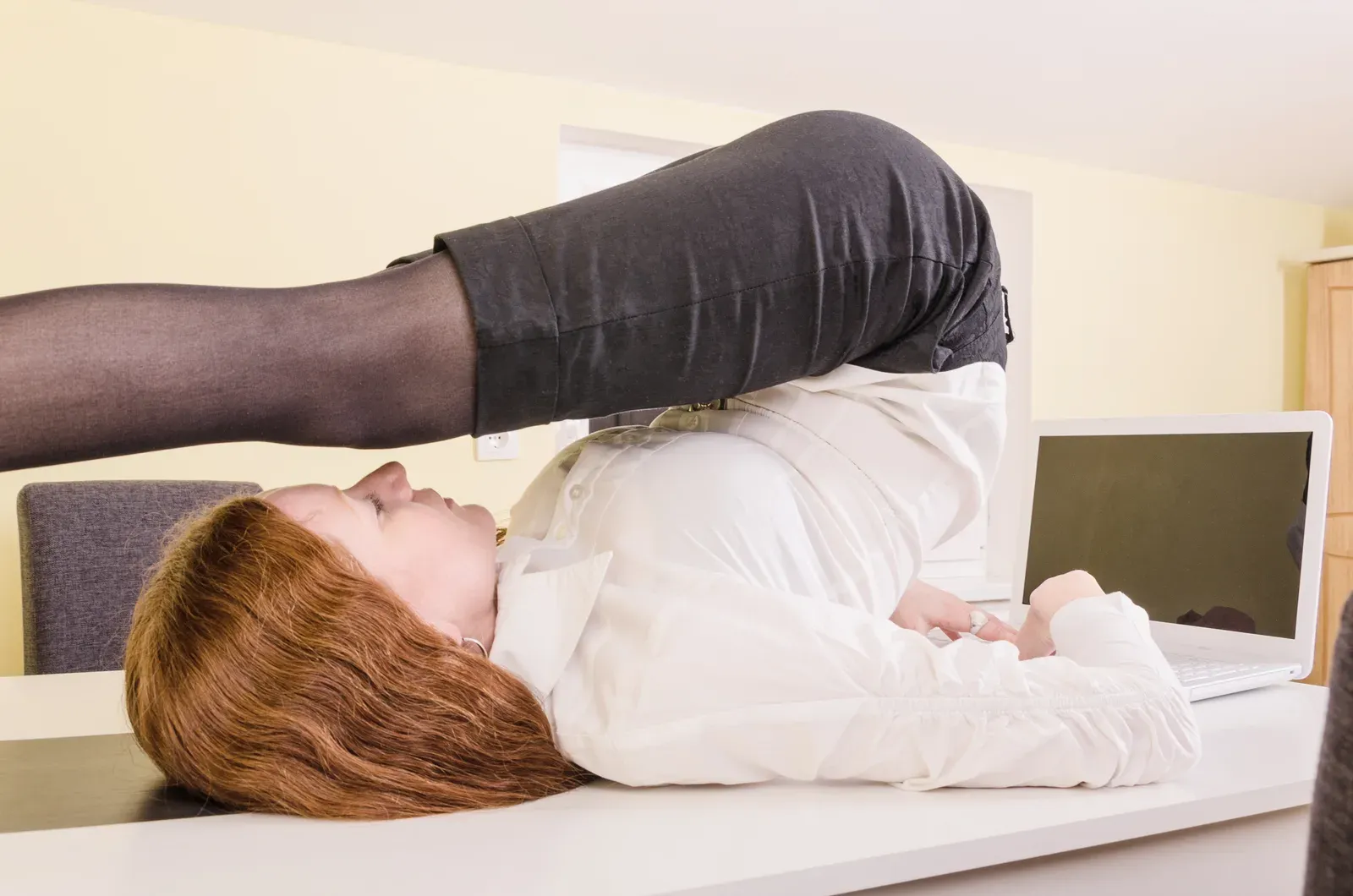
A flat butt from sitting all day is almost always a case of disuse, not of glutes that have “forgotten” how to work. Muscle that is rarely loaded shrinks and weakens, and desk life loads your glutes very little. The fix is to give them real work: heavy hip movements two or three times a week, plus regular breaks from the chair. A free consultation can show you where your strength actually stands.
Myth versus what is really happening
You may have heard that sitting causes “glute amnesia”, a condition where the muscles stop firing. Researchers have not established a neat version of that story. A more useful reading is simpler: your glutes are a large, powerful muscle group that gets almost no demand when you sit for eight hours, so they do not grow, and may shrink.
That is good news, because disuse is reversible. Muscle responds to being challenged at almost any age.
What sitting changes, and what it does not
- Changes: time under load for the glutes, hip range of motion, and often how people stand, with hips tucked or the lower back arched.
- Does not change: the structure of your pelvis, or the muscle’s ability to grow once you train it.
Sitting also raises the odds that you eat in a rhythm that adds body fat in some areas, which can make the lower body look flatter or softer independent of muscle. Both factors respond to training and overall habits.
A desk-worker glute plan in three lifts
Train two or three days a week, with a day of rest between. For each lift, do three sets and keep two reps in reserve.
- Hip thrust or glute bridge. Start with a bridge on the floor, then add a dumbbell across your hips, then move to a bench. Pause at the top and squeeze.
- Romanian deadlift. A slight knee bend, a flat back and hips pushed straight back. Feel the stretch in the hamstrings, then drive the hips forward.
- Step-up or split squat. Pick a box height where your front thigh is about level with the floor, and lead with the working leg rather than pushing off the back foot.
Add a small amount of weight or one rep every week or two. The core strength guide is a good companion, because a braced trunk helps all three lifts.
Breaks that help, and breaks that do not
Standing and walking for a few minutes every 30 to 60 minutes is good for circulation and stiffness. It will not rebuild a glute, though, because the load is too small. Treat movement breaks as maintenance and lifting as the rebuild.
The desk posture strength plan lays out the broader pattern of what sitting does to the body and how training reverses it, and the neck pain guide for desk workers covers the upper end of the same problem.
Check the basics
Eat a protein-rich meal after training days, sleep seven or more hours when you can, and track your lifts. If your weights go up over a few weeks, your glutes are growing, whatever the mirror says. Visible changes commonly take two to three months.
If hip or back pain limits you, check with a physician or physical therapist before heavy lifting.
Where to start
You can start with bodyweight bridges at home tonight. When you are ready to add load, a coach can set up the hip thrust and hinge in a private suite at FlexWerk in Carmel, where the cable system and dumbbells are in the room with you. Book a free consultation and bring a typical workday schedule so the plan fits it.
Related questions
Is glute amnesia real?
The term is popular but vague. Muscles do not forget how to work; they can be under-trained or poorly coordinated. Practicing the movement with load and good form usually restores the feel.
How often should a desk worker train glutes?
Two or three sessions a week is a common starting point, with at least a day between them. Short walks and stand-up breaks on workdays support the training but do not replace it.
Could my back or hip pain come from this?
Possibly, but pain has many causes. If you have ongoing back or hip pain, ask a physician or physical therapist before starting new lifts, and let your coach know their guidance.