
Fitness Habits to Build in Your 20s That Pay Off Later
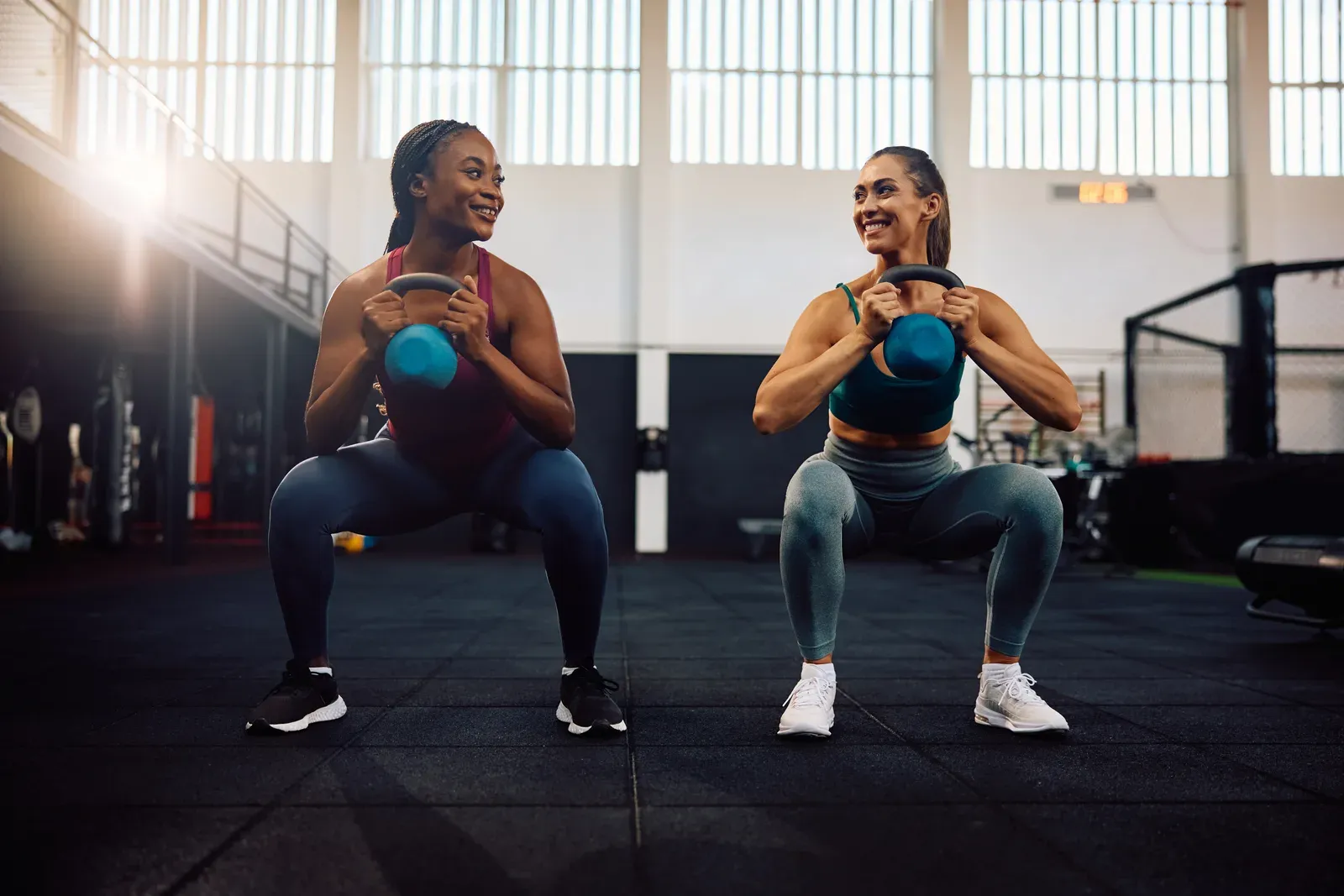
The fitness habits worth building in your 20s are regular strength training, a daily walking baseline, solid sleep and the skill of lifting well, because bone mass peaks around the late 20s to early 30s and everything after is drawn from that account. You do not need an elaborate plan. You need a few boring routines held for years. A free consultation is a low-pressure place to set them up while your schedule is still flexible.
Habit one: load your bones while they respond best
Bone density builds through adolescence and reaches its peak sometime in your late 20s to early 30s. Impact and resistance training are the signals that tell bone to build. Squats, deadlifts, jumps and carries do that, and walking alone does not do it as well. Think of this as filling a bank account; what you add now sets how much you have in your 50s and 60s.
Habit two: learn the movements
Four patterns cover most of life: squat, hinge, push and pull. Learn them while your joints are forgiving and your schedule has slack. A few early sessions with a coach to check form usually pay for themselves, and the first session guide shows what happens in one. Skills last: someone who learned a clean deadlift at 24 can pick it back up at 44.
Habit three: a walking floor
Pick a daily minimum, such as a 20 minute walk, and keep it. It sounds small, but a floor that survives travel, deadlines and hangovers is worth more than a hard plan that fails in week three. Pair it with three lifting days if you can.
A starter week
| Day | What | Time |
|---|---|---|
| Monday | Full-body strength | 45 min |
| Tuesday | Walk | 20 min |
| Wednesday | Full-body strength | 45 min |
| Thursday | Sport or cardio you enjoy | 30 min |
| Friday | Full-body strength | 45 min |
| Weekend | Hike or play | Open |
Habit four: protect sleep and drinks
Training works through recovery, and recovery works through sleep. The social side of your 20s often cuts into both. Nobody needs to live like a monk, but two nights of short sleep or heavy drinking can wipe out a week of gains. The alcohol and progress guide covers practical ways to keep your social life and your training.
Habit five: stay curious about measurement
Tracking something simple, like a lift or a walking pace, builds an honest picture. Waiting until your 40s to ask what your muscle mass looks like is a missed chance; a baseline in your 20s tells you what normal is for you. The get in shape in your 30s guide shows where these habits lead.
Habits to drop early
A few things are worth quitting before they harden. Skipping warm-ups, training only the mirror muscles, crash dieting before an event, and treating every session as a max effort all get more expensive with age. Replace them with a short warm-up, balanced pushing and pulling, steady eating and two or three sessions a week that finish with a rep or two in reserve.
What this looks like in Carmel
Many people in their 20s are building careers around the Meridian Street corridor, with unpredictable hours. FlexWerk’s suites in Carmel City Center take bookings from 5 AM to 9 PM on weekdays and 7 AM to 4 PM on weekends, and each coach sets their own terms. The consultation includes a free InBody scan, which gives you a baseline to compare against years from now.
Related questions
Do I need to lift weights in my 20s?
It is not mandatory, but resistance training is among the best long-term investments you can make. It builds muscle and bone, improves body composition and teaches skills that make later training safer.
How many days a week should I train in my 20s?
Three days of mixed strength and cardio is a strong base for most people. More is fine if you enjoy it, but frequency matters less than showing up for years.
Is it too late to start at 29?
No. Bone and muscle respond well through your 30s and beyond. Starting earlier gives you more reserve, but starting now still pays.