
Alcohol and Fitness Progress: An Honest Look
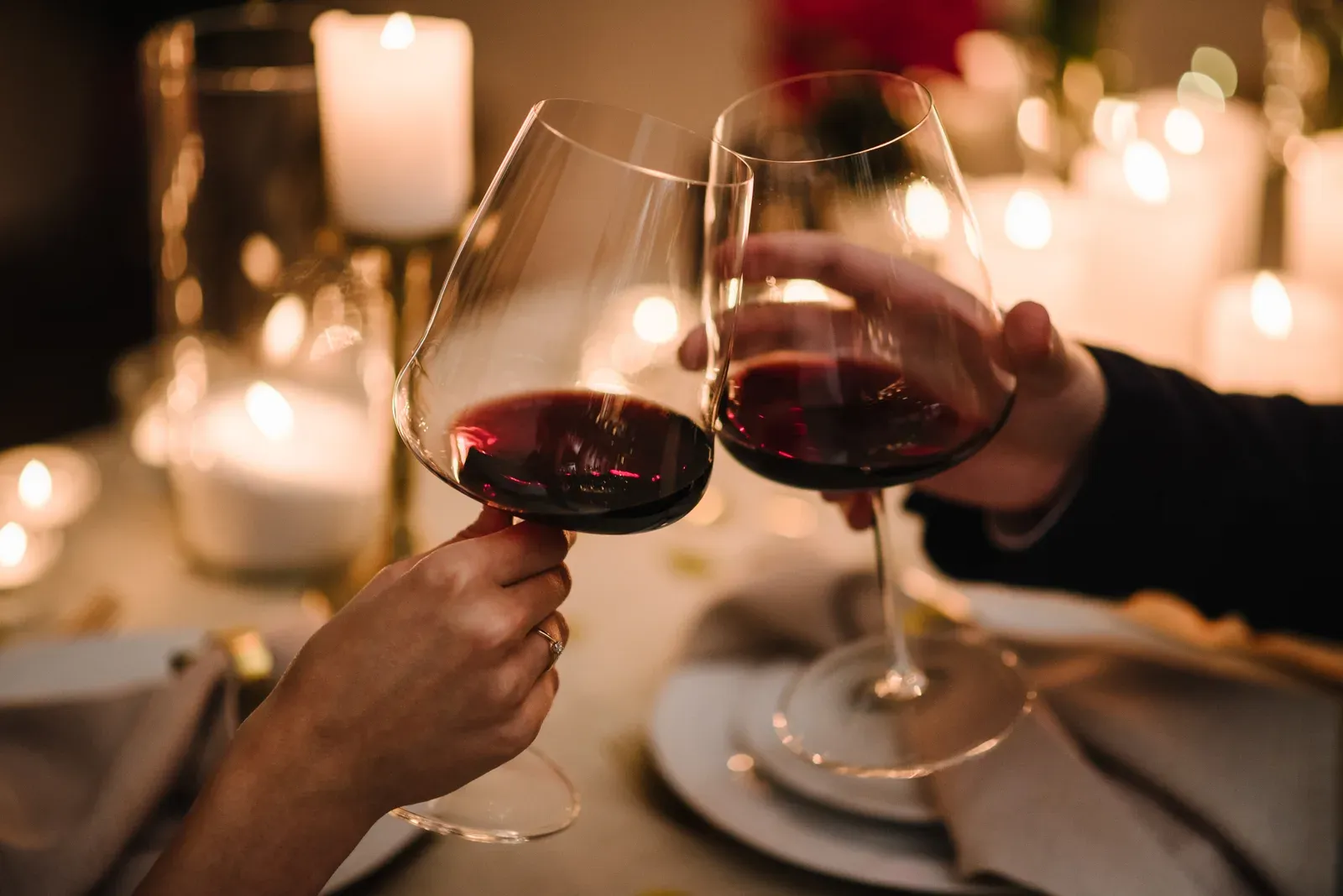
Here is the honest version, without a lecture: alcohol does not zero out your training, but it taxes it in three specific places, sleep quality, recovery, and a calorie line most people never log, and the dose and timing decide how big the tax is. A drink at dinner and a heavy Saturday are different physiological events. Knowing the difference is what lets you keep both a social life and your progress.
What alcohol actually does to a training body
Three mechanisms carry most of the cost. First, sleep: alcohol helps you fall asleep faster but commonly fragments the second half of the night, suppressing the deep and REM sleep where recovery happens. You slept eight hours and got maybe six hours of value. Second, recovery: research commonly shows that heavier doses blunt muscle protein synthesis, the rebuild process your session was supposed to trigger, with the effect strongest when drinking follows training closely. Third, calories: at roughly 150 per glass of wine or beer and more per cocktail, plus the late-night food that tends to travel with a third drink, an unremarkable social week can quietly add a couple thousand calories.
None of that makes alcohol uniquely evil; it makes it a real line item. People who track everything else and wonder why progress stalled are often looking at this one, which is why coaches ask about it without judgment: the plan has to fit the life. If you want a plan built around your actual week, drinks included, that conversation starts with a free consultation, and the eating side of the same audit is covered in nutrition habits that support training.
The dose makes the difference
Averages hide everything here, so think in honest tiers:
- A drink or two, once or twice a week, not near training: measurable cost close to zero. If this is you, your progress is being decided elsewhere.
- A few drinks most nights: the sleep tax compounds nightly, recovery runs permanently a step behind, and the calories rival a daily dessert habit. Progress continues but noticeably slower.
- Light weeks, heavy weekends: the pattern that surprises people. One big Saturday can dent sleep quality for a night or two, wipe out the weekend’s recovery, and deposit a thousand-plus calories, so Monday’s body is still paying for it.
Timing tilts the math too: the same two drinks land softer at a 5 PM patio than at 11 PM, because the late version rides straight into your sleep architecture.
Notice what is not on the list: any tier called “ruined.” Training on four days a week of honest effort beats not drinking and not training every single time. The mistake is not having a beer; it is letting the beer become the reason the plan quietly shrank.
Sleep is the biggest hidden cost
If you only manage one variable, manage this one, because sleep is where alcohol does its quietest damage. The fragmented second half of the night degrades exactly the recovery that turns sessions into results, and it also raises next-day appetite, which stacks a second cost on top. The full mechanics of why that matters are in sleep and training results, but the practical rule is simple: the closer to bedtime and the bigger the dose, the worse the trade. A drink at a 6 PM dinner and the same drink at 11 PM are different decisions.
This is also why “I can train through a hangover” misses the point. The session happens; the adaptation it was supposed to buy partially does not.
A playbook for a real social calendar
Carmel does not exactly make abstinence easy: patio season runs all summer along the Monon, and from November through February the Christkindlmarkt pours gluhwein at Carter Green a few steps from City Center. The goal is not opting out of your life. It is a handful of rules that keep the tax small:
- Protect the night before training. Put drinks on rest-day evenings when you can; the same drink costs less there.
- Set the number before the event, not during it. Two, decided in the car, survives the evening; “we’ll see” does not.
- Eat protein first and alternate with water. Both blunt the appetite spiral that does more damage than the drinks themselves.
- Spend your drinks where they matter. The anniversary dinner, yes. The Tuesday couch beer, probably not. Most people can cut half their weekly alcohol without cutting any of the fun.
- Next morning: train lighter, not never. Keep the appointment, drop the intensity.
- Make the zero-proof option boring-easy. A decent non-alcoholic beer or a soda water with lime covers the social function of a drink far more often than people expect.
What this looks like with a coach
An honest coach treats alcohol like any other recovery variable: it goes in the check-in next to sleep and stress, it gets planned around rather than preached about, and its cost shows up objectively in the InBody re-tests every few weeks, so nobody has to argue from feelings. Plenty of FlexWerk clients drink socially and progress fine; the difference is that it is a decision inside the plan instead of a leak under it. If your training has felt stuck while your effort has felt real, this is one of the first places worth an honest look, and the free consultation at Carmel City Center is a fair place to have it.
Related questions
Will a glass of wine ruin my fitness progress?
No. An occasional drink or two is generally compatible with steady progress. The costs show up with frequency and volume, mostly through disrupted sleep and uncounted calories, not through any single glass.
Should I skip training the day after drinking?
Usually train lighter rather than skip. A moderate session the next day keeps the habit intact; just expect reduced output and treat it as a maintenance day, not a personal-record attempt.
Does alcohol block muscle growth?
Research commonly shows blunted recovery and muscle protein synthesis after heavy drinking, especially right after training. At light-to-moderate doses the direct effect is modest; the indirect cost through sleep is usually bigger.