
Exercise With a Stiff Big Toe or Bunion: Train Around It
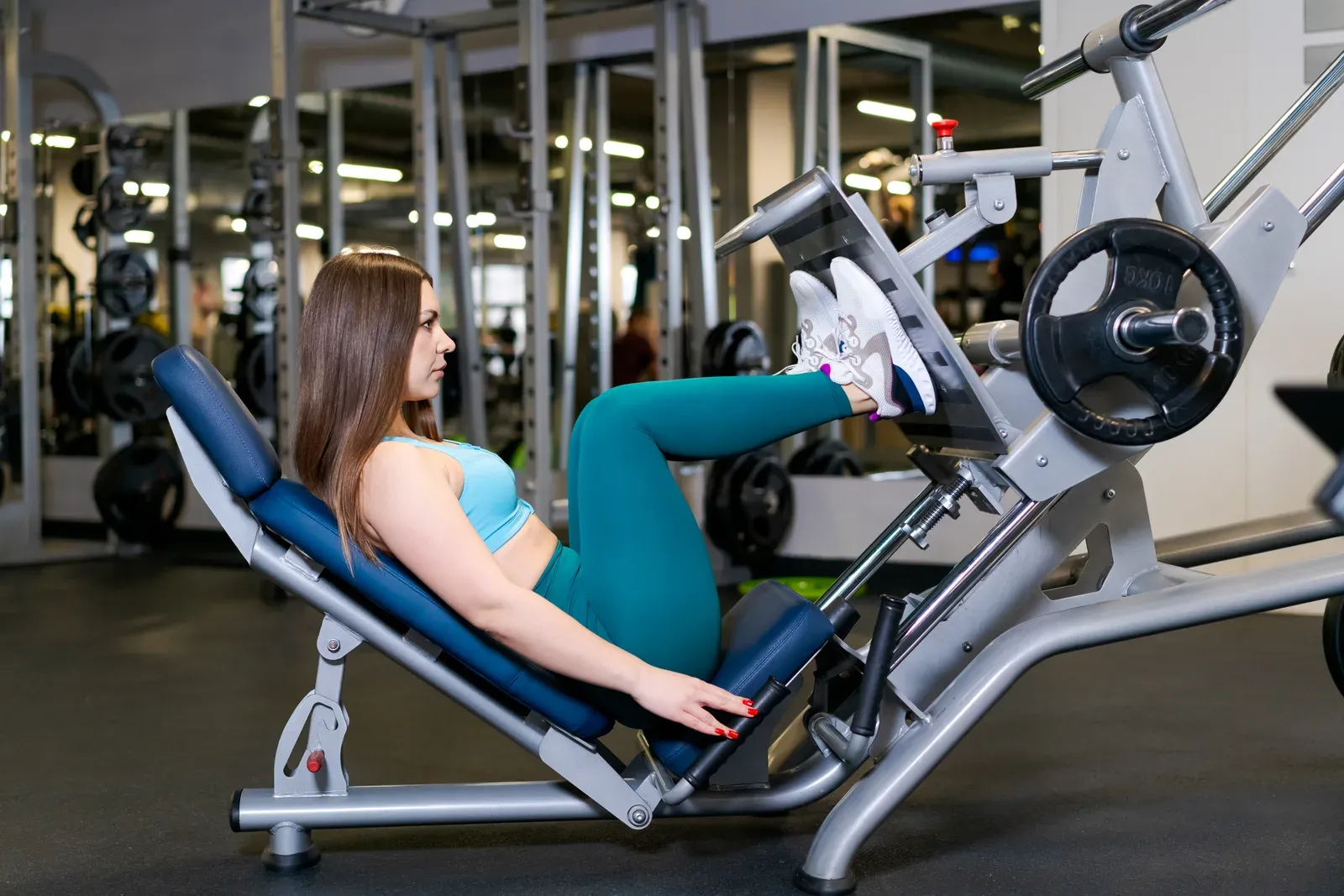
Anyone whose big toe will not bend the way it used to quickly learns how many exercises quietly rely on it. Exercise with a stiff big toe or bunion usually continues around the problem once a podiatrist or physician has looked at it, with the lower body and cardio plan swapped toward movements that do not force the toe to bend. Sorting those swaps out with a coach from a free consultation is practical work, and none of it replaces a foot specialist’s evaluation.
Why one toe affects the whole workout
Push-off during walking, lunging, stepping and calf work all happen through the big toe joint. When that joint is stiff, painful or crowded by a bunion, people compensate by rolling to the outside of the foot, shortening their stride or avoiding movements. Those compensations can load the knee, hip or other foot structures, so it is better to adjust deliberately than to improvise. Your clinician can tell you what is going on in the joint; your coach can tell you which movements you are avoiding without noticing.
Swap list: what changes and what stays
| Usual exercise | Where the toe struggles | Common swap |
|---|---|---|
| Walking lunge | Needs the toe to bend at push-off | Split squat with a shallower range, or supported leg press |
| Standing calf raise | Full toe extension under body weight | Seated calf raise with the foot flatter |
| Step-ups | Toe flexion at the top | Lower box height, or a box-squat variation |
| Jump rope or running | Repeated toe push-off | Rower, curved treadmill at walking pace or CLMBR |
| Barefoot balance work | Toe grip demand | Balance work in supportive shoes |
Deadlifts, hip hinges, leg presses, upper body training and seated work often stay unchanged. Which swaps are right for you depends on your clinician’s guidance and how the joint responds that day.
Footwear and surfaces matter
Shoes with a stiffer sole and a roomy toe box often feel better when toe motion is limited, and a narrow toe box can make a bunion worse. Try to test shoes on the actual exercises you do, not in a shop. A coach notices what you do not: how your foot rolls, whether you favor one side, and whether a different stance feels better. Fitting, inserts and any surgical question belong to your podiatrist.
When to see a podiatrist
Make the appointment instead of waiting if any of these apply:
- Pain at night or at rest.
- Swelling, redness or warmth around the toe.
- A bunion that is changing shape or rubbing.
- Numbness or tingling in the toe.
- Pain that is steadily worsening despite lighter activity.
Because diagnoses overlap, a clinician should sort out whether this is joint wear, a bunion or something else. If heel or arch pain is also part of your picture, the plantar fasciitis coaching guide covers how a coach works around a foot that needs patience, and the ankle replacement guide shows how lower body clearance is handled after a bigger procedure.
Questions to ask your podiatrist first
- Which movements should I limit or avoid for now?
- Is a particular shoe style or insert recommended while I train?
- Should I see you again before increasing load or impact?
- What would tell me to stop immediately?
How coaching fits
A coach plans swaps, tracks how the toe feels from week to week and keeps the rest of your body progressing. The free consultation includes a free InBody scan and a conversation about what movements bother you. Each coach sets their own terms, so ask who has experience adapting lower body training around foot problems.
Related questions
Should I stop working out if my big toe hurts?
Not necessarily, but get it evaluated. A podiatrist or physician can tell you whether it is joint stiffness, a bunion or something else, and what level of activity is reasonable meanwhile.
Can I still do squats and deadlifts?
Often yes, with adjustments to stance and footwear, depending on your clinician's advice. Pain that sharpens under load is a reason to stop and ask.
Do toe spacers or special shoes help?
That is a podiatry question. A coach can help you notice how different footwear feels during sessions, but fitting and orthotics belong to your foot specialist.