
Training With Plantar Fasciitis: Where a Coach Fits
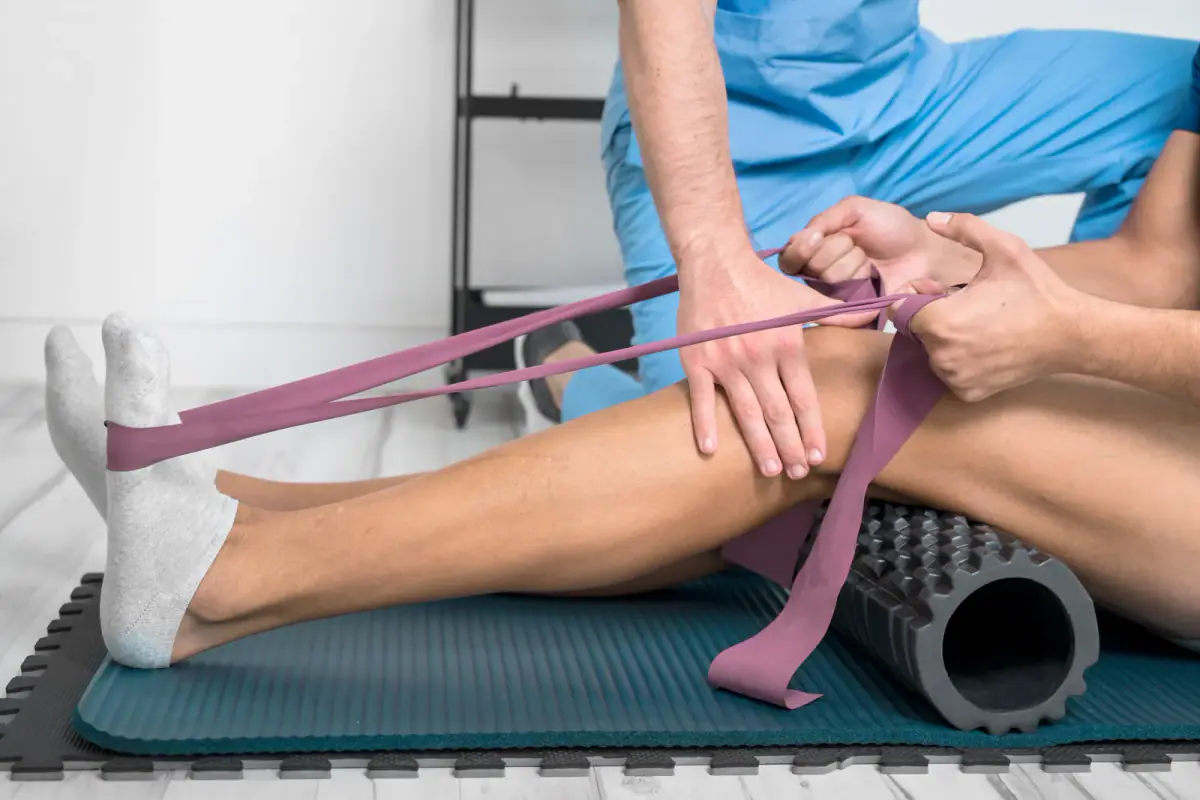
A personal trainer does not treat plantar fasciitis. Heel pain is your physician’s or physical therapist’s to diagnose and manage, and a coach’s role begins only after your clinical team has cleared you for general exercise. What a coach can legitimately offer, inside that clearance, is a way to keep the rest of your body training while the foot follows its clinical plan. If that is what you are looking for near Carmel, a free consultation is the place to bring your clinician’s guidance and find out what a modified program would look like.
Clearance comes before any coaching
See your clinical team first, and let them define the boundaries. Before a coach programs anything for someone with an active heel complaint, three things need to exist: a clinician who knows about the symptoms, their go ahead for exercise, and their instructions about what the foot can and cannot be asked to do right now. A responsible coach will ask for all three, follow the instructions exactly, and route any change in symptoms back to the clinical team rather than adjusting on their own theory. The precise boundary between the two professions gets drawn in trainer versus physical therapist.
What a coach can modify once you are cleared
Cleared training around plantar fasciitis is mostly a matter of taking weight and impact off the foot without taking the training week away from you:
- Less standing, more support. Strength work shifts toward seated, supported, and floor based setups, so the session stops billing the heel by the minute.
- Impact waits for permission. Jumping and running style conditioning stay out until the clinical team says otherwise, with lower impact options filling the conditioning slot in the meantime.
- Upper body and trunk carry the block. Most of a training week never needed the foot, and a coach reweights the program toward everything that is still fully available.
- Assigned exercises keep their place. If your physical therapist has given you foot or calf work, the coach schedules around it and never rewrites it; the clinician’s homework outranks the training plan.
- Progression follows the foot’s response, judged against your clinical team’s guidance rather than a timeline anyone made up.
This is the same disciplined approach that applies to training around any injury: the healthy majority of your body keeps working while the affected part stays under clinical management.
What stays out of a coach’s scope
The boundaries are as important as the modifications. A coach working with a plantar fasciitis history does not diagnose why your heel hurts, does not promise the condition will improve on any schedule, does not perform hands on treatment of the foot, and does not advise on footwear, inserts, or orthotics; every one of those questions goes to your physician, physical therapist, or podiatric specialist. If discomfort flares during a session, that exercise ends and the information goes to your clinical team. Sharing the full picture up front is what makes this work, and how to tell a trainer about an injury covers that conversation.
Why the setting helps a foot that needs patience
A private reserved room suits this situation better than a busy floor. Sessions in FlexWerk’s Carmel City Center rooms run one on one, seated and supported setups are arranged before you arrive, and there is no crowd tempo pressuring you to stay on your feet between sets. FlexConnect matching can also weight toward coaches who program conservatively by habit, which is worth requesting when you name the condition. Bring your clinician’s notes to the consultation, let the coach build only inside them, and the months your heel needs from the clinical team do not have to cost the rest of your training.
Related questions
Can a personal trainer fix plantar fasciitis?
No. Heel pain needs a diagnosis, and diagnosis and treatment are clinical work reserved for your physician or physical therapist. A coach's legitimate role begins afterward: keeping the rest of your training going within whatever limits your clinical team sets.
Should I stop exercising completely until my heel improves?
That decision belongs to your clinician, not to a default assumption. Many people are cleared to keep training in ways that spare the foot, and if your clinical team agrees, a coach can build those sessions so the rest of your fitness does not sit idle.
What should I bring to a first session if I have plantar fasciitis?
Your clinician's guidance, ideally in writing: what is allowed, what is off limits, and any exercises they have assigned. A good coach programs inside those lines exactly and treats any change in symptoms as a reason to check back with your clinical team.