
Exercise After Ankle Replacement: Life After Rehab
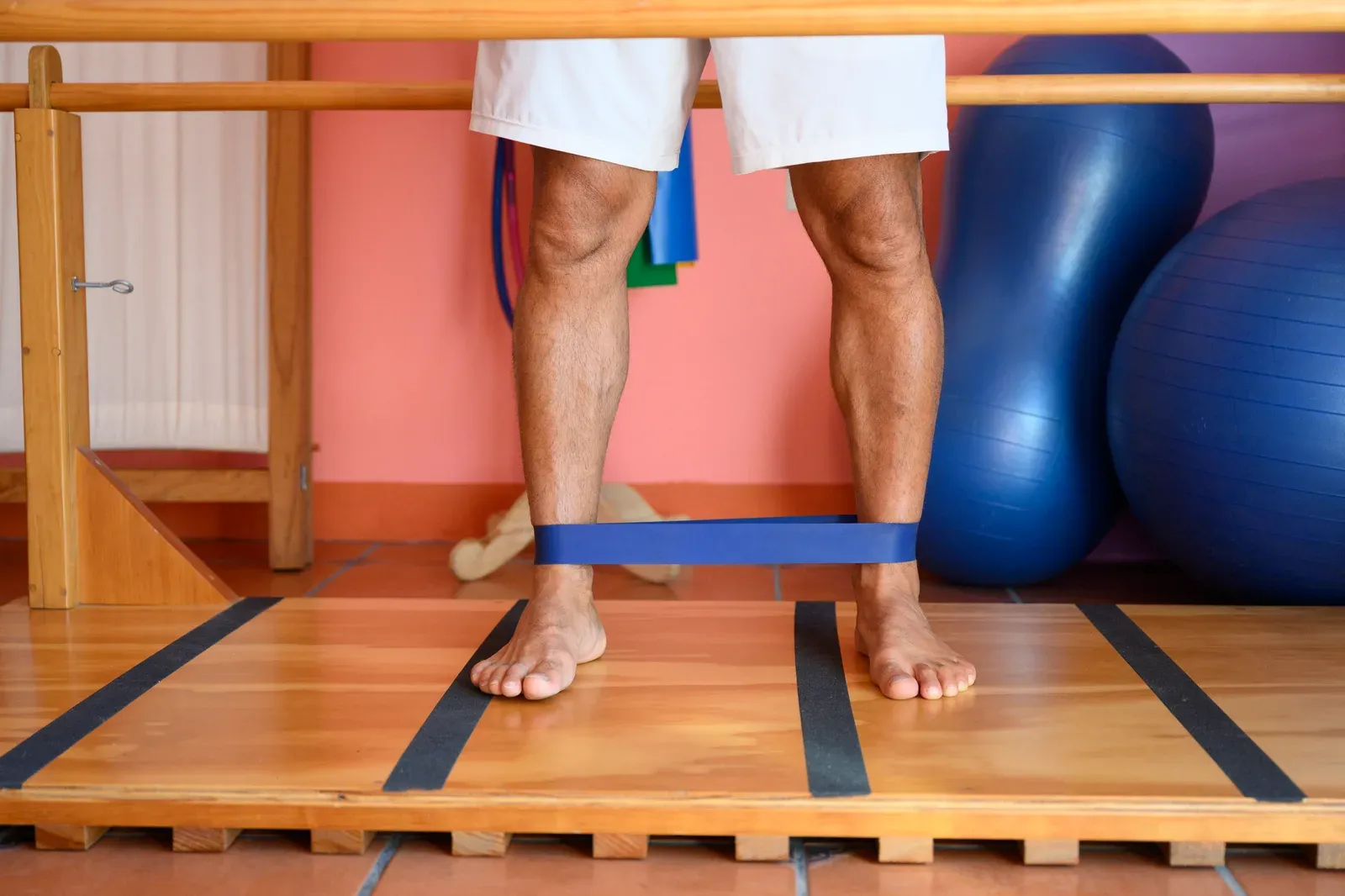
After an ankle replacement, wait for your surgeon and physical therapist to clear independent exercise in writing, then build strength and balance through the whole leg while keeping to the activity limits they set. Rehab gets you walking again; training after rehab keeps the rest of the chain strong enough to support the joint. A free consultation is a good place to plan that handoff with a coach who will work inside your limits.
What “after rehab” means
Discharge from physical therapy is not a green light for everything. It usually means the structured recovery phase is done and you can manage activity on your own with guidance. Ask your surgeon and therapist what remains restricted, and for how long.
Questions to ask your surgeon or physical therapist first:
- Which activities are cleared, and which need caution or are off the table?
- Is there a limit on impact, twisting, or loaded movements at the ankle?
- Which balance and strength exercises do you want me to keep doing?
- What swelling, pain or instability should make me stop and call?
- Would you give me a written summary I can share with a trainer?
The plan builds the whole leg
An ankle does not work alone, so training spreads the load:
- Hips and thighs. Sit-to-stand patterns, supported squats and step-ups, as cleared, build the large muscles that share the work.
- Calves and feet. Controlled calf and foot exercises, progressed only as your team allows.
- Balance. Standing weight shifts, tandem stance and single-leg practice near a support, advancing slowly.
- Upper body and core. Seated and standing work that keeps you training when the ankle needs a lighter day.
The principles resemble those for training an unstable ankle, though a replaced joint comes with a surgeon’s own restrictions that take priority.
Impact and everyday activity
Activities that are gentle on joints often return first: walking, stationary cycling and elliptical-style movement, if your team agrees. Running, jumping and sports with sudden stops are a different category, and the decision about them sits with your surgeon.
A coach should not argue with that limit. They can offer low-impact conditioning that raises your heart rate without pounding the joint, and keep you moving while you wait for answers.
How a coach keeps it safe
Look for a trainer who will:
- Ask for your written clearance and follow it.
- Watch your gait and stance, and note changes in swelling or comfort.
- Choose footwear and surfaces carefully, with a firm, stable base.
- Stop the session for new pain or a sense of giving way.
- Share observations with your clinicians, with your permission.
That sort of coordination echoes the guidance in training around an injury and personal training after hip replacement, another joint replacement with its own rules.
Footwear, surfaces and stairs
Ask your surgeon whether any brace or specific shoe is advised. Wear a stable, supportive shoe for training, and favor even surfaces. Stairs are a good, practical test: practice them with a rail within reach, lead with the stronger leg going up, and notice whether the ankle feels steady or guarded.
Starting at FlexWerk
At FlexWerk, coaches work in private suites with room to move and rest as you need, and each is an independent professional who sets their own terms. Bring your surgeon’s note and goals to the consultation, and ask each coach how they have supported people after joint surgery before choosing.
Related questions
Can I use my ankle normally once rehab ends?
Everyday use is the usual goal, but the details are yours to confirm. Ask your surgeon which activities are fine, which need caution and which to avoid, and get that in writing.
Will a trainer rehab my ankle?
No. Rehabilitation belongs to your physical therapist. A trainer builds general strength and fitness around the limits your clinical team sets.
What activities do people commonly return to?
Walking, cycling, swimming-style low-impact work and strength training are common. High-impact or sudden-change-of-direction sports are a conversation to have with your surgeon.