
Dance Team Conditioning in Carmel: Strength Behind the Routine
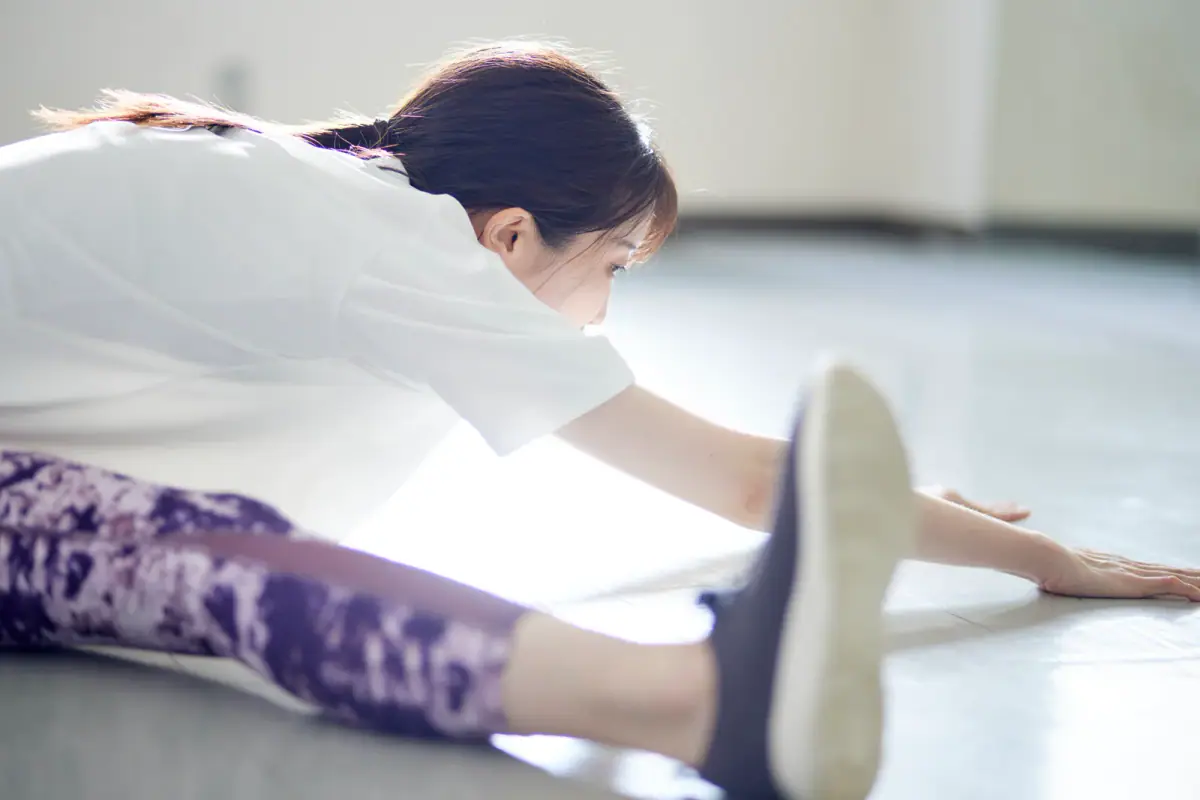
A dance team athlete rehearses range, precision, and stamina for hours every week, and almost nothing in that schedule trains force: the leg, hip, and trunk strength that controls a one-leg landing, holds a lift steady, and survives months of counts on unforgiving floors. That gap is exactly what conditioning for dance and pom athletes in Carmel exists to close, and the way in is a free consultation where a coach meets the dancer, runs a free InBody baseline, and maps the work to her actual season.
Why flexible and conditioned are not the same as strong
Dance produces a distinctive athlete: exceptional mobility, strong movement memory, real cardiovascular stamina from full-out run-throughs, and very little exposure to progressive resistance. The missing quality shows up at the floor. Every leap ends in a landing that loads one leg with far more than body weight, every turn sequence asks the ankle and hip to stabilize at speed, and every lift asks the trunk to be rigid on demand. Those are strength events, and repetition alone does not build strength; it only spends whatever strength is already there. A dancer can be the most conditioned athlete in her school and still be under-equipped for the forces her own choreography generates.
The strength behind common dance-team complaints
Ask around any team and the same body parts come up: ankles, knees, hips, lower backs. The coaching response is not to treat any of it, pain always goes to a physician or athletic trainer first, and a coach works alongside that guidance, never around it. What a conditioning program does is build capacity in the tissues the sport taxes hardest:
- Calf and foot strength for relevé volume and jump landings, trained heavier than dancers expect and lighter than they fear.
- Single-leg strength and control, because dance is overwhelmingly a one-leg sport and barbell-style two-leg training alone misses that reality.
- Hip strength through rotation, supporting turnout with muscle rather than forcing it from the knee down.
- Trunk stiffness on demand for lifts, poms, and the still upper body that clean choreography reads on.
Loading around the dance calendar
The dance year has a shape, and the program follows it. The build window is audition season: the two or three months before tryouts, when heavier strength and landing work can run without a Friday-night performance to protect, so the dancer walks into the gym on evaluation day at her most powerful. Summer camp weeks stay light. Once sideline season and winter competitions arrive, the program flips to maintenance: one short session a week, no soreness that lasts past a day, nothing new introduced during performance weeks. The rule a coach programs by is blunt: the team’s routine always outranks the training plan, and a session that compromises a performance was the wrong session.
A format built for dancers, not around them
Sessions at FlexWerk run in a reserved private suite at Carmel City Center, which suits this athlete unusually well. Learning to lift is an awkward-phase skill, and doing that learning without a gym-floor audience matters to teenagers in a sport built on being watched. The room’s monitor lets a coach film a landing or a loaded jump and correct it on the spot, one-on-one or with two to four teammates splitting the hour, the tiny-group format described on the small group training page. Parents are welcome in the room, hours run 5 AM to 9 PM weekdays and 7 AM to 4 PM weekends around practice blocks, and FlexConnect matches the dancer with a coach experienced with youth and aesthetic-sport athletes, the same supervised, technique-first approach covered in our youth athlete training guide. Dancers crossing over from gymnastics will recognize the logic in our gymnastics strength answer: the sport’s own hours create the imbalance, and one different hour corrects it.
If your dancer’s next audition or season is on the calendar, the strength that supports it should be too. Book the consultation and build backward from the date.
Related questions
Will strength work ruin a dancer's lines or flexibility?
No. Strength training through full ranges preserves and often improves usable flexibility, because the dancer gains control at the end ranges she already owns. The rigid-lifter stereotype comes from programs dancers would never be given.
When in the year should a dancer start conditioning?
Ideally two to three months before auditions, so power and landing control peak when they are being judged. A mid-season start still pays; the doses just start smaller and stay performance-friendly.
Can teammates train together?
Yes. A standard private room fits one or two dancers and a larger room takes up to four, so pairs and small teammate groups are common. The coach still watches every rep, which is the point of keeping the group tiny.