
How to Build Upper Body Strength for Women
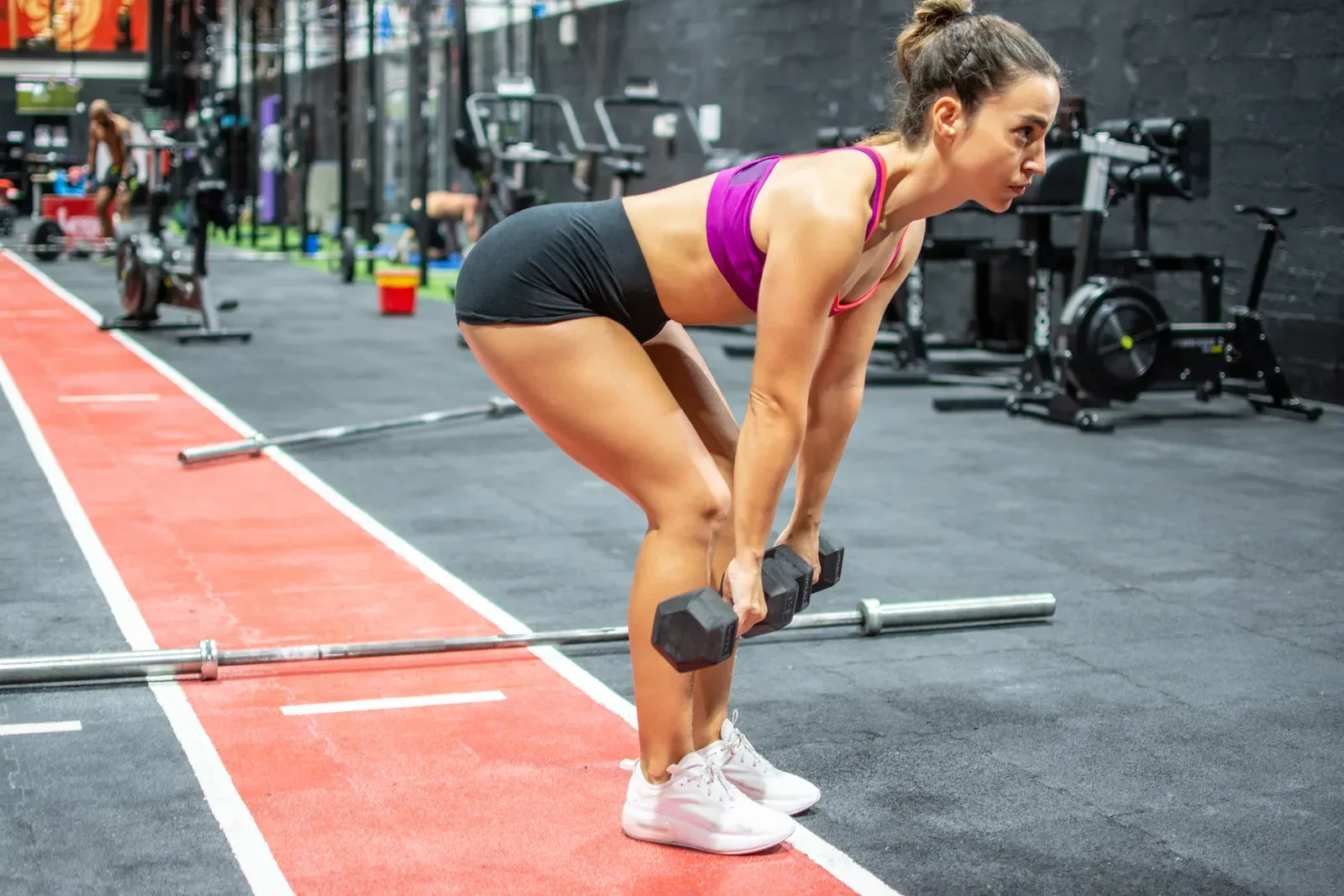
To build upper body strength as a woman, train three patterns twice a week, pushing, pulling and pressing overhead, and add a small amount of reps or weight on a set schedule until each milestone below feels routine. Arms and shoulders lag for most women for ordinary reasons: there is less muscle there to start with, and daily life seldom loads it. Both are fixable. If you want a coach to check form and set the schedule, a personal trainer for women can do that in the first session.
Why the upper body lags
Many women carry proportionally more muscle in the legs than in the arms and shoulders, and everyday tasks use the legs more. Without direct training, the upper body stays under-challenged. There is also a confidence gap: people who have never pressed or rowed heavy things often assume they cannot. They can. Strength rises quickly at first because the nervous system learns the movements, which is why beginners get early wins.
The three-pattern progression
Train each pattern twice a week, ideally with a day between sessions. Move up a rung when you can finish all sets with clean form.
Push (chest, shoulders, triceps)
| Rung | Exercise |
|---|---|
| 1 | Wall or countertop push-up, 3 x 10 |
| 2 | Incline push-up on a bench, 3 x 8 to 12 |
| 3 | Dumbbell bench press, 3 x 10 |
| 4 | Floor push-up or heavier press, 3 x 6 to 10 |
If the floor push-up is your goal, the first push-up ladder breaks it into smaller steps.
Pull (upper back, biceps)
| Rung | Exercise |
|---|---|
| 1 | Resistance band row, 3 x 12 |
| 2 | Seated cable row or one-arm dumbbell row, 3 x 10 |
| 3 | Lat pull-down, 3 x 8 to 10 |
| 4 | Assisted chin-up or band-assisted pull-up, 3 x 3 to 5 |
Overhead (shoulders)
| Rung | Exercise |
|---|---|
| 1 | Seated dumbbell press with light weights, 3 x 10 |
| 2 | Landmine or half-kneeling press, 3 x 8 |
| 3 | Standing dumbbell press, 3 x 8 |
| 4 | Heavier load or slower tempo |
Add one or two exercises for biceps and rear shoulders, such as curls and face pulls, once the main lifts are settled.
Dosing the loads
Choose weights that leave about two reps in reserve at the end of each set. When every set hits the top of the range, increase load by the smallest step the equipment allows, or add a rep per set. Progress should feel steady rather than dramatic. The heavy versus light weights guide describes how rep ranges relate to strength and shape.
Milestone checks
| Time | What you should be able to do |
|---|---|
| Week 4 | Incline push-ups for 3 sets of 10; rows with clean form and no shrugging |
| Week 8 | A set of 8 dumbbell presses at a weight that felt heavy at week 1; 5 floor push-ups from the knees or toes |
| Week 12 | Full floor push-ups, a pull-down on a noticeably heavier stack than week 1, and an assisted chin-up |
These are guides, not rules; shoulder history, age and training history shift everything. Take a monthly photo and log your top sets.
Protecting your shoulders
Warm up with arm circles, band pull-aparts and a light set. Keep the shoulder blades gently set, and do not flare elbows wide on presses. Sharp pain in the shoulder, neck pain that travels down the arm, or numbness in the hand should be checked by your physician or a physical therapist before you push on.
Making it stick
Ten minutes of upper body work added to a lower body day often fits an existing routine easily. For a full structure, the beginner weight training guide shows how the pieces fit into a week.
Related questions
How long does it take to build upper body strength?
Most beginners notice stronger pushing and pulling within four to six weeks, since early gains come from the nervous system learning the movement. Visible change in the arms and shoulders takes longer, often a few months.
Will upper body training make my arms bulky?
Not by accident. Women typically gain firm, defined muscle slowly. If you ever want less size, you control that by changing volume and food.
Do I need a gym for this?
No. Bands, dumbbells and a sturdy surface go a long way. A gym or private suite adds cable machines and heavier loads for later progress.