
Should Women Lift Heavy or Light Weights for Results?
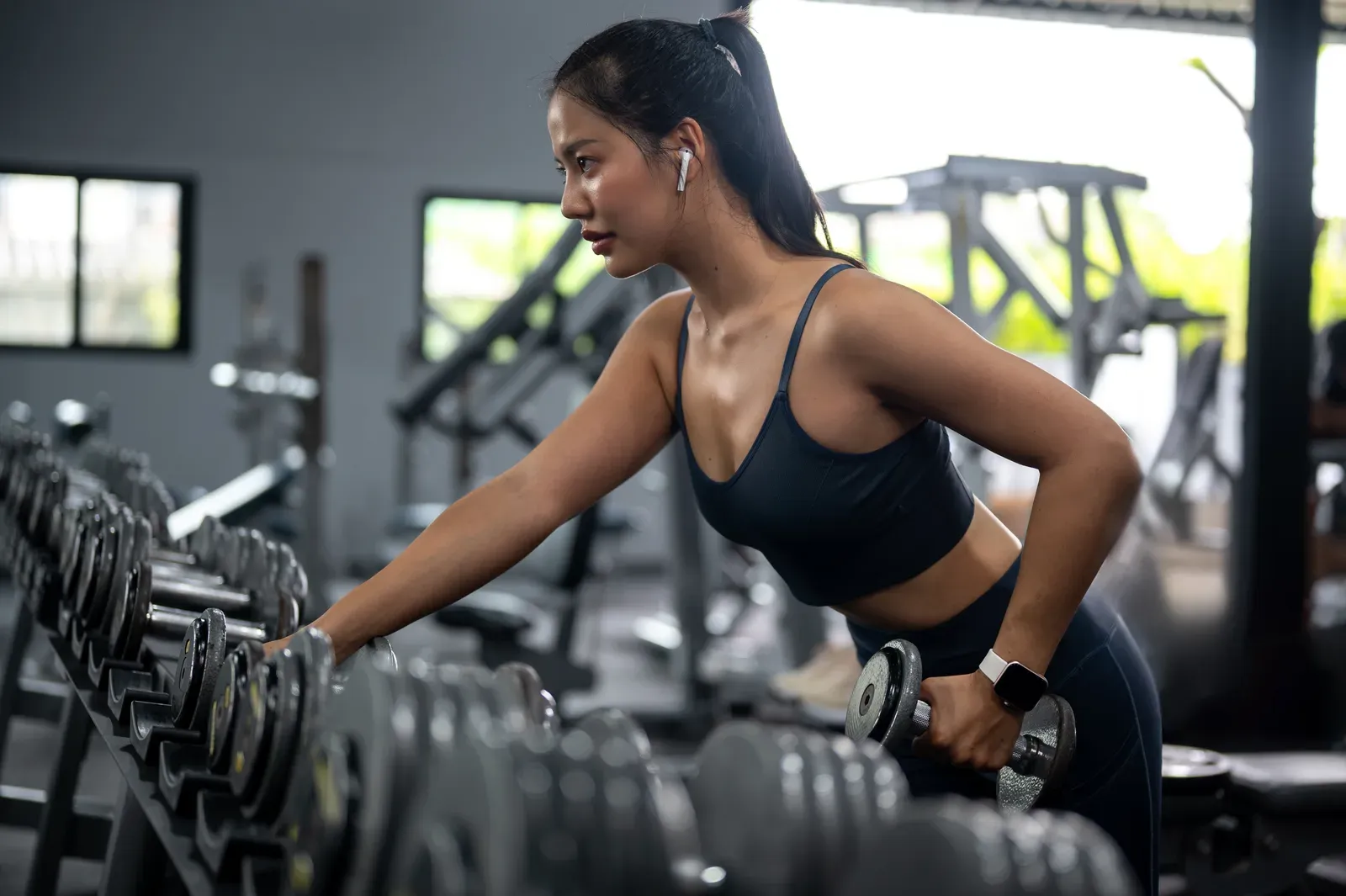
Women should lift weights that feel challenging for the rep range they choose, and for most goals that means a mix: heavier sets of about 3 to 6 reps for strength, and moderate sets of 8 to 15 reps taken close to failure for muscle and endurance. The label “heavy” matters less than effort. Three pound dumbbells that never get hard do little, while a lighter weight lifted until the last reps are tough works nicely. A personal trainer for women can calibrate this in one session.
Match the load to the goal
Different aims reward slightly different loading. This table is a starting framework, not a prescription.
| Goal | Rep range | How hard | Why |
|---|---|---|---|
| Maximum strength | 3 to 6 | Last rep tough, 1 to 2 in reserve | Heavy loads train the nervous system and force output |
| Shape and muscle | 6 to 15 | 1 to 3 in reserve, final sets close to failure | Muscle grows across a wide range when effort is high |
| Bone support | Heavier loads, 5 to 8 reps, plus safe impact if cleared | Challenging, with good form | Bone responds to higher forces than daily life provides |
| Fat loss | Any of the above | Challenging | Lifting protects muscle while you eat less |
| Joint-sensitive days | 12 to 20 | Controlled tempo, near failure | Lighter loads still work when effort is real |
“Tone” is not a separate tissue. It is muscle with a lower body-fat layer over it, so you build muscle with the first three rows and lose fat with nutrition and activity.
The rep test for a first weight
Choose an exercise, pick a dumbbell, and do reps with controlled form until you feel the next one would be shaky. Count what you did.
- If you got 15 or more, the weight is too light; step up.
- If you got 8 to 12, you are in the productive zone for muscle.
- If you got fewer than 6 on a movement you are still learning, drop down and practice first.
Then use two reps in reserve as your target for most working sets: finish with the sense you could have done about two more. That picks a load that is hard enough to count and safe enough to repeat. The beginner weight training guide describes the first four weeks in more detail.
How a coach chooses and progresses weight
A coach does more than hand you a number. They watch bar speed and form, then adjust. Typical rules:
- If every set hits the top of the rep range with form intact, add the smallest increment next session.
- If form breaks, hold the load or drop slightly, whatever the plan says.
- Rotate heavy and moderate weeks so joints get relief without stalling.
- Keep a log so the weight, not a hunch, tells the story.
Progress is slow by design: small increments every week or two add up to meaningful gains across months.
Heavy after menopause, light for rehab, a bit of both for most
After menopause, bone and muscle often get more value from heavier loading under supervision, which the lifting heavy after menopause answer explains. If you are recovering from injury or have a medical condition, your clinician sets the ceiling. And if the worry behind the question is size, the bulky question has its own page.
A simple week to try
Two or three full-body days, each opening with one heavier compound lift for 4 to 6 reps, followed by three accessory moves for 10 to 12 reps. Review after four weeks and nudge the weights up. The free consultation includes an InBody scan if you want a baseline for muscle and body fat before you start.
Related questions
Will heavy weights make me bulky?
Not by accident. Building large amounts of muscle takes years of focused training and a lot of food. Heavier loads mostly make you stronger and firmer. The bulky question gets its own answer on our page about lifting and bulk.
Are 3 pound dumbbells enough?
For a rehab warm-up, sure. For building muscle or protecting bone, they are usually too light to be challenging, which is why most women progress well beyond them.
How do I know when to go heavier?
When you complete all your planned reps with at least three left in the tank, add a small amount of weight next time. Move up in small steps rather than big jumps.