
What Does Baseball Strength and Conditioning in Carmel Look Like?
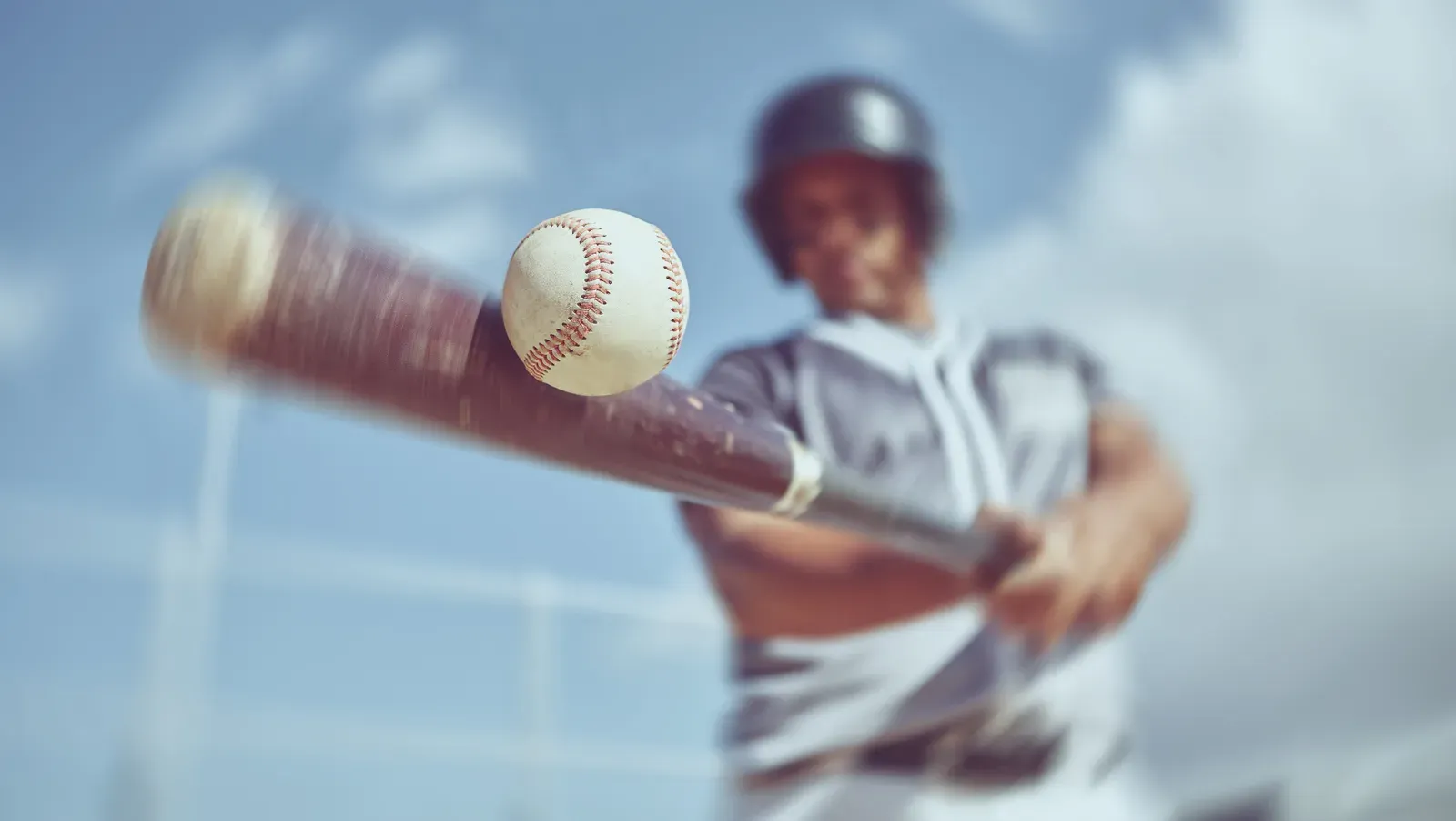
Baseball strength and conditioning is rotational power built on leg drive, sprint speed, and an upper body trained for balance rather than beach-day pressing, with every programming decision made arm-aware. The swing and the throw are the same physical event, force flowing from the ground through the hips and trunk into a fast arm, and the weight room is where that chain gets stronger. In Carmel, with Grand Park’s 26 diamonds just north in Westfield anchoring a travel ball scene that owns the summer, the constraint is never desire. It is the calendar.
The starting point is a free consultation with a free InBody body composition scan, so a coach sees the athlete’s actual baseline before writing the offseason.
Rotation is trained from the ground up
Bat speed and velocity are not arm qualities. They are ground-force qualities expressed through rotation, which is why a baseball block is built on squat and hinge strength, single-leg stability, and hip mobility, then converted through medicine ball throws, cable chops, and rotational patterns trained in both directions, because a one-sided sport needs a two-sided program. Trunk stiffness ties it together: a torso that does not leak force delivers what the legs produce. The same ground-up rotational logic powers every swinging sport, which is why it echoes through our guide to adding driving distance after 50; the physics do not care which club is in your hands.
Sprint work belongs in the plan too. Baseball is short maximal bursts, first steps, stolen bases, balls in the gap, and short sprint training is among the most transferable work a position player can do.
Arm-care-aware is a programming stance
A baseball program earns the phrase arm-aware in what it refuses to do as much as what it includes. Upper-body work leans hard toward pulling: rows, upper-back volume, scapular control, and rotator cuff work, with pressing programmed judiciously rather than maximally. The coach tracks the athlete’s throwing calendar and trims gym stress when mound volume spikes. And the boundary is bright: coaches are not clinicians, throwing programs belong to pitching instructors, and an arm that hurts goes to a physician or physical therapist before anything else happens. Good training runs alongside that clinical guidance, never around it.
The travel ball calendar decides the plan
Here is the honest scheduling math for Hamilton County families: from spring school ball through summer travel, games own the week, and training survives as one or two short maintenance sessions, the in-season logic covered in in-season versus offseason training. The building happens September through February, when Indiana’s cold months close the diamonds and open the calendar. Sessions at FlexWerk run one-on-one in a reserved private suite at Carmel City Center, lifting rack, cable system, and dumbbells, with a parent welcome in the room and hours that flex around school: 5 AM to 9 PM weekdays, 7 AM to 4 PM weekends, at 885 Monon Green Blvd with garage parking a short walk away. FlexConnect matches your athlete with one of the more than 40 independent professionals here, so ask specifically for baseball or rotational-sport experience.
If your player’s offseason usually disappears between seasons, book the free consultation and put a coach in charge of the window that actually builds ballplayers.
Related questions
When is the right training window for a travel ball player?
September through February. Once spring school ball rolls into summer travel, games eat every week and training drops to short maintenance sessions. The athletes who improve are the ones who treat fall and winter as the season for building.
Does lifting hurt a young pitcher's arm?
Properly programmed strength work supports the arm; it builds the legs, trunk, and upper back that share the workload. What stresses arms is throwing volume, and any arm pain belongs with a physician before any program continues.
Can strength training add bat speed and throwing velocity?
It builds the inputs: rotational power, leg drive, and trunk stiffness are what swings and throws are made of. No honest coach promises a number on the radar gun, but untrained athletes usually have the most headroom.