
Personal Trainer for Diabetics in Carmel: Why Muscle Belongs in Your Care Plan
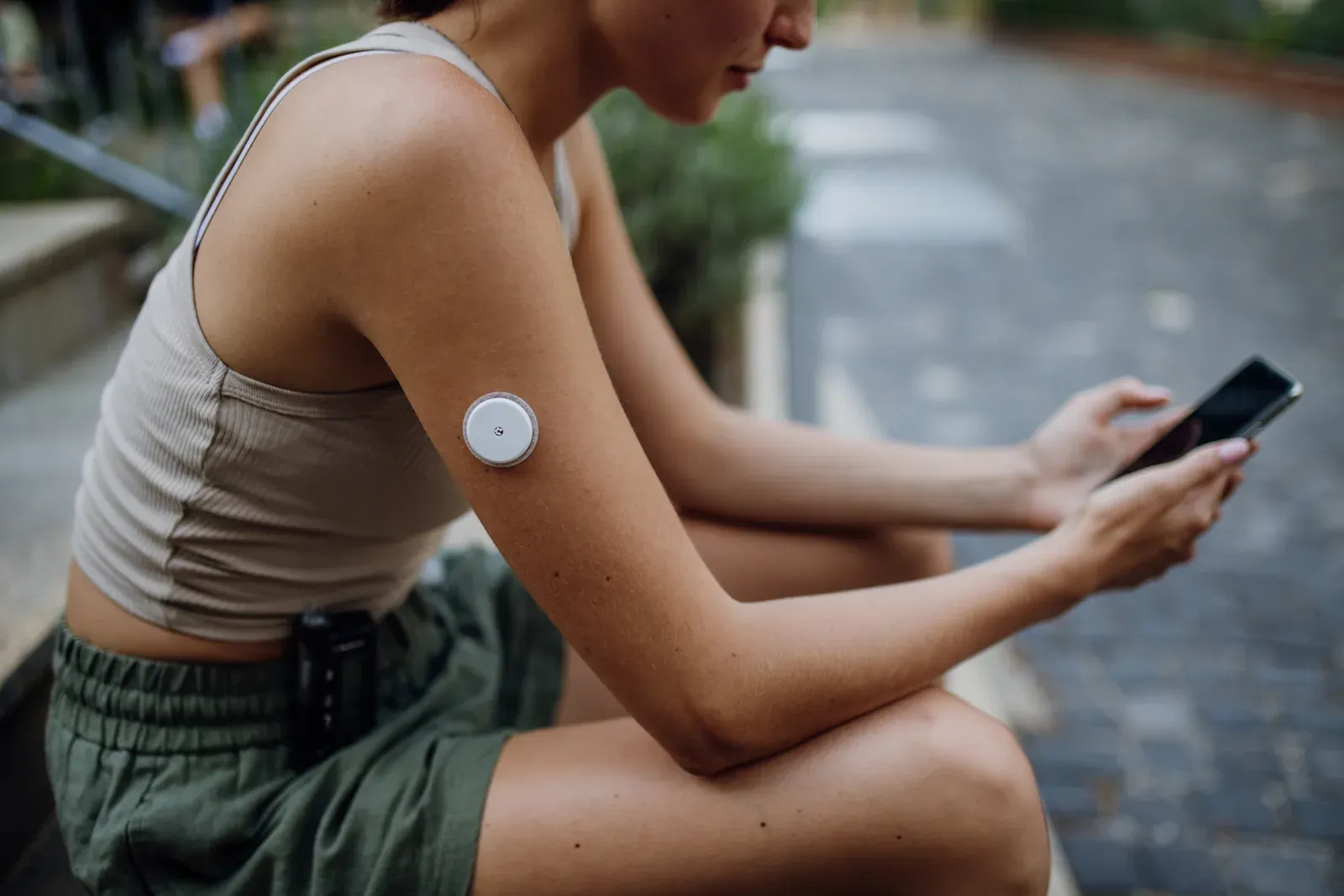
If you are managing diabetes, strength training is one of the most useful habits you can build and one of the most commonly skipped. A personal trainer for diabetics in Carmel does not manage your medication, your targets, or your treatment, your physician does that. What a coach builds is muscle, consistency, and daily habits, the pieces of the plan that only happen between appointments. In Carmel, the partnership starts with a free consultation and a body composition baseline, not a hard sell. Here is how it works.
Why muscle matters when you manage diabetes
Muscle is one of the body’s largest destinations for the glucose you eat, which is why exercise guidance for diabetes so consistently includes resistance training alongside walking. More trained muscle, working regularly, gives glucose somewhere productive to go. The mechanism and the honest caveats get a fuller treatment in does lifting lower blood sugar, but the practical version is simple: a body that strength trains two or three times a week is doing quiet metabolic work that no amount of good intentions replaces.
None of that is a treatment claim. Training belongs inside the plan your clinical team runs, not instead of it, and the numbers that matter medically, your labs and your glucose data, stay between you and your physician. What a coach owns is the part your physician cannot do for you: making the sessions actually happen, week after week, at a difficulty that keeps helping.
The ground rules a good coach follows
Diabetes-aware coaching is defined by its boundaries, and you should hear them stated plainly before you hire anyone:
- Clearance comes first. Your physician confirms that a strength program is appropriate for you and flags anything to avoid. That guidance shapes the program from day one.
- Medication is untouchable. A trainer never suggests changing doses, timing, or anything else prescribed. Questions in that lane go straight back to your care team.
- You brief the coach on lows. How you recognize low blood sugar, what you keep on hand, and what your care team has told you to do about exercise timing. A coach cannot respect a plan they have not heard.
- Sessions adapt to your day. Energy swings are real. A good coach reads the day and adjusts load and pace rather than forcing the plan through.
- Food talk stays in coach scope. Habits and food-as-fuel basics, yes. Medical nutrition advice, no; that belongs to your physician or dietitian. Our nutrition coaching overview draws that line in detail.
At FlexWerk in Carmel City Center, this whole conversation happens at the free consultation, which includes a free InBody body composition scan. That scan matters more than usual here, because muscle mass is a number worth watching when glucose management is the goal, and the periodic rescans show it moving long before the mirror does.
What a coached program looks like
The template is unglamorous and effective: two to three strength sessions a week built on squat, hinge, push, and pull patterns, loads that rise in small steps, and easy walking or low-impact cardio layered between sessions. If you were recently diagnosed and the doctor’s parting words were “get some exercise,” this is what those words were pointing at, and our guide on what to do when your doctor says exercise fills in the first-month picture. If prediabetes is your actual situation, the earlier-stage version of this page lives at personal trainer for prediabetes.
At FlexWerk the program runs inside the phased 30/60/90 system: Reset to build the habit and baseline, Build to add strength and shift body composition, Refine to tighten the details. Placement happens at the consultation, and the programs page explains the phases. What the system really sells is sequencing: the habit is built before the intensity arrives, which is exactly the order a body managing diabetes tends to appreciate.
Consistency, the Carmel version
Every session happens one on one in a private reserved room, which solves a problem nobody advertises: plenty of people managing a condition simply do not want to discuss it, or manage it, on a crowded gym floor. Behind a closed door you can check what you need to check, eat what you need to eat, and rest as long as your day requires, with a coach whose attention never leaves you. FlexConnect matches you with one of the more than 40 independent professionals at Carmel City Center based on goals, schedule, and personality, and experience with clients managing diabetes is a fair thing to ask for in that match. These are working professionals who average about 24 sessions a week; coaching around real lives, including medical ones, is what they do all day.
The logistics carry the rest. Hours run 5 AM to 9 PM on weekdays and 7 AM to 4 PM on weekends, which fits both the early-shift and after-work crowds; the building sits at 885 Monon Green Blvd with garage parking a short walk away; and the Monon Trail is steps from the door when your between-session walking needs a route. In a county where the average commute runs about 26 minutes, a training location stapled to a place you already go is not a luxury, it is the reason the plan survives.
If your care team has been asking for more exercise and you have been meaning to start, bring their guidance to the free consultation and let a coach turn “more exercise” into a plan with your name on it.
Related questions
Can a personal trainer help manage my diabetes?
A trainer supports the exercise piece of the plan your physician manages. Coaches never adjust medication, set glucose targets, or give medical advice; they build the strength and consistency that make your care team's plan easier to live.
Is strength training safe with diabetes?
For most people yes, but that is your physician's call, not a trainer's. Get clearance first, share your care team's guidance with your coach, and tell them how you recognize and handle low blood sugar so sessions stay safe.
Do I have to be fit to start?
No. Programs start from wherever you are, including from nothing. The first session is a conversation and a body composition baseline, not a test you can fail.