
A Personal Trainer After Cardiac Rehab in Carmel: The Graduation Plan
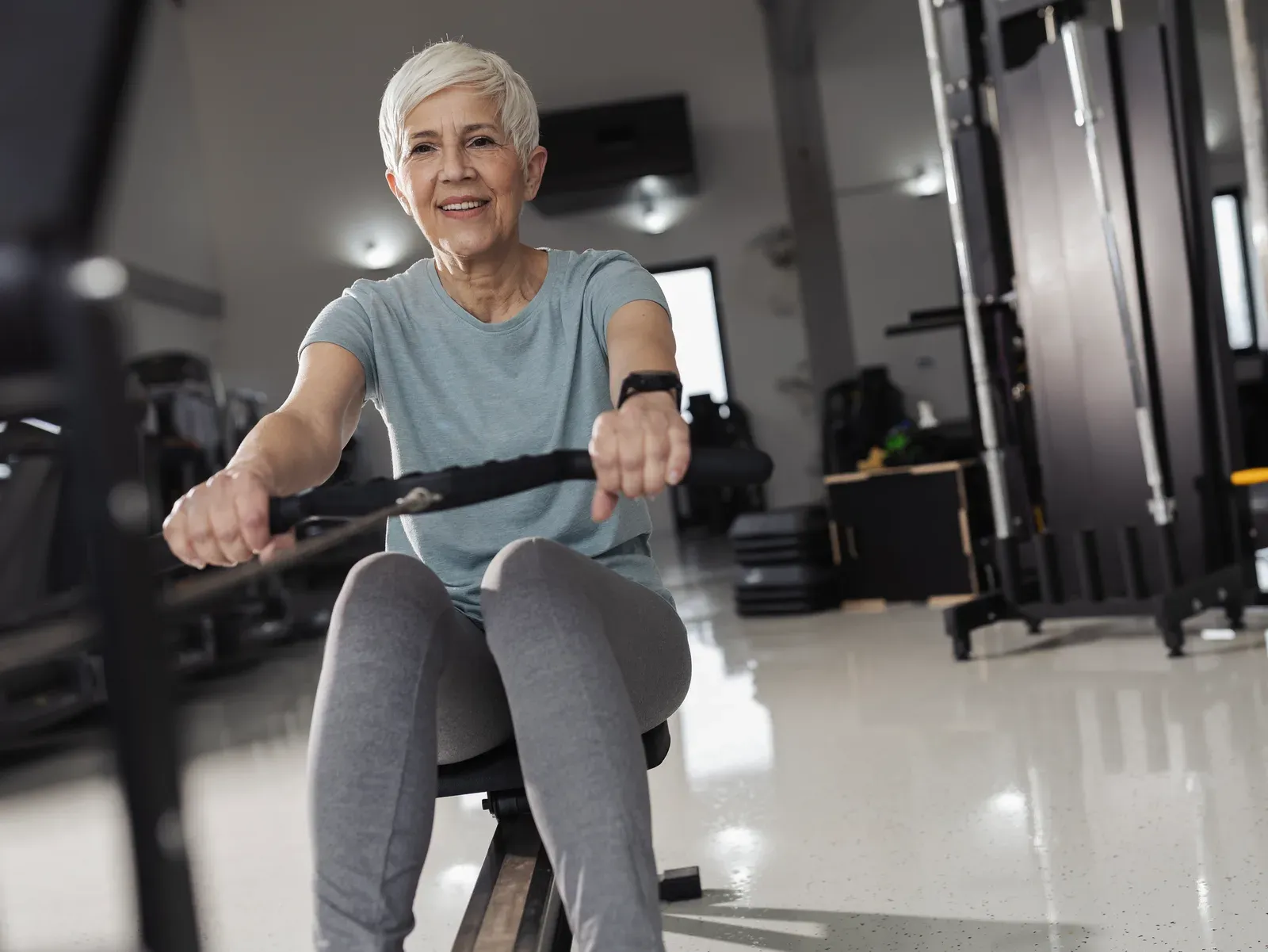
Finishing cardiac rehab is a graduation, not a finish line, and the weeks right after it are where a lot of good habits quietly dissolve. The right personal trainer after cardiac rehab in Carmel does one job: continue the supervised exercise habit your rehab team built, inside the limits your cardiology team sets, without ever drifting into medical territory. Before any of it, one step is not optional: ask your cardiologist and your rehab team whether coached exercise is appropriate for you now, and what your limits are. Their answer is the program’s foundation.
The gap nobody warns you about
Cardiac rehab hands you structure: scheduled sessions, professional supervision, and steady encouragement. Then it ends, and the structure ends with it. What most people miss is not knowledge, it is the appointment. Without a set time, a set place, and a person expecting you, exercise slides from routine to intention to memory, often within a month or two.
A personal trainer is not a clinician and should never pretend to be one. What a trainer restores is the structure: a standing appointment, a plan that progresses gradually, and someone accountable for making the habit continue. That framing matters, because the honest pitch here is continuity, not treatment. In Carmel, the practical first step is a free consultation at FlexWerk in Carmel City Center, where your clearance paperwork, your rehab team’s guidance, and a free InBody body composition baseline all land on the table before anyone plans a single workout. And if you want the fuller picture of how coaching fits when a doctor has told you to stay active, our guide to what to do when your doctor says exercise walks through it.
Questions for your cardiology team before you start
Bring these to the appointment where you discuss life after rehab, and bring the answers to your coach in writing:
- Is coached, non-medical exercise appropriate for me now?
- What intensity guidance should I follow, and how should I monitor it?
- Are any movements, positions, or exertion levels off the table?
- What symptoms mean stop, and what should I do if they appear?
- When do you want to see me again to review how it is going?
A coach worth hiring will ask to see those answers before programming anything, and will treat them as fixed boundaries rather than suggestions. If a trainer waves off the paperwork or promises to “push past” what your clinical team advised, keep looking.
What clearance-respecting sessions look like
Expect the opposite of a boot camp. Post-rehab coached training is deliberately unglamorous:
- Long, honest warm-ups and gradual ramps into work, never cold starts.
- Conversational-pace cardio within whatever guidance your team provided, using effort scales your coach teaches you to read.
- Patient strength basics. Sit-to-stand patterns, supported presses and rows, carries, and light progressive loading, because everyday life keeps asking for strength whether or not the heart chapter happened.
- Generous rest and zero ego. Sessions end early any time something feels off, and “off” is always a conversation for your physician, not your coach.
Progress is measured in consistency first: weeks attended, habits held, loads inching upward on your team’s terms. If blood pressure is part of your story as well, our answer on training with high blood pressure covers how coaches approach that conversation, with the same physician-first rule.
Why a private room fits this chapter
Big open gyms are built for people chasing intensity, and the atmosphere pushes everyone toward it. That is precisely the wrong pressure after cardiac rehab. At FlexWerk, every session runs in a private reserved room with your coach, your music, and nobody else: no class tempo to match, no crowd to keep up with, no strangers watching you take a long rest because a long rest is the plan. The cardio suites hold rowers, a climbing machine, and curved treadmills, all used at whatever effort your clearance allows, and the room is yours for the full hour.
The setting protects the habit through an Indiana calendar, too. January highs around 33 degrees and roughly 22 inches of snow a year make outdoor walking unreliable for months, while summer arrives humid and in the upper 80s and 90s. An indoor standing appointment survives both. When the weather does cooperate, the Monon Trail runs steps from the front door at 885 Monon Green Blvd, an easy place to add the extra walking your clinical team likely encourages.
Starting in Carmel, carefully
The sequence is simple. Get your cardiology team’s written answer on whether coached exercise is appropriate and what the limits are. Then book the free consultation, bring the paperwork, and let FlexConnect, the coach-matching service, pair you with one of the more than 40 independent professionals working at Carmel City Center. Experience with post-rehab clients is exactly the kind of thing to ask for in the matching conversation, and the hours, 5 AM to 9 PM on weekdays and 7 AM to 4 PM on weekends, make it realistic to anchor sessions to your week rather than squeeze them in. If a stroke rather than a cardiac event is the chapter behind you, the same handoff logic applies and our guide to fitness training after a stroke covers it.
Rehab taught you the habit. Ask your clinical team whether coached exercise is the right way to keep it, and if they say yes, bring their guidance to the consultation and keep the streak alive.
Related questions
Can a personal trainer replace cardiac rehab?
No. Cardiac rehab is a medically supervised program, and a trainer is not a substitute for any part of it. Coached training is something to discuss with your cardiology team only after rehab is complete, as a way to continue the exercise habit inside the limits they set.
What clearance do I need before hiring a trainer?
Ask your cardiology team directly whether coached exercise is appropriate for you now, what intensity guidance applies, and whether anything is off the table. Get it in writing and share it with your coach before the first session.
What happens if I feel unwell during a session?
The session ends, full stop. A trainer never interprets symptoms; anything unusual, such as chest discomfort, unexpected breathlessness, or dizziness, is a reason to stop and contact your physician. A good coach builds that rule in from day one.