
Boat Season Fitness for Geist and Morse
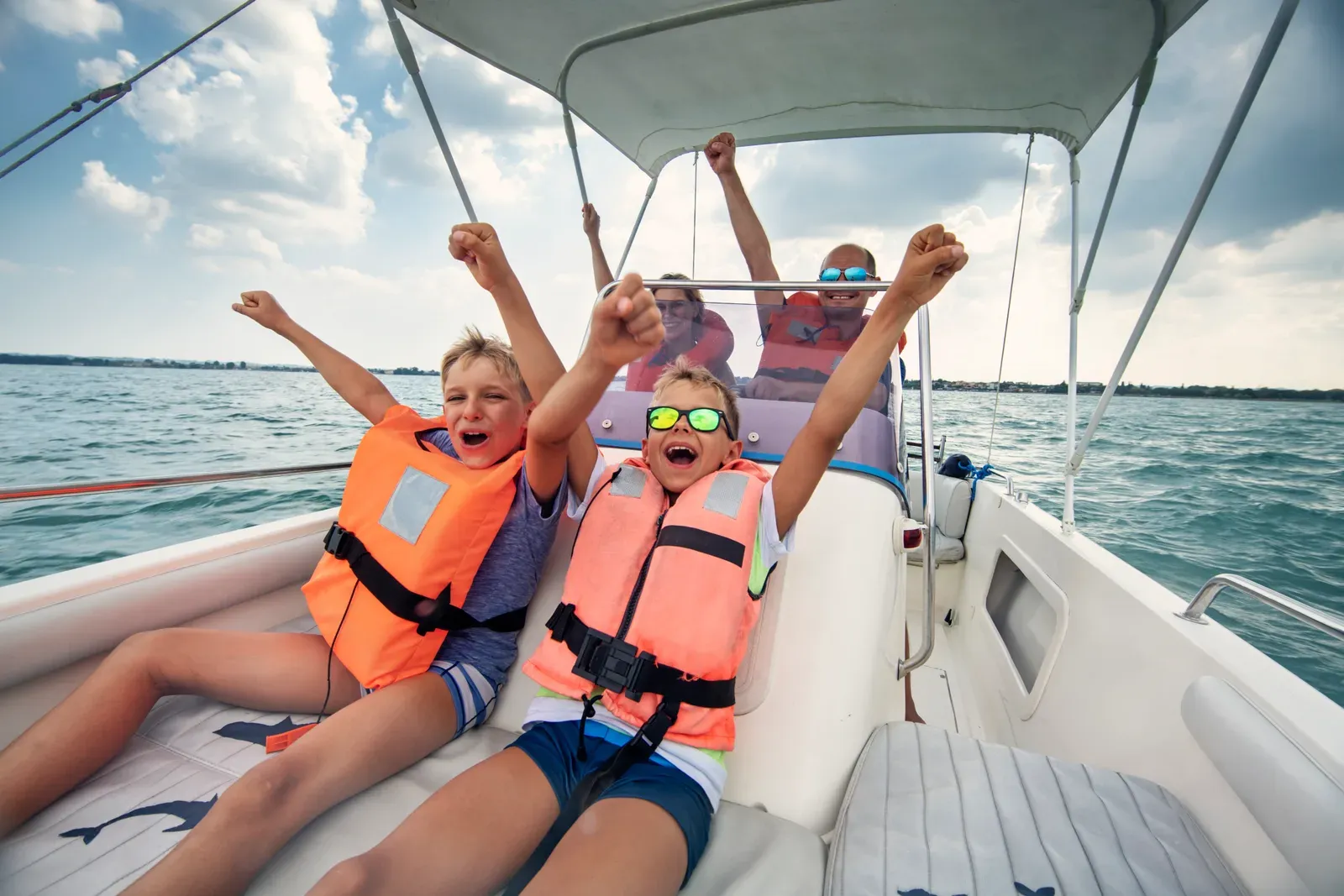
Boat season fitness comes down to a shorter list than most people expect: balance steady enough to step from a dock onto a moving deck, knees that tolerate crouching and shifting weight for hours, and grip and shoulder strength for hauling lines, coolers, and anchors, and around Geist Reservoir and Morse Reservoir, the season stretches long enough that getting this right matters, which is exactly what a free consultation and a season of targeted strength work can build before the first weekend out. None of it requires a boat specific workout. It requires training the qualities boats quietly demand and rarely announce until someone slips.
Why getting in and out is the real test
The moment most boat injuries happen is not underway, it is the transition: stepping from a dock onto a rocking deck, climbing back aboard from the water, or moving around a boat that is not holding still. That is a balance problem wearing a boating costume, and it responds directly to the same training that improves balance anywhere else, single leg strength, controlled weight shifts, and a trunk that reacts quickly when the ground under you moves. Geist Reservoir’s roughly 1,900 acres and Morse Reservoir’s roughly 1,500 acres with 35 miles of shoreline both mean plenty of dock time each season, and dock time is where this actually gets tested.
What a season of crouching does to your knees
A day on the water spends hours in a half crouch you would never choose in a gym: bracing against gentle rocking, shifting weight to keep balance, standing without a fixed surface underfoot. Knees that lack strength through that partial range feel it by afternoon, an ache that shows up as the day wears on rather than a single sharp moment. Squat and split squat strength trained through a controlled range builds tolerance for exactly that demand, and a coach can bias the work toward the partial ranges a boat actually asks for rather than only training a full depth squat.
Grip and shoulder strength nobody plans for
Hauling in a line, cranking an anchor, lifting a cooler from the dock to the deck, none of it looks like training, and all of it adds up across a season. Grip endurance and shoulder stability are the quiet foundation here, the same qualities that show up in grip strength as a longevity marker, and they respond to simple, deliberate carries and pulling work over a matter of weeks.
Getting back aboard from the water
Climbing a boat ladder after swimming is a pulling movement under fatigue, arms and shoulders lifting body weight while legs have little to push against, and it surprises people who have not trained vertical pulling in years. A body practiced at pulling itself up under some fatigue handles the real version with far more margin than a body trying a completely novel movement for the first time mid lake. Rows, presses, and even short bodyweight pulling work in a private suite session build the specific strength this moment asks for, well before anyone tests it in open water.
The heat adds its own strain
Central Indiana’s summer humidity pushes regularly into the upper 80s and 90s, and a full day on open water, sun overhead, little shade, and constant low level exertion from balance and bracing, taxes the cardiovascular system more than most boaters expect from what feels like a relaxed afternoon. General cardiovascular conditioning built through the spring makes that heat load easier to tolerate, the same adaptation that helps with any hot weather activity in an Indiana summer, and a body that already handles sustained effort in the heat spends less of the day fighting fatigue and more of it actually enjoying the water.
Building the base before the season opens
The training itself is straightforward and fits into a normal coached hour: single leg strength and balance work, squats trained through a controlled partial range, and carries and pulling work for grip and shoulders. Starting before Geist and Morse fill up with boat traffic each spring means the strength is already there by the first warm weekend, rather than being built reactively after a wobble on the dock scares you into it. A coached hour starts with a baseline InBody scan, so the plan is built around where your balance and strength actually stand today, not a guess. Anyone who spends fall in a tree stand or a spring weekend on yardwork is training overlapping balance and carrying qualities, one more reason consistent off season strength work outlasts any single season it was built for.
Boat season rewards steady footing and quiet strength more than it rewards anything you would call athletic. Build both before the first weekend on Geist or Morse, and the water stops being where your body gets tested unexpectedly.
What a coached session actually trains
A private suite session built around this goal is short on gimmicks and long on the specific patterns that matter: single leg squats and step ups for the partial range knees actually work through, controlled balance drills that mimic an unstable surface without needing an actual dock, and carries and pulling work sized to match a full day of gear and lines rather than a single heavy lift. A coach who understands the goal programs the exact ranges and demands boat season asks for, rather than handing over a generic strength template and hoping it transfers. A season built this deliberately shows up as confidence on the very first weekend out, not as an ache discovered halfway through it.
Related questions
Do I need to be athletic to benefit from boat season training?
No. The qualities that matter, balance, partial range knee strength, and grip and pulling endurance, respond to simple, consistent training regardless of your starting point. Most people notice steadier footing within a few weeks.
Why do my knees ache after a day on the boat but not from a normal workout?
A boat asks knees to hold a partial crouch and shift weight without a stable surface, a range most gym routines skip entirely. Training squats and split squats through that same controlled range closes the gap directly.
Is this training different for Geist versus Morse?
Not meaningfully. Both reservoirs mean regular dock access and time aboard, so the same balance, knee, and pulling strength applies whichever one you spend your season on.