
Why Is Grip Strength Linked to Longevity?
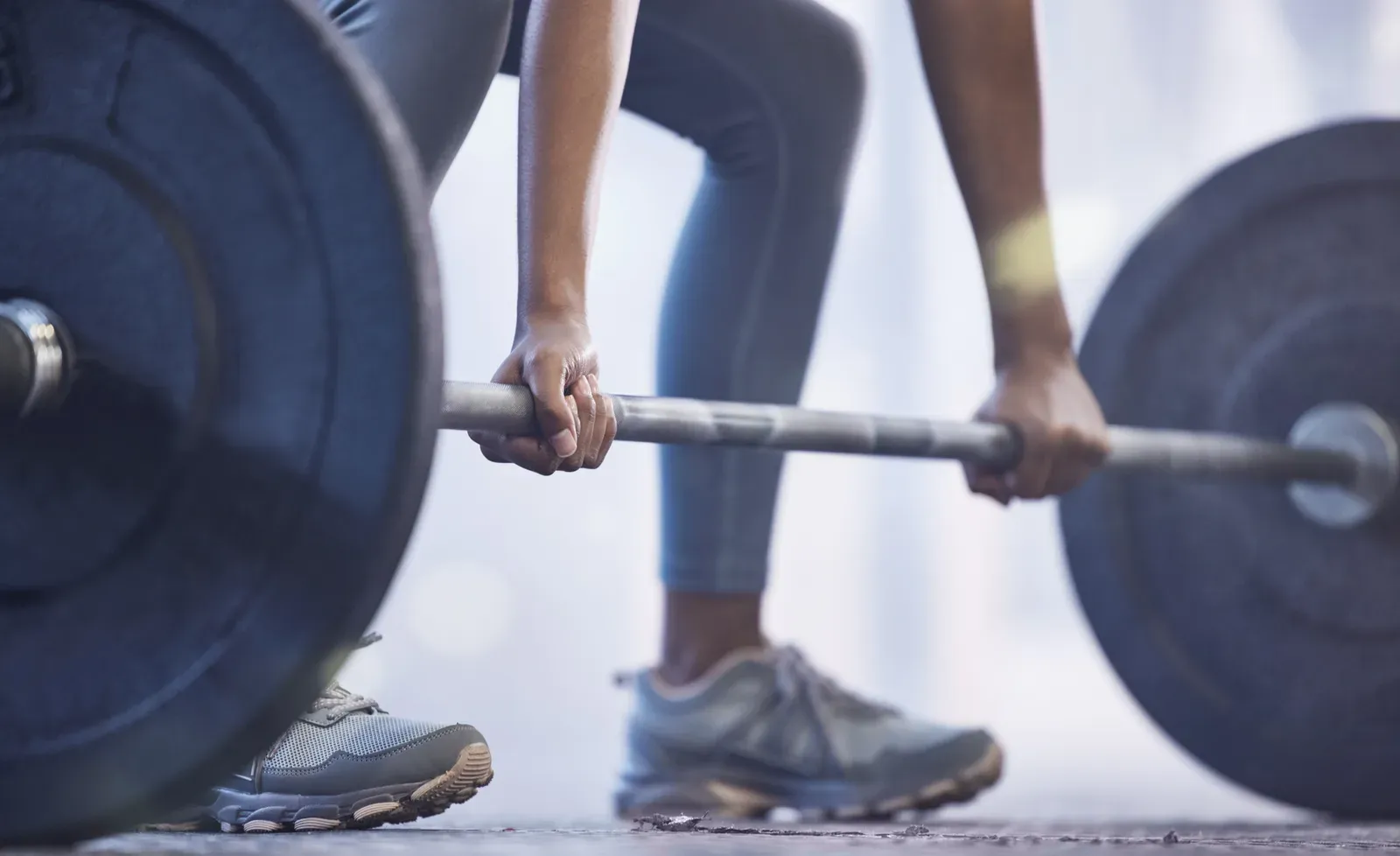
Grip strength keeps appearing in large studies as one of the strongest simple predictors of long-term health because it is a proxy: a weak grip usually belongs to a weaker body, and total-body strength and muscle mass are what actually drive the association. Your hands are not magic. They are just the cheapest honest window researchers have found into how much strength you are carrying around.
Why researchers keep finding this
Because grip is the measurement that scales. Squeezing a handheld dynamometer takes thirty seconds, costs almost nothing, and works identically in any clinic on earth, so it shows up in enormous international studies that follow hundreds of thousands of people for years. Across that literature, per the large cohort research in this area, lower grip strength consistently tracks with higher risks of cardiovascular disease, disability, and earlier death, and the relationship holds across countries and ages.
Read properly, that is not a claim about hands. Grip correlates tightly with overall strength and muscle mass, which is what the studies are really seeing: strong-gripped people are, overwhelmingly, just strong people, and strength is the thing doing the protective work. The convenience explains the fame: grip did not earn its headlines by being the most important muscle group in the body, but by being the easiest honest one to measure at scale. None of that makes grip a gimmick; it makes it a vital sign of the strength system, best treated the way you treat blood pressure: informative, actionable, and pointless to argue with. Muscle is metabolic infrastructure, fall insurance, and recovery reserve for whatever health events the decades bring.
Marker, not mechanism
The practical mistake to avoid: optimizing the test instead of the trait. Buying a gripper and squeezing it during meetings will raise your dynamometer score and change essentially nothing about the underlying risk picture, the same way warming a thermometer does not cure a fever. Screens are only useful when you respond to the thing they screen for.
The thing they screen for is total-body strength, and that responds to the unglamorous classics: progressive lifting, a couple of times a week, for months and years. If your grip, or your ability to open jars, carry luggage, or hold a squirming grandchild, has been quietly declining, treat it as an early memo about overall strength, and answer the memo with a program. A free consultation with an InBody muscle-mass baseline is a fifteen-minute way to see exactly what the memo is about.
How to actually train it
Train the body; the grip comes along. The lifts that build meaningful grip are the same ones that build everything else, which is the tidy part of this whole story:
- Deadlift variations. Nothing trains hands like holding progressively heavier bars, and nothing trains the hinge pattern life keeps testing like a deadlift.
- Rows and pull variations. Every pulling rep is grip work in disguise.
- Loaded carries. Farmer carries are the single most life-shaped exercise there is; anyone who has hauled a loaded cooler and two folding chairs across Grand Park’s 400 acres in Westfield for a Saturday of youth games has already done the sport version.
- Dead hangs. A simple hang from a bar doubles as a grip test and a shoulder-friendly finisher, and progress on it is easy to feel month over month.
Coached, this fits inside two normal strength sessions a week; nobody needs a separate forearm day. In a private FlexWerk suite the learning curve happens off-stage, with a rack, cables, and dumbbells and one coach watching your form instead of a gym floor watching you.
Progression follows the same logic as everything else in strength: a little more weight or a few more steps than last month, repeated for seasons. Grip is famously responsive to this kind of patient loading because hands and forearms get asked to work in every session; most lifters watch their carry distances and hang times climb for a year straight without ever training grip directly. If wrists or hands are arthritic, straps and neutral grips keep the training honest while your physician’s guidance sets the limits.
When weak grip is a medical flag, and what to do this month
Trends are training questions; sudden changes are medical ones. If grip or hand function drops quickly, on one side, or alongside numbness or coordination changes, see your physician promptly rather than a trainer, and let them rule out the non-fitness causes first. The same order applies for anyone managing arthritis or recent hand or wrist injuries: physician guidance first, then a program built inside it.
For everyone else, the sensible response to the grip-longevity headlines is not anxiety or a gadget purchase; it is a strength program you actually keep, started from a real baseline. For adult children watching a parent’s jar-lid battles, it is also a genuinely useful conversation starter: strength at 70 and beyond remains buildable, and that case is made honestly in too late to build muscle at 70. Grip is one of several quick screens worth knowing about, and the one-leg balance test is its equally famous sibling; both fold into the bigger three-pillar picture in training for your 80s, which is where the real longevity work lives.
If the jar-lid moments have started arriving, take them as the early, fixable signal they are and book the consultation; stronger hands will be the least of what comes back.
Related questions
Does training my grip directly make me live longer?
No. Grip predicts outcomes because it reflects total-body strength and muscle mass; squeezing a gripper all day games the marker without moving the cause. Train the whole body and grip improves as a side effect.
What is a quick way to gauge my grip at home?
Carrying tests are honest: how long you can walk holding a heavy pair of dumbbells, or how long you can dead-hang from a bar. A coach can baseline both in a single session.
When is weak grip a medical question?
A sudden, one-sided, or fast-changing drop in grip or hand function deserves a prompt physician visit. The training conversation comes after that is ruled out.