
Golf Fitness Training in Carmel: Build a Faster Swing
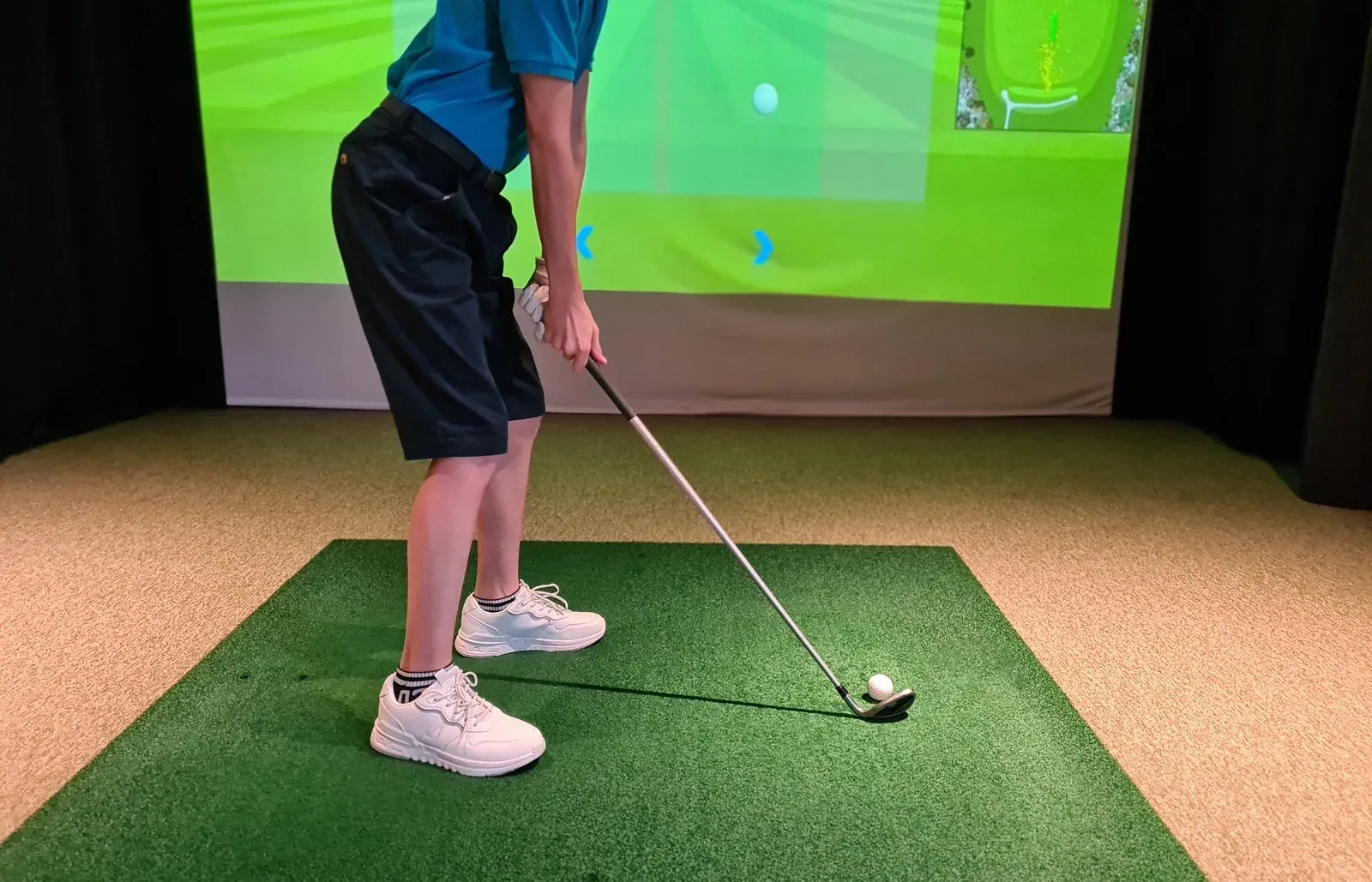
Carmel takes its golf seriously. Crooked Stick, the Pete Dye design that hosted the 1991 PGA Championship, sits just up the road, Woodland Country Club and Prairie View fill their tee sheets from April to October, and indoor simulators at X-Golf Carmel and The Back Nine keep swings alive all winter. If you want a faster swing, the answer usually is not another lesson: golf fitness training builds the strength, mobility, and rotational power that set the ceiling on your clubhead speed, and no swing thought can add speed your body cannot produce.
Here is what that training actually involves, and how it works when you do it one on one in a private suite at Carmel City Center.
What actually makes a swing faster
Clubhead speed comes from three physical inputs: how much force you can produce, how much range of motion you can produce it through, and how well you sequence it from the ground up. Lessons refine the third input. The first two are built in the gym, and for most amateur golfers over 35 they are the limiting factor.
That is why two players with similar mechanics can be 20 yards apart off the tee. The longer hitter is usually stronger through the hips and trunk and rotates through a fuller turn. It is also why distance tends to fade through the 40s and 50s: muscle and rotation quietly decline when nothing in your week trains them. The good news is that both respond quickly to structured work, at any age.
There is a durability dividend too. The same strength that adds speed helps your lower back and lead hip tolerate a season of high speed rotation, and while no program can prevent injury outright, a stronger and more mobile body typically handles 36-hole weekends far better than an untrained one does.
The four qualities every golfer should train
A good golf fitness program is simpler than the gadgets suggest. It targets four things:
- Lower body strength. The swing starts from the ground. Squats, split squats, and hinge patterns build the leg and hip drive that powers everything above it.
- Rotational power. Cable chops, rotational presses, and explosive medicine ball style throws teach your trunk to deliver force fast, in the same pattern the swing uses.
- Hip and upper back mobility. Most desk-bound golfers lose backswing turn to stiff hips and a locked-up thoracic spine. Restoring that range often adds speed before strength changes at all.
- Trunk control. Anti-rotation core work protects your lower back from the hundreds of high speed rotations a season demands and gives your power somewhere stable to come from.
Notice what is missing: endless crunches, balance-board circus tricks, and swinging weighted clubs until your mechanics fall apart. Precision beats novelty.
How golf fitness training works at FlexWerk
At FlexWerk, golf fitness starts the way every program does: with a free consultation that includes a free InBody body composition scan, a conversation about your game, your schedule, and any old injuries, and a plan built around all three. From there you train one on one with your coach in a private suite, with a lifting rack, cable system, and dumbbells in a room that is yours for the hour. No waiting for equipment mid-superset, no audience while you groove a new movement pattern.
That privacy matters more for golfers than most people expect. Rotational training looks awkward before it looks athletic, and learning it under the eyes of a crowded gym floor is where most golfers quietly quit. A private room removes that failure mode. If your main goal is distance specifically, the details are covered in how to add driving distance after 50, and the same principles apply at 35.
Sessions are typically twice a week, which leaves plenty of room for range time and rounds. Your coach programs around your golf calendar, heavier in the cold months, lighter and faster as the season opens.
Pair the gym with your practice
Training and practice compound each other, and Carmel makes both easy to schedule. In season, Prairie View’s renovation added a lighted range in early 2025, so you can hit balls after work while your new speed is fresh. Out of season, the simulators at X-Golf in Clay Terrace or The Back Nine give you launch monitor numbers, which are the honest scoreboard for a speed program: watch ball speed and carry distance trend up across a winter of training.
A simple rhythm that works for busy professionals: two gym sessions and one practice session a week. With Carmel commutes averaging around 26 minutes and a large share of Hamilton County now working from home, most golfers can find those three hours without touching family time. Early mornings work too. FlexWerk opens at 5 AM on weekdays.
When to start
The best answer is now, whatever the calendar says. If it is winter, you have the ideal uninterrupted block to build strength before April, and the full plan for that is in the golf offseason workout guide for Indiana. If it is mid-season, you start lighter, twice a week, and arrive at fall with speed most players wait until January to chase. What does not work is waiting for a convenient season that never comes.
One honest caveat: if you have significant back, hip, or shoulder problems, talk with your physician before beginning any rotational power work. A good coach will train around a cleared issue, not through an undiagnosed one.
If you would rather stop guessing at swing tips and start building the body that hits it farther, book the free consultation and bring your goals for next season.
Related questions
Will strength training make my swing stiff?
No. A golf-aware program trains mobility alongside strength, so your rotation range typically improves rather than shrinks. Stiffness comes from sitting at a desk all week, not from coached lifting.
How many gym sessions a week does a golfer need?
Two focused sessions a week is the common sweet spot: enough to build strength and speed, light enough to leave you fresh for rounds and range work.
Do I need to be in shape before starting golf fitness training?
No. The free consultation and InBody baseline exist so your coach can build from your actual starting point, whether you play to a 5 or a 25.